Former warlord blames UK for breakdown in security
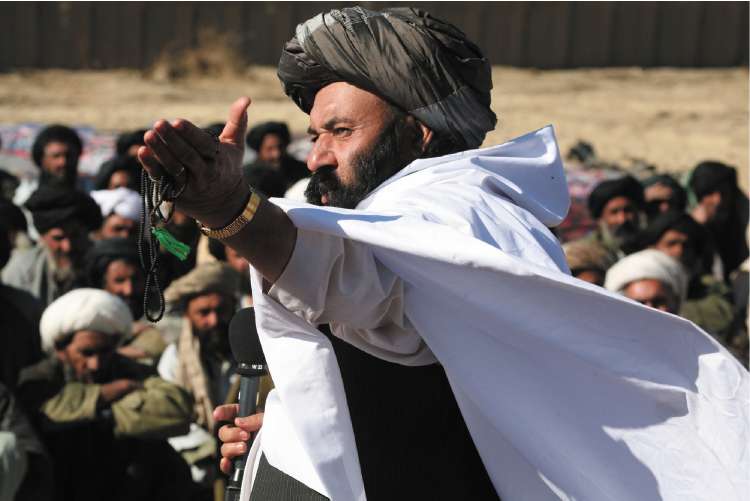
A former Taliban commander who swapped sides last year has accused his British allies of jeopardising security and undermining his authority in a row that has plunged their relations to an all time low.
Mullah Salam was made governor of Musa Qala, Helmand, after British, American and Afghan forces retook the town in December. His defection was the catalyst for the operation. But the British fear his warlord ways are hampering their efforts to win over local people, and driving them back into the hands of the insurgents. They have branded him a "James Bond baddie" and accused him of running a personal militia of ex-Taliban thugs, while doing nothing to support reconstruction.
Mullah Salam says British soldiers are wrecking his attempts to bring security by releasing people he arrests and underfunding his war chest – which he claims is for buying off insurgent commanders.
The British, with hundreds of troops at the 5 Scots headquarters inside Musa Qala and more in nearby outposts, suspect he is on the take. The top British diplomat at the headquarters, Dr Richard Jones, said: "He likes to feather his own nest."
Both groups know his fate is being closely watched by other Taliban commanders thinking about changing sides.
Lieutenant-Colonel Ed Freely, who commands the Royal Irish troops training Afghanistan's army, said: "He appears less interested in governing his people than reinforcing his own personal position of power."
Musa Qala was the jewel in the Taliban crown. It was retaken by the Taliban after British forces withdrew under a controversial deal to hand it back to local elders in 2006. Lieutenant-Colonel David Richmond, who shares his headquarters with Salam's compound inside the town, said: "He was the man for the moment, but his concept of governance is very different from ours. Very often he says the wrong thing and does the wrong thing, but he is the only governor we've got."
The British believe he taxed his own villagers more than a ton of opium at the end of the poppy harvest. They also suspect his militia of stealing land, money and motorbikes, and beating people who can't pay. Mullah Salam denies the allegations.
"If I see anyone in my militia doing these things I will shoot him," he said, revealing his own brand of Taliban-style justice.
Suicide attacks: The Taliban's latest tactic
Suicide attacks have long been used as a murderous tactic in Iraq but they have only recently been used as a regular tool in the conflict in Afghanistan. After incurring heavy losses in the autumn of last year, the Taliban started to adopt the type of suicide bombing attacks prevalent in Iraq.
Figures published by the United Nations show there were a record 140 suicide bombings in Afghanistan last year – a 69 per cent increase over the same period last year. The Taliban concentration on suicide bombings followed a change of tactics by the British military to establish a presence on the Taliban's home ground to begin reconstruction projects. Despite the presence of more than 50,000 foreign troops in Afghanistan, some American officials believe that the country is replacing Iraq as the deadliest place in the "war on terror". More than 6,000 people – mostly militants – were killed last year, with the highest ever number of suicide attacks, including one at the Serena hotel in Kabul, the city's most prestigious hotel used by international VIPs.
Correspondents say the militants often target Afghan and international security forces as part of their effort to topple the pro-Western Afghan government. Gereshk, formerly a busy commercial centre, has become a particular target as shops and businesses have begun to reappear, with Taliban fighters launching attacks from outlying villages.
Join our commenting forum
Join thought-provoking conversations, follow other Independent readers and see their replies
Comments
Bookmark popover
Removed from bookmarks