Taste of democracy sends Burma's fragile economy into freefall
Burma has long been in the grip of a military inspired economic malaise. But any sense that the first year of its nominal new democracy would bring it relief has been dramatically disproven by a spiral of over-investment that has brought the country a new economic crisis unfolding in parallel to that gripping the West.
A presentation given to heads of industry and ministers by the President's chief economic adviser U Myint, which has been seen by The Independent, paints a grim picture of the Burmese economy's difficulties. The report, which speaks of "rampant corruption", details how foreign direct investment went from $300m in 2009-10 to a staggering $20bn in 2010-11 – more than a quarter of the country's GDP.
That may sound like a good thing, but it has disastrous consequences. The government briefing says this influx of capital, caused by a Chinese-led race for Burma's natural resources, has caused the local currency, the kyat, to soar by between 20 to 25 per cent. That makes it the best-performing currency in Asia and, where exporters would have previously received 1,000 kyat to the dollar, they now get closer to 750. The government, meanwhile, maintains an official exchange rate of about six kyat to the dollar.
The result of the dramatic rise in the value of the currency has been that exports have in a matter of months become unprofitable. Instead, agricultural goods have been dumped on the domestic market, forcing prices down and putting farmers in debt. With 70 per cent of the workforce in agriculture, that is a serious problem.
The country's nascent manufacturing sector, which should be profiting from steadily rising wages in China, has been axing much needed jobs in sectors such as garment-making, which still faces an export tax of 10 per cent.
U Myint's presentation notes that the export tax, unique to the Burmese economy, is there because "with no proper accounting system for business firms and rampant corruption both on the part of the business tax payer and the government tax collector, the normal way to collect commercial and income tax was impractical".
The government itself has also been blamed for the currency appreciation. As public assets have been rapidly privatised, the military and its cronies have been the big winners in sectors like the extraction of natural resources and construction. That sudden transformation meant that investors holding their money offshore swept back in, sending property prices rocketing.
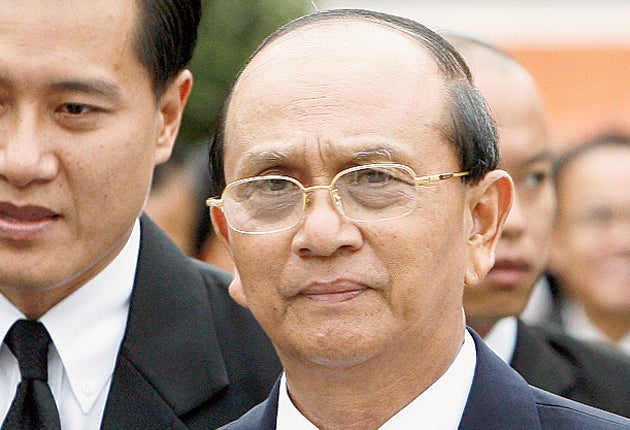
Even PresidentThein Sein appears to have heeded the warnings of U Myint. Speaking to an audience of economists last month, the President acknowledged Burma's economic problems. "Local demand for goods is falling," he said. "It has affected producers, especially farmers, who depend on exporting produce. Ways and means are being sought to ease the crises."
The government in Naypyidaw has spoken of reforming the meaningless official exchange rate, but economist Sean Turnell says that would be "problematic" because the disparity between the two helps the government make ends meet by applying whichever rate suits better.
The International Monetary Fund has been asked for its advice. But any help it could give is hampered by Burma's failure to pay back debts it owes to foreign financial institutions, barring it from receiving financial aid.
The effect any such aid would have on the general public is debatable. Most of Burma's revenues are said to go to the personal offshore accounts of senior officials or to purchase Mig 29 jet fighters. The country spends just 1.3 per cent of its revenues on public health.
Join our commenting forum
Join thought-provoking conversations, follow other Independent readers and see their replies
Comments