Under the cover of darkness, Nato troops draw Taliban into their trap
Kim Sengupta joins 'Operation Black Prince' targeting deadly insurgents in Helmand
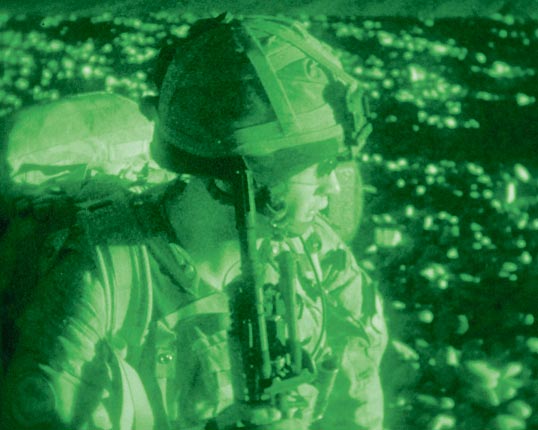
The first wave of air assaults began at 2.38am, the helicopters flying low and fast into the swaying poppy fields surrounding the dark silhouettes of the walled compounds. This was Operation Tor Shezada, designed to clear insurgent fighters who have been carrying out relentless attacks as the fighting season gets underway.
The four Chinooks ferrying in the troops, with Apache gunships providing cover, was part of the attempt to capture Saidabad, the last town held by the Taliban in central Helmand and a base from which they have been operating as they attack British, American and Afghan forces in Nad-e-Ali, Marjah and Helmand.
The mission comes at a time of intense international focus on Afghanistan with controversies ignited by the Wikileaks revelations and David Cameron's charge that Pakistan is continuing to support the Taliban and export terror.
The timing of the operation is critical, coming in the wake of the Kabul conference seen as the "last-chance saloon" for the international community to hammer out a solution to this increasingly bloody and costly war.
Tor Shezada – "Black Prince" in the Dari language – is the beginning of a series of campaigns through which Nato commanders are seeking to inflict a military defeat on the insurgency as politicians in the West clamour for troops to be pulled out and the Afghan President Hamid Karzai edges towards a settlement with the insurgents which is bitterly opposed by the minority non-Pashtun communities in his country.
The operation had begun with US Marines moving up from Marjah and then withdrawing in a feint, to draw out some of the 200 fighters from the well-guarded enclave. This, it was hoped by the Nato commanders, would distract the enemy as the main assault by British troops came from Nad-e-Ali in the north.
Hundreds of troops from Combined Force Nad-e-Ali began the move after a 48-hour delay due to the weather. The Brigade Reconnaissance Force landed next to a cluster of compounds where a group of men could be spotted on the roof. In the event, there was little resistance there or in the surrounding farm buildings they went through.
The area around Saidabad has been on the receiving end of repeated attacks from the Taliban fighters, with soldiers injured at British patrol base Azadi. Lance Corporal Kylie Watson, an army medic, was on duty when two of the casualties were brought in.
She said: "The first time a bullet went through the side of this guy's face and exited on the other side. He suffered some injuries to his jaw but nothing more serious. A little later a guy who was standing on a sangar [watchtower] got shot in the arm." Last night British troops were heading south towards Saidabad. Lieutenant Olly Field, commanding 9 Platoon, 1st Battalion, Duke of Lancaster's Regiment, said: "We have had repeated engagements with the insurgents in this area. It seems this could well be a busy night."
Taliban "chatter" on the radio waves indicated that their fighters were regrouping to launch counter-attacks. Lieutenant Colonel Frazer Lawrence, of the 1st Battalion, Duke of Lancaster's Regiment – who is in charge of the operation – said: "We have a particularly active group of insurgents who have been regularly commuting to carry out attacks in this area. This operation is essential to establish security and we intend to make sure that the insurgents are not able to operate from this area again. It is very much early days, but so far, it is going well." The Taliban may not have been aware of the details of what was coming, but they had prepared for combat by what has become their weapon of choice – roadside bombs positioned along the paths.
The Americans faced repeated ambushes as they made their way north along canals and farmland their intent to kill or capture as many of the enemy as they could.
The Marjah mission, highly publicised beforehand by Nato in an effort to persuade the Taliban to withdraw without a fight, has not gone totally to plan, with the insurgents regrouping to carry out attacks on US forces and beheading civic leaders.
General Stanley McChrystal described the situation as a "running sore" before his sacking by Barack Obama.
The Talib group in Saidabad – a town with a population of 6,000 – has been carrying out attacks in Marjah in an area nicknamed "Crazy Sadie" and "Budalla Qulp" by the Americans.
Eliminating the group's leader is a top priority for the US and British forces.
Nad-e-Ali, sitting on the feeder route to the provincial capital, Lashkar Gah, has seen its share of violence. Local people acknowledge that the security situation has significantly improved and there is ample evidence of an upturn in commercial activity.
The Taliban, however, have not gone away and they appear during the day as well as the night to remind the locals of this fact. Hazibullah Mohammed is a shopkeeper at the town's market which has doubled in size in the last year. "But that also means that Talibs can take money from more [people]," he laughed. "Security is good now and they do not threaten any longer, but some of the men pay because they do not know what is going to happen in the future. You cannot blame them because we do not know how long we shall have this security. People around here do not like the Taliban, but have learned that they will have to live with all the sides."
That is what 80-year-old Adem Ali has been doing for most of his life. "My father used to tell me of when the British were here in the time of the old kings. I remember the Americans came to Helmand 50 years ago and built all these canals and factories. Then they left and the Russians came and all the fighting began. We had the mujahedin and the Taliban. Now the British and the Americans are back, and, if I live long enough, I'll get to see the Russians come back."
Surrounded by piles of shoes he was mending by the roadside, Sayyid Ali said: "We are poor people and we cannot make a lot of noise. I work with shoes and I know that people will always [provide] work for me.
"But I want my children to go to school and the British are building schools. That is good, but what will happen when they go? If they do go we must be sure the Afghan government can protect us."
Join our commenting forum
Join thought-provoking conversations, follow other Independent readers and see their replies
Comments