Catalonia votes to ban bullfighting
Bloodthirsty 'sport' is dying a slow death across Spain, as younger audiences turn away
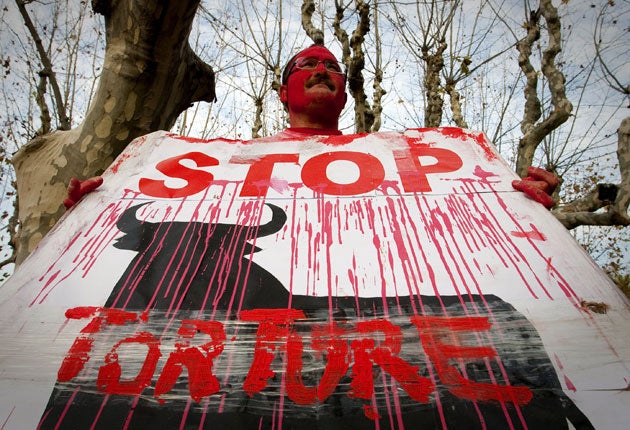
Already faced with a rapidly ageing fanbase at home and widespread incomprehension and rejection abroad, Spanish bullfighting has suffered another major setback after the Catalan parliament voted to outlaw it completely across the region.
The decision was so controversial that some deputies hunched over their desks to hide their fingers from photographers as they punched in their votes. After a narrow initial victory for the abolitionists – 67 in favour and 59 against – the law could become effective as soon as May.
Spain's right-wing press was quick to attribute the result to Catalan separatists' desire to dissociate themselves from an activity often considered as typically Spanish as tapas, siestas and flamenco. Unofficially, though, even before Friday's decision, it seems bullfighting circles in the rest of Spain had given Catalonia up as a lost cause.
Over the past three decades, bullring after bullring has closed in major Catalan towns such as Gerona, Lloret de Mar and Tarragona, and in Barcelona only one of the original three rings remains. As far back as 1909, Barcelona hosted Spain's first anti-bullfighting protest, and by 2004 more than 80 per cent of Catalans were opposed to the practice. "Banning the bulls in Catalonia would be like drawing up a death certificate for a long-dead corpse," said Juan Ilian, a leading Spanish bullfighting correspondent for nearly five decades. "And even if they don't, it'll remain on its deathbed."
Animal rights groups amassed 180,000 signatures for a petition so that the vote could go ahead in Catalonia – more than three times the required minimum – but even the lobby's top activists are not sure how quickly the ban could extend to the rest of Spain. Antonio Moreno, president of Cacma, an animal rights association in the bullfighting heartland of Andalusia, said: "An overwhelming majority of Spaniards, 76 per cent according to Gallup surveys in 2009, are not in favour of bullfighting. However, only half that total want outright prohibition. The government promised six years ago to improve animal welfare laws, but it's been dragging its heels. It's only through legislation like in Catalonia that things are changing."
A lack of enthusiasm for bullfighting among younger generations is most likely to deliver the estocada – the killer blow, in bullfighting terminology. A recent survey showed bullfighting to be most popular among Spaniards in the 45-plus age group. And Spanish state television, TVE, has dropped it permanently from its schedule because, an inside source at TVE said, "it was considered too bloodthirsty for children to watch".
"It's not necessarily that younger Spaniards are more in favour of animal rights, they just don't care so much about bullfighting," Johanna Mayrhofer, an Austrian long-term Spanish resident and animal rights activist, said. "Bullfighting isn't part of their day-to-day culture, as it was for nearly all Spaniards a few decades back."
Long-term observers such as Mr Ilian recognise that while support for bullfighting remains healthy in strongholds such as Andalusia and Madrid, its mid-term prospects are grimmer. "There's a dedicated minority who follow it closely, and some bullfighters have a huge media presence, like rock or film stars, but the vast majority of spectators who go to a bullfight these days have no idea which fighter they're going to see," he said. "Instead, it's just become a show, and interest among the general public is dropping."
"It was banned in the Canary Islands in the mid-1990s, but there was already very little support there," Mr Moreno added. "This is the first big step on mainland Spain."
Join our commenting forum
Join thought-provoking conversations, follow other Independent readers and see their replies
Comments
Bookmark popover
Removed from bookmarks