CIA agents sentenced in Italy rendition case
First legal blow to Bush policy of seizing suspects from Europe's streets. <b>By David Usborne</b>.
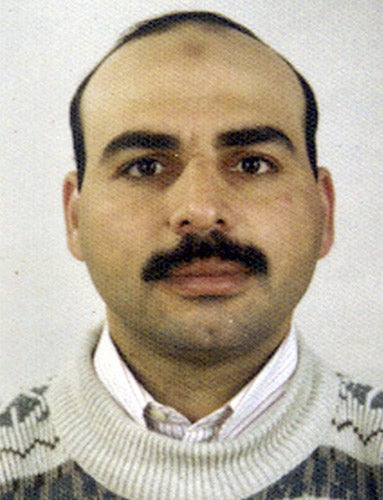
In a stiff rebuke from across the Atlantic to the policies of former US president George Bush, a judge in Milan yesterday sentenced 23 American citizens to up to eight years in prison for their part in the secret abduction of a Muslim cleric in 2003 and his rendition for questioning in Egypt, where he was imprisoned and tortured.
All but one of the 23 US citizens were identified by prosecutors in the three-year trial as members or former members of the Central Intelligence Agency (CIA). It was the first such trial of US citizens in a foreign nation related to the now widely discredited secret rendition activities by the CIA, part of Mr Bush's so-called "War on Terror".
While handing down the landmark convictions against the 23 defendants – all tried in absentia – Judge Oscar Magi dropped cases against three other Americans, including a former CIA Rome station chief. He also acquitted the former head of Italy's military intelligence, Nicolo Pollari, and his deputy, citing issues of diplomatic immunity and inadmissibility of evidence protected by secrecy laws.
The harshest sentence, of eight years, was handed down to Robert Lady, the former Milan station chief for the CIA, who allegedly was at the heart of the operation that led to the seizing of Egyptian-born Hassan Mustafa Osama Nasr, known as Abu Omar, in broad daylight. The court was told he was transferred first to Germany and later to Egypt for interrogation where he remained behind bars until 2007 without legal representation.
As the world was to learn later, the fate of the cleric was hardly an isolated case. In multiple instances, some of which have since come to light, citizens were seized and secretly flown to foreign countries where the human-rights laws allowed for harsher means of interrogation, including torture.
On taking office President Barack Obama moved to outlaw all forms of torture by the US military or its intelligence agencies. He also ordered the immediate closing down of the so-called "black sites" in foreign countries to which some terror suspects had been shipped for harsh interrogation, and authorised an investigation into claims that laws were broken by the CIA in pursuit of terror-related intelligence.
Those convicted yesterday were ordered to pay €1m to the cleric, who remains in Egypt, and €500,000 to his wife as restitution for suffering. Two former Italian intelligent agents were also found guilty in the case and were each given three-year prison terms.
The rulings were welcomed by human-rights activists. The send "a strong signal of the crimes committed by the CIA in Europe," said Joanne Mariner of Human Rights Watch. The government of Silvio Berlusconi in Rome refused to assist prosecutors in the case, however, notably by declining to seek the extradition of those accused for fear of damaging US-Italian relations. Because of Rome's reticence and the labyrinth of appeals possibilities that now open up, it seems unlikely the individuals will ever actually go to prison.
The CIA was tight-lipped about the sentences, CIA spokesman George Little noting that the "CIA has not commented on any of the allegations surrounding Abu Omar".
Join our commenting forum
Join thought-provoking conversations, follow other Independent readers and see their replies
Comments
Bookmark popover
Removed from bookmarks