Europe's 'last dictator' set to reap rewards for courting the West
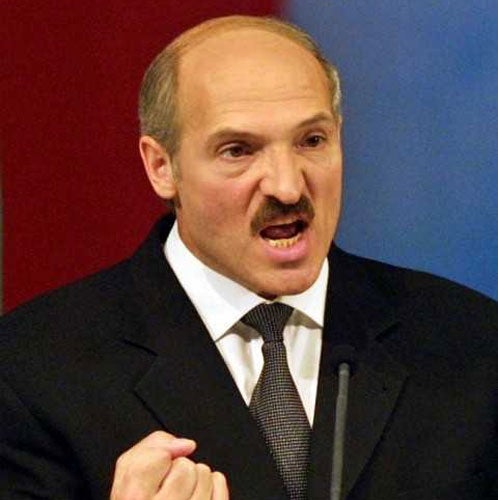
Relatives of Belarus's disappeared dissidents, and beleaguered opposition parties, warn that the EU and US may temper criticism of a tightly-controlled general election in an attempt to woo President Alexander Lukashenko away from traditional ally Russia.
Belarus goes to the polls this weekned in an election that could see the West normalise its relations with the man dubbed "Europe's last dictator".
Keen to loosen Moscow's grip on its neighbours after the war in Georgia, Brussels and Washington have discussed easing sanctions if the ballot is more free and fair than the others he has overseen during 14 years in power.
"Under the surface this election is as bad as the rest," said Mrs Gonchar, who works for an opposition party. "If the West compromises with Lukashenko, it will be a very dangerous mistake." Viktor Gonchar, a prominent critic of Mr Lukashenko, disappeared with businessman and ally Anatoly Krasovsky on 16 September 1999, after a visit to a sauna in the Belarusian capital, Minsk. Four months earlier in the city, Yuri Zakharenko, a former interior minister and leading Lukashenko opponent, vanished on his way home. In July 2000, the President's former personal cameraman, Dmitry Zavadsky, went missing.
Belarus' state security service, still called the KGB, claims to have investigated the fates of the men, to no avail.
However, two ex-KGB officers who fled to the US say the men were killed by a death squad created by officials close to Mr Lukashenko, who denies involvement in their disappearance.
"Zakharenko and Gonchar had the charisma, ability and popularity to be a serious threat to Lukashenko, and as a businessman Krasovsky could help them do it," explained Oleg Volchak, a former police investigator and lawyer who has studied the case.
Regularly lambasted for fixing elections, harassing critics and crushing the media, Mr Lukashenko caught the eye of Western diplomats last month by resisting Russian pressure to recognise the rebel Georgian regions Abkhazia and South Ossetia and freeing three opponents from jail.
"This election is unprecedentedly free, run according to the rules of the West," Mr Lukashenko said, before declaring: "If even this time the elections turn out to be 'undemocratic', we will halt discussions with the West."
As proof of progress, Mr Lukashenko cites the 70 or so opposition candidates on the ballot and the presence of more than 450 observers from the Organisation for Security and Co-operation in Europe. The OSCE has criticised a paucity of media coverage for opponents of the regime, and parties critical of the President say their members are harassed, unfairly excluded from the ballot, prevented from holding effective meetings and denied access to the commissions that oversee the count.
An EU diplomat said sanctions could be eased next month if the election goes well, potentially allowing Belarus to benefit from the European Neighbourhood Policy, which offers funding and trade opportunities to non-members.
"There is realism that these elections will not be the acme of democracy," the diplomat said. "But the EU response can be calibrated to reflect levels of freeness and fairness – as in how many officials come off the banned visa list and which benefits from the European Neighbourhood Policy are released."
Such a scenario appals Aliaksandr Atroshchankau, an opposition activist.
"The EU can't lift sanctions just as they start to deliver results," he said.
"Rather than recognising rigged elections, the EU should push for talks between Lukashenko and the opposition. If the West says this farcical vote is good enough, Lukashenko will never change."
Join our commenting forum
Join thought-provoking conversations, follow other Independent readers and see their replies
Comments