Blueprint for nuclear bomb on internet, warns UN
Libya received the blueprint for a nuclear bomb electronically, raising "serious concern" about the spreading of such sensitive material via the internet, the head of the UN nuclear agency has reported.
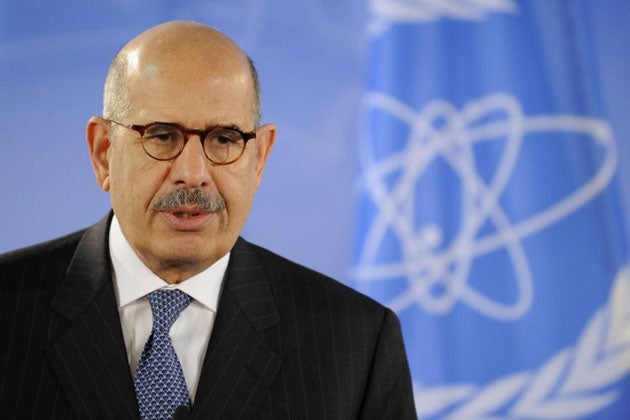
In a report which wraps up a four-year investigation into Libya's nuclear weapons programme and its links to the clandestine nuclear bazaar of the Pakistani scientist A Q Khan, Mohamed ElBaradei said the discovery was "disturbing".
It is possible that other clients of the world's biggest nuclear proliferation network also received the blueprint. Iran and North Korea were other known customers of the father of Pakistan's nuclear bomb. Khan was placed under house arrest after confessing to selling the nuclear technology in 2004.
However the International Atomic Energy Agency's report, which found that the Khan network had operated for a full decade longer than previously known, said that there was no evidence of any diversion of nuclear material from Libya.
In the same report, Mr ElBaradei revealed that Libya had taken steps to set up a plant for plutonium reprocessing using a German design, an alternative route to building a bomb than the off-the-shelf design for uranium enrichment supplied to the Libyans by the Khan network.
"They [the Libyans] had the know-how for plutonium reprocessing," said an IAEA official. "They were buying the technological know-how from small companies or individuals, regrettably in the West."
But the agency's main concerns at present stem from the potentially limitless dissemination of the up-to-date nuclear bomb design provided to the Libyans by the Khan network in 2001 and 2002. "Much of the sensitive information coming from the network existed in electronic form, enabling easier use and dissemination. This includes information that relates to uranium centrifuge enrichment, and more disturbing, information that relates to nuclear weapons design," the report said.
The report said the agency's investigations "indicate that a substantial amount of sensitive information related to the fabrication of a nuclear weapon was available to members of the network" – including a document on how to cast uranium metal into warheads – "that was more up to date than ... a related document found in Iran."
In the coming days Mr ElBaradei is expected to submit his report on Iranto the IAEA board.
The UN agency has been conducting its own investigation into the Libyan nuclear programme after the US and Britain persuaded Colonel Gaddafi to surrender his weapons of mass destruction in December 2003. According to an authoritative account in a book by Douglas Frantz and Catherine Collins on the Khan network, The Nuclear Jihadist, the Libyan leader decided to step up negotiations with the two countries after the CIA and MI6 intercepted a ship laden with nuclear components in October 2003.
"The good news is that the Khan network doesn't exist any more," said the IAEA official, who said that the Libyans had cooperated fully with the UN inquiry. But referring to the nuclear bomb design transmission in electronic form, he said: "The genie is out of the bottle." Although the blueprint was "not a complete design, if I had a project like that it would be very useful."
Nuclear experts point out, however, that the infrastructure of a state is required for building a bomb, which the IAEA official said would be "very complicated for a terrorist organisation". The IAEA chief has in the past warned that the main nuclear threat from individuals would come from a "dirty bomb" involving TNT and radioactive materials, which he calls a "weapon of mass terror".
Join our commenting forum
Join thought-provoking conversations, follow other Independent readers and see their replies
Comments
Bookmark popover
Removed from bookmarks