David Owen: Thatcher's disciples do her no favours by covering up her illness
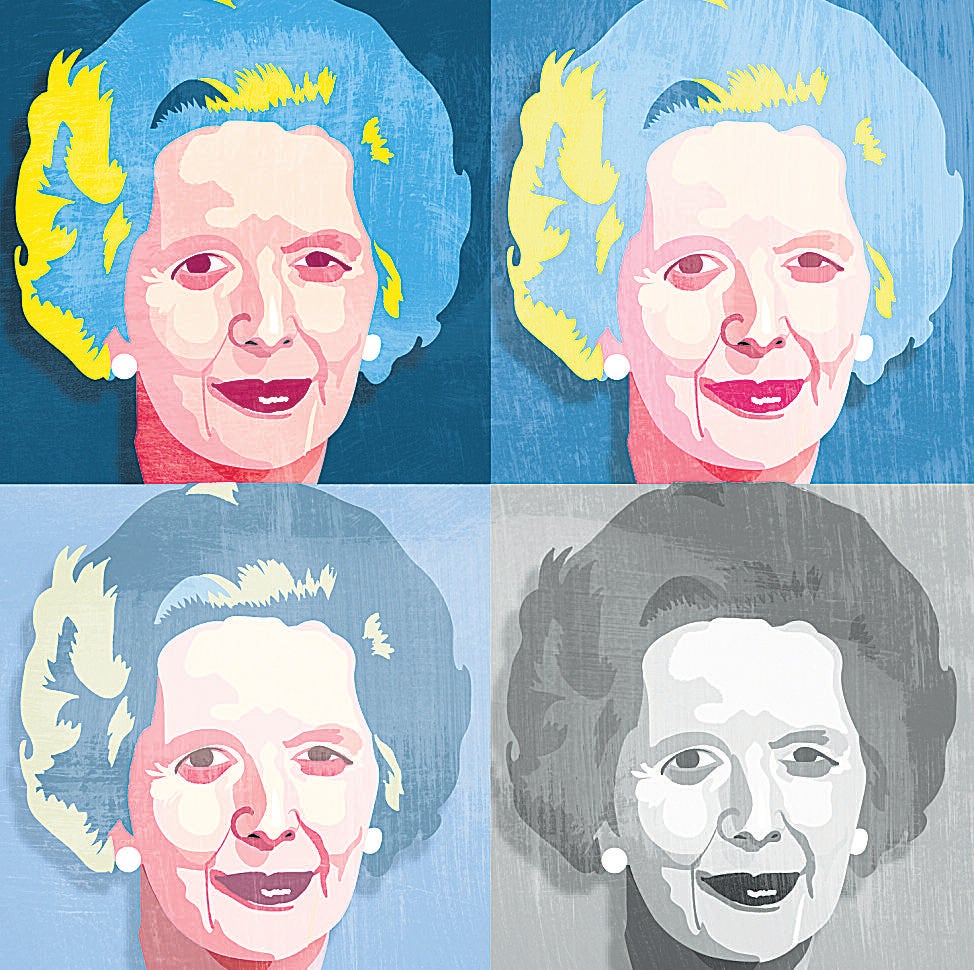
For the first time, the British public can see in graphic detail on cinema screens throughout the country why the woman they elected three times as Prime Minister was unceremoniously bundled out of office by her fellow Conservative MPs.
Meryl Streep's brilliant portrayal of Margaret Thatcher takes us into the cabinet room and we witness the Iron Lady's open display of personal contempt for Sir Geoffrey Howe, previously her Chancellor of the Exchequer and Foreign Secretary.
Contempt was in Greek mythology the least attractive feature of the hubris of leaders who had become overwhelmingly confident in their own judgement and dismissive of the views of others. They acquired hubris as a function of holding great power and the symptoms and signs of it I have called "Hubris Syndrome". As the Greeks have taught us, hubris is followed by nemesis, and so it turned out for Margaret Thatcher. On 13 November 1990 in the Queen's Speech debate, Howe, annoyed by attempts to misrepresent his earlier resignation from the Cabinet, used his right to make a personal statement to the Commons. It was a full-frontal attack, the speech of an assassin. It paved the way for Michael Heseltine to stand against Margaret Thatcher six days later.
The political issues were not just about Europe. Thatcher had lost support in her party, first, over the poll tax, then over opposing the reunification of Germany. But above all it was, by then, the manner of her leadership.
Do the makers of this film know something that medical science has yet to prove? Can Hubris Syndrome be an early sign of dementia? I very much doubt it. The three other British Prime Ministers who, in my view, developed Hubris Syndrome in No 10 and were ousted by their MPs, have demonstrated no such linkage. Lloyd George, removed from office in 1922, lived for another 22 years. Neville Chamberlain, removed in 1940, lived for less than a year, dying of cancer. Tony Blair, in effect removed in 2006, but stepping down in 2007, now roams the globe posing as a world leader.
It is not surprising that many of those dedicated to keeping the flame of "Thatcherism" alive resent this film for they do not like it starting and ending with an old lady whose mind is being progressively destroyed. For them it is a false image. She must remain a heroine. Charles Moore her official biographer, has written about the film portrayal as "calculatedly unkind". David Cameron yesterday lamented to the BBC's Today programme: "It is a film much more about ageing and elements of dementia than about an amazing Prime Minister". Yet, the general public, at whom the film is directed, are rightly, becoming ever more aware of brain disease. Thatcher's admirers should recall too, how another hero of the political right, Ronald Reagan, handled his dementia.
The average American did not expect Reagan, nearly 70 on taking office in 1981, to be immersed in detail. They knew that forgetfulness and memory loss were the experience of most older people. But his conduct convinced many that Reagan was suffering from dementia while still in power. Yet detailed medical records in the Mayo Clinic give a picture of his mental state during the summer of 1990, over a year after he left office. The full range of tests following a riding accident and surgery on his brain is said to have given no hint of impending Alzheimer's, although others carried out in 1993 did. In November 1994, with grace and dignity in retirement, Reagan wrote a moving letter to "my fellow Americans". He told them he was one of a million Americans afflicted with Alzheimer's disease and went on: "In the past, Nancy suffered from breast cancer and I had my cancer surgeries. We found through our open disclosures we were able to raise public awareness." He ended: "I now begin the journey that will lead me into the sunset of my life". Reagan died on 5 June 2004, a much respected former President. His wife said he had not opened his eyes for four years.
Margaret Thatcher's political legacy is a formidable one, covered in rapid sequences throughout the film. There is no need for her disciples to be afraid of Streep's depiction of her dementia. In my judgement it will burnish, not tarnish, the image all the more for showing her vulnerability in old age. I would argue that Reagan's openness protected his legacy. Covering up is what heightens people's prurience about Thatcher's condition. By highlighting the debt she felt she owed to her husband Denis through flashbacks, the film gives her a touching humanity. Perhaps the scriptwriters are hinting that there was a vulnerability too, in her political life. Certainly, she needed courage to overcome the prejudice against women in politics at that time and that displayed towards her humble origins by many Conservatives.
While neither factually nor medically correct in every detail, this film could achieve something important and enduring: acceptance that dementia, however it presents itself, is rarely an indication of a poorly functioning brain in earlier life. It is an illness that can afflict the brightest and the best. An illness that is not something to hide away from, but to talk about openly, and best dealt with on the basis of both knowledge and understanding.
Lord Owen, independent cross-bench peer and a neurologist, is author of "In Sickness and in Power: Illness among Heads of Government during the last 100 years"
Join our commenting forum
Join thought-provoking conversations, follow other Independent readers and see their replies
Comments
Bookmark popover
Removed from bookmarks