Robert Fisk: Britain's explanation is riddled with inconsistencies. It's time to come clean
How could the Arabs pick up on a Mossad killing, if that is what it was? Well, we shall see
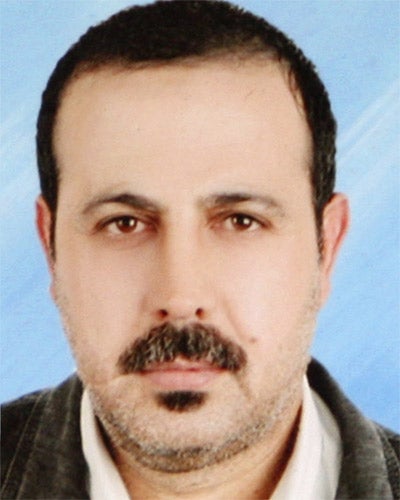
Collusion. That's what it's all about. The United Arab Emirates suspect – only suspect, mark you – that Europe's "security collaboration" with Israel has crossed a line into illegality, where British passports (and those of other other EU nations) can now be used to send Israeli agents into the Gulf to kill Israel's enemies. At 3.49pm yesterday afternoon (Beirut time, 1.49pm in London), my Lebanese phone rang. It was a source – impeccable, I know him, he spoke with the authority I know he has in Abu Dhabi – to say that "the British passports are real. They are hologram pictures with the biometric stamp. They are not forged or fake. The names were really there. If you can fake a hologram or biometric stamp, what does this mean?"
The voice – I know the man and his origins well – wants to talk. "There are 18 people involved in the killing of Mahmoud al-Mabhouh. Besides the 11 already named, there are two Palestinians who are being interrogated and five others, including a woman. She was part of the team that staked out the hotel lobby." Two hours later, an SMS arrives on my Beirut phone from Abu Dhabi, the capital of the United Arab Emirates. It is the same source.
"ONE MORE THING," it says in capital letters, then continues in lower case. "The command room of the operation was in Austria (sic, in fact, all things are "sic" in this report)... meaning the suspects when here did not talk to each other but thru the command room on separate lines to avoid detection or linking themselves to one another... but it was detected and identified OK??" OK? I ask myself.
My source is both angry and insistent. "We have sent out details of the 11 named people to Interpol. Interpol has circulated them to 188 countries – but why hasn't Britain warned foreign nations that these people are using passports in these names?" There was more to come.
"We have identified five credit cards belonging to these people, all issued in the United States." The man will not give the EU nationalities of the extra five – this would make two women involved in Mr Mabhouh's murder. He said that EU countries were cooperating with the UAE, including the UK. But "not one of the countries we have been speaking to has notified Interpol of the passports used in their name. Why not?"
The source insisted that one of the names on a passport – the name of a man who denies any knowledge of its use – has travelled on it in Asia (probably Indonesia) and EU countries over the past year. The Emirates have proof that an American entered their country in June 2006 on a British passport issued in the name of a UK citizen who was already in prison in the Emirates. The Emirates claim that the passport of an Israeli agent sent to kill a Hamas leader in Jordan was a genuine Canadian passport issued to a dual national of Israel.
Intelligence agencies – who in the view of this correspondent are often very unintelligent – have long used false passports. Oliver North and Robert McFarlane travelled to Iran to seek the release of US hostages in Lebanon on passports that were previously stolen from the Irish embassy in Athens. But the Emirates' new information may make some European governments draw in their breath – and they had better have good replies to the questions. Intelligence services – Arab, Israeli, European or American – often adopt an arrogant attitude towards those from whom they wish to hide. How could the Arabs pick up on a Mossad killing, if that is what it was? Well, we shall see.
Collusion is a word the Arabs understand. It speaks of the 1956 Suez War, when Britain and France cooperated with Israel to invade Egypt. Both London and Paris denied the plot. They were lying. But for an Arab Gulf country which suspects its former masters (the UK, by name) may have connived in the murder of a visiting Hamas official, this is apparently now too much. There is much more to come out of this story. We will wait to see if there are any replies in Europe.
Join our commenting forum
Join thought-provoking conversations, follow other Independent readers and see their replies
Comments
Bookmark popover
Removed from bookmarks