Nigel Hawkes: Peer-reviewed journals aren't worth the paper they're written on
Behind The Numbers
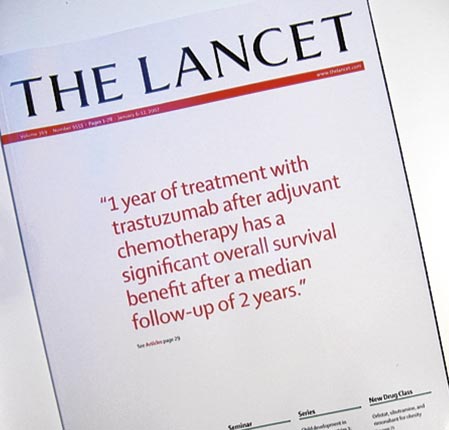
Academic journals like to pride themselves on peer review, the process of sending out papers to other experts in the field for pre-publication checks.
"Is it in a peer-reviewed journal?" journalists are meant to ask themselves before launching into another story about rice pudding causing cancer, or chocolate prolonging life.
The truth is that peer review is largely hokum. What happens if a peer-reviewed journal rejects a paper? It gets sent to another peer-reviewed journal a bit further down the pecking order, which is happy to publish it. Peer review seldom detects fraud, or even mistakes. It is biased against women and against less famous institutions. Its benefits are statistically insignificant and its risks – academic log-rolling, suppression of unfashionable ideas, and the irresistible opportunity to put a spoke in a rival's wheel – are seldom examined.
This didn't matter much when peer review was just a private game for academics. If it made them feel better, that was nice. But in a sinister development, people who have published provocative or implausible claims in peer- reviewed journals have started arguing that they won't listen to criticism unless it has undergone the same laying-on of hands.
The most notorious example of this comes from the authors of The Spirit Level, a book that argues that everything from health to the level of crime, and from happiness to the quality of the toast, is better in societies that are more equal.
Professors Kate Pickett and Richard Wilkinson may well be right in this claim, though I dare say that we can all think of a few exceptions.
What isn't right, however, is their claim that as "almost all" the research that went into The Spirit Level was peer-reviewed, all future debate on the subject should take place in peer-reviewed publications. Come off it, profs, you're pulling our leg, surely? If you're writing a book about a hugely political subject such as inequality, you've surrendered any right to hide behind the flak-jacket of peer review.
Some of the criticism will doubtless be ill-informed, politically motivated, or just plain vulgar. But if the claim is true, it can see off such attacks. If it's untrue, peer review won't help to save it.
Pickett and Wilkinson aren't alone, though. A few months ago, I wrote in this column about a study in The Lancet of which I took a dim view. It claimed that Caesarean operations undertaken without medical cause were nearly three times as likely to cause death or complications to the mother as a normal birth. The evidence fell miles short of proving this claim.
Others shared my view, and one of them, Penny Christensen of Birth Trauma Canada, complained to The Lancet. Rebuffed, she sent them my analysis to support her claim. In reply, an editor wrote to her with the disparaging remark: "We are a scientific journal, and as such prefer to see the scientific debate continued by reference to other academic articles that have been peer-reviewed."
Ms Christensen's complaint has now gone to The Lancet's ombudsman, and we'll see if he shares the attitude that only the peer-reviewed are entitled to have their opinions properly considered.
If it's any help to him or to the authors of The Spirit Level, here's my view. Hiding behind peer review is a betrayal of all the principles of academic life, of open dialogue, of freedom of expression and, since the two profs are so keen on it, of equality as well. It's a disgrace.
Nigel Hawkes is director of Straight Statistics (straightstatistics.org)
Join our commenting forum
Join thought-provoking conversations, follow other Independent readers and see their replies
Comments
Bookmark popover
Removed from bookmarks