Paddy Ashdown: We need a Tobin tax – but not to fill black holes
It is not just the regulatory benefits that are clear. The money raised could be used to help millions of children
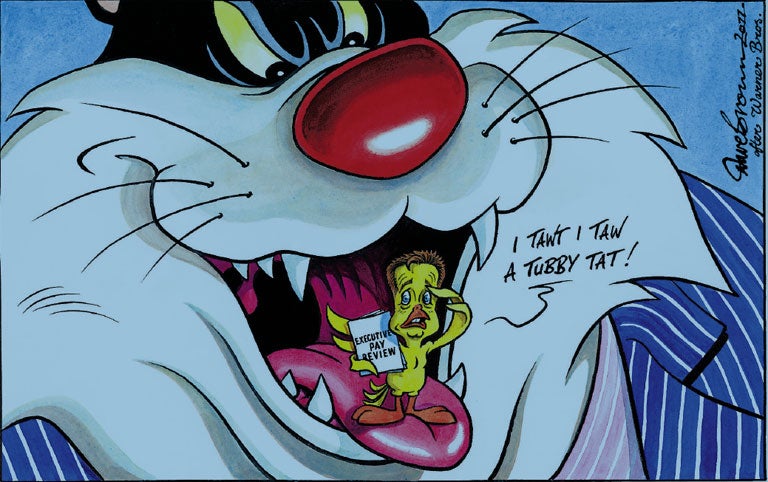
We are living in a time when big decisions are needed; whether they be on the future of our global economy or climate. Seemingly unconnected, these issues represent the devastating impact that irresponsible human action can have on vulnerable people, especially children. At the heart of both is a vacuum of global leadership.
As the euro crisis rolls on, we are seeing the effects of the failure of European and other national governments to agree on joint action that would effectively regulate the financial markets. I am, of course, writing about the Financial Transaction Tax (FTT), Tobin Tax, or Robin Hood Tax, depending on your age and affiliation.
Assertions that such a tax would be "a bullet aimed at the heart of London" are simply misplaced. In fact, many would say the reckless unregulated action of the financial sector that caused the current crisis represented the City doing its very best to shoot itself, and the rest of us, over and over again.
The calming effect that an FTT could have in slowing down market fluctuations and the damage caused by market volatility is exactly the sort of rational regulation the City and global financial industry needs.
There is a clear, growing international support from governments and prominent individuals such as Bill Gates, that this is the right approach. As Nick Clegg has said, an effective FTT that would not disadvantage individual countries or trading blocs would have to be global in scope. The world's powerful economies look inwards and still seek to further their parochial aims when an effectively regulated financial industry is in the interests of everyone. The vision to take long-lasting and powerful action is sadly lacking.
It's not just the regulatory benefits that are clear; it is that the money raised could be used to help millions of vulnerable children. An FTT focused on filling governments' budgetary black holes would be the wrong approach. The money raised could be used at home to make sure we meet the commitment to end child poverty, which is growing because of the financial crisis, and also help children abroad being affected by climate change.
Global warming is one of the greatest challenges to face mankind, yet we seem incapable of addressing its cause and preventing its growth. World leaders have consistently let their own parochial concerns get in the way of making the sort of agreement on cutting carbon emissions that the world needs to avoid catastrophic warming. Whilst the wrangling on emissions continues, there is one area in which global politicians could make progress: helping children adapt to their changing climate. Again, this is where the FTT could make a difference.
The poorest and most vulnerable feel the effect of climate change the most. There are approximately 756 million children living in the 10 countries most vulnerable to climate change. The 2007 Stern Review noted that if climate change goes unchecked it could cause between an additional 60,000 and 250,000 child deaths in South Asia and sub-Saharan Africa alone. These will be the poorest, most vulnerable children. It is outrageous that we are just letting this happen.
Helping children adapt to climate change isn't difficult and often involves very practical steps based on local need and listening to children themselves. For example, in the Horn of Africa, Unicef has been looking at how to prevent future food crises by working with local people to increase mobile schools, protect livestock to help keep nutritional milk for children and strategically establish water points along nomadic journeys.
At the Copenhagen climate change conference in 2009, developed countries committed money from 2013, which should reach $100 billion a year by 2020, to help developing countries adapt to climate change and fund low-carbon development. The UK Government has already pledged £1.5 billion from the existing foreign aid budget to 2013, but still needs to say how it will fund its commitments from this date onwards. The FTT would provide a large part of the UK's contribution.
I know the Government is also considering a tax on the dirty fuels used in shipping and air freight to help meet the rest of its contribution. There is no doubt that to halt climate change and prevent further destruction we need to change how we live in the developed world, while helping the developing world adapt to the change our economies and lifestyles have caused. Adjusting how we live will mean tough choices, which world leaders have been so woefully inadequate in making. The benefits of the FTT are twofold: it would help prevent future financial destruction in the developed world; as well as prevent climate destruction in the developing. It's time that the UK Government began championing a global FTT.
Lord Ashdown is President of Unicef UK
Join our commenting forum
Join thought-provoking conversations, follow other Independent readers and see their replies
Comments
Bookmark popover
Removed from bookmarks