Robert Verkaik: How Scotland Yard gave up hunt for war criminals
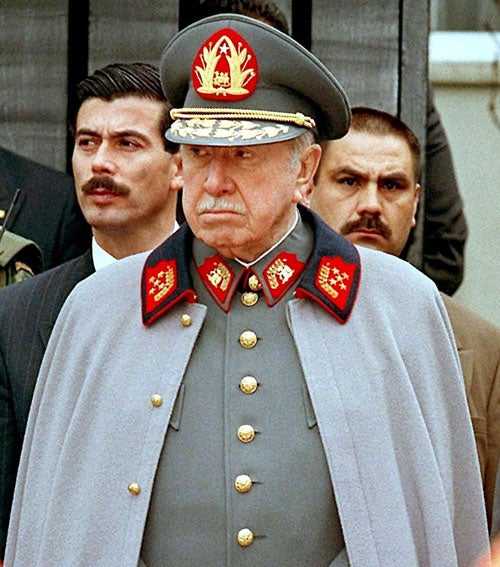
The decision to close Scotland Yard's war crimes unit 11 years ago brought to an end Britain's specialist involvement in the investigation of atrocities committed in the Second World War. Many of the key Nazi suspects living in the UK had either died or were too ill to stand trial. Under the old War Crimes Act brought in under Margaret Thatcher's government only two cases ended in prosecution. A year later, in 2000, Labour was severely embarrassed by the case of General Augusto Pinochet, who was arrested in London over war crimes committed in Chile in the 1970s.
While Britain wrestled in the 1990s with the consequences of historic war crimes committed more than 50 years ago, modern genocides in Rwanda and the Democratic Republic of Congo presented Britain's criminal justice system with a new challenge.
Newly created international war crimes tribunals established to hold to account hundreds of war criminals from Africa and the former Yugoslavia could not tackle the problem of suspects who fell outside their jurisdiction and had found safe haven in the UK.
In 2001, Labour brought in laws that would allow the prosecution of UK nationals or residents for war crimes committed anywhere in the world.
And in 2004 the Home Office gave greater emphasis to war crimes teams of specialists who looked at immigration cases considered by the UKBA. They prioritised evidence of war crimes and passed on the names of suspects to the Metropolitan Police.
Last year the Justice Secretary Jack Straw committed Labour to ending Britain's alleged reputation as a haven for war criminals and said cases dating back to 1991 could be considered. That rule comes into force today.
Critics of the current system believe the Government must go further. A report from Parliament's Joint Human Rights Committee published last year said the 1991 cut-off date and a requirement that only UK residents should face prosecution would leave an "impunity gap" allowing war criminals to visit Britain without fear of prosecution. A cross-party group of MPs and peers say the 1991 cut-off date means the 1994 Rwandan massacres are covered but not the 1970s Cambodian genocide. They have urged the Government to go as far back as 1948 for genocide and 1949 for war crimes.
The potential caseload for the police and the Crown Prosecution Service includes high-ranking officers from the Afghan communist-era security service. Others identified by Aegis are a member of the Sudanese Janjaweed, several Tamil Tigers from Sri Lanka, a member of the Mosquito rebel group from Sierra Leone, officers in Charles Taylor's army in Liberia, a Somali warlord, a member of the Serb militia Arkan's Tigers, a rebel from Angola and several Balkan suspects.
Mr Straw said last year: "It's important that a strong message goes out that there are not going to be any safe havens for people who have committed these kinds of crimes." But the prosecution figures speak for themselves – not a single case in nearly 10 years. It's time the Government made sure the CPS and the police are given the resources to turn these words into convictions.
Join our commenting forum
Join thought-provoking conversations, follow other Independent readers and see their replies
Comments
Bookmark popover
Removed from bookmarks