How the Olympic clean-up put sex workers in danger
An increase in police raids over the past 18 months has seen prostitutes moved on
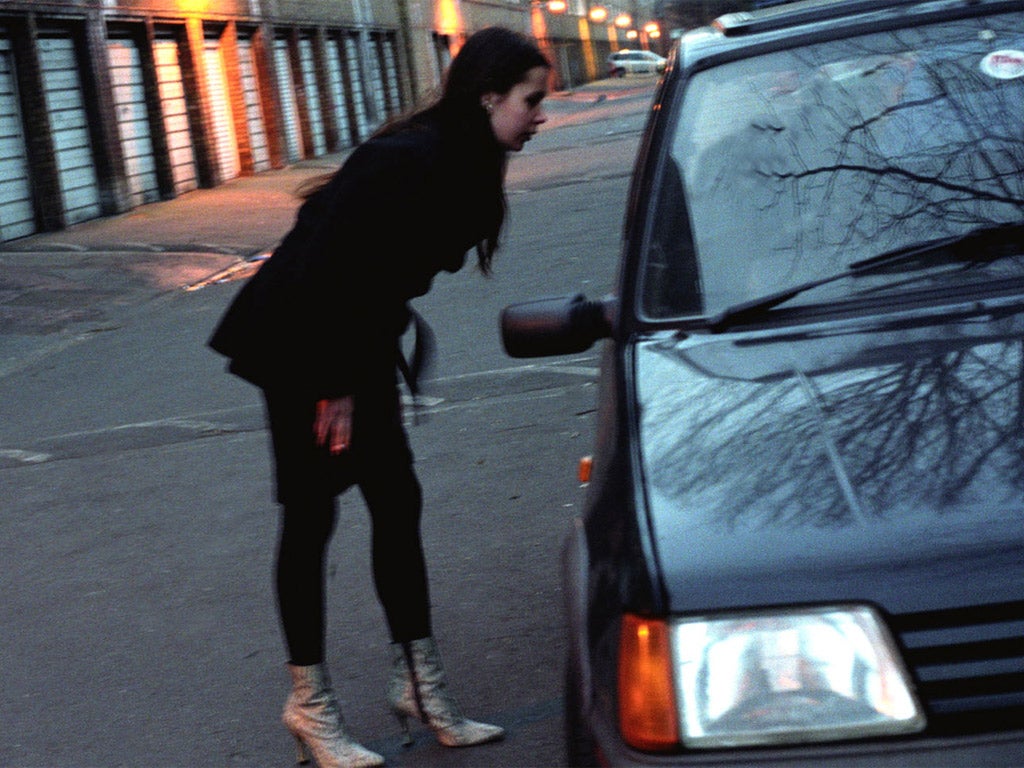
When the oldest profession clashes with the Ancient Games, the women get moved on. Raids on brothels and tough action against street prostitutes in parts of London hosting the Olympics have sparked claims that the streets are being cleared at the cost of the safety and health of sex workers.
Following dozens of raids on flats used by sex workers over the past 18 months, police have focused on vulnerable women working the streets of the Olympic zones' most impoverished areas who are least likely to benefit from any summer Games boom,say groups working with the women.
Strict bail conditions and threats of anti-social behaviour orders have sent many of the women underground, forcing them away from areas they know well and disrupting contact with workers monitoring their health.
"If people suddenly believe they have seen the error of their ways and are now in regular employment as a result, I think we're fooling ourselves," said Andrew Boff, a London Assembly member who wrote a critical report on the policing of sex workers in the capital. "A lot of these people's incomes are dependent on this business."
A list compiled by police of more than 80 named street sex workers in the Olympics borough of Tower Hamlets was earlier this year handed to women's groups to gain their help in trying to track them down.
The list, seen by The Independent, includes at least two women who have died and has led to complaints that police were considering a trawl of suspects to try to move anti-social elements from the streets close to Olympic sites.
Police said its work in Tower Hamlets over the past year was in response to complaints from residents, not linked to the Olympics and its work had led to a "significant" drop in the number of sex workers attacked.
However, a number of charities working with the women refused to co-operate with parts of the project amid growing friction between sex workers and the police and concerns over the growing criminalisation of sex workers.
"I think they're looking to round them up before the Olympics start," said Rio Villa, the director of U-Turn women's centre which helps women to leave prostitution. "They're trying to find as many as they can to impose bail conditions or get them to sign anti-social behaviour contracts to keep them off the streets."
Women working on the street are generally from Britain and have a long history of involvement in drug use and prostitution. The risks are also seen as higher with eight out of 10 women working on the streets being threatened or attacked. However, researchers have reported women from Eastern Europe, who traditionally only worked in flats, increasingly touting for trade on the streets.
"I try and stay within sight of another girl but we often get split up. I have to be visible to get clients but invisible to avoid the police," said one experienced sex worker from Eastern Europe, who has started working on the streets for the first time.
Working women are so worried by the crackdown that one campaigning group, the English Collective of Prostitutes, has published a legal guide for women in the event of arrest, brothel raids or having money seized during a search.
The police activity is just the latest sign of a tougher approach against prostitution going back two years. Some of the most rigorous police action has been in the London borough of Newham where six women were "named and shamed" on a police website in 2010 after repeated offences.
There have been more than 80 raids in the past 18 months on brothels in Newham, one of the five Olympic boroughs where the main Olympic park is situated. It has prompted concerns that the safety of sex workers is being compromised.
"They tell us: 'we've moved and we're not telling anyone where we are apart from customers'," said Georgina Perry, of the Open Doors project, which provides specialist NHS services to women in the sex industry.
Scotland Yard's specialist trafficking unit received an extra £500,000 from the Government for work to combat an anticipated increase in the sex trade around the Games. Police yesterday confirmed its monitoring work had not identified any increase in trafficking in the five Olympic boroughs, Tower Hamlets, Newham, Greenwich, Waltham Forest and Hackney.
Mr Boff said that the experience of previous major sporting events was that the level of prostitution went down because of the increased police scrutiny in the areas.
Case study: 'I'm worried I'll be fined or go to prison'
Suzy (not her real name) is from Eastern Europe and has been a sex worker for two-and-a-half years. Until this year, the young mother had always worked indoors, which is considered much safer than plying on the streets. Her last place was a flat in West Ham, east London, where she had been for more than a year with up to two other women.
When one customer became abusive, demanded his money back and had to be thrown out of the flat, she did not call the police because she was concerned about revealing her location during a crackdown in the area.
Six weeks ago the flat was closed down – she had rented it and it is likely that the owners had been threatened with closure – though she did not know the circumstances. Instead of taking another place she decided, because of the high number of police raids, to work for the first time on the streets.
Unlike many street workers, she is not on drugs and has no need to feed a habit, and she has now saved the cost of extra rent. When she sees police out in numbers she goes home rather than risk the prospect of arrest. But because she is continually dodging the police, she has stopped making some of the checks she ought to make to protect her safety.
Despite that, she has decided to stay put in Newham because she knows the area and believes she would be more alert to the dangers than if she were driven down streets in a place she did not recognise. She can also take some comfort from vaguely knowing a couple of other working women who watch out for each other.
"When I worked inside I was furious at how much of my money went to the landlord. Now I'm worried my money will go in fines – or worse that I'll end up in prison," she said in a statement sent to The Independent.
Join our commenting forum
Join thought-provoking conversations, follow other Independent readers and see their replies
Comments
Bookmark popover
Removed from bookmarks