The Green agenda is suffering under the Tories. Here's how we can put it back on the map
A few years ago the Prime Minister was hugging huskies - now his party's policies threaten to speed up global warming
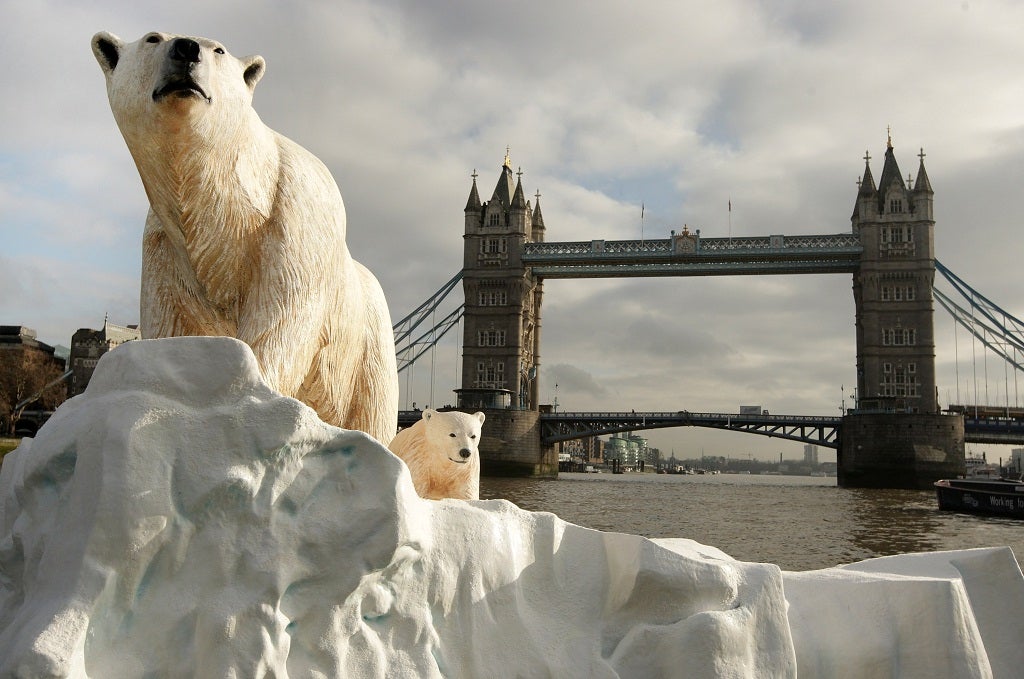
It isn’t half nippy out, and with Britain about to be plunged into an increasingly familiar cold snap, it might seem a bit of an odd time to bring up climate change. Weather and climate are two different things, though I’m not alone in hearing grumbling about Britain missing out on the perks of global warming. But the truth is that the state of our planet is way down the list of our priorities. Despite the dedicated efforts of climate-change-denying flat-earthers, 57 per cent of us accept climate change is happening and is mostly down to the actions of humans, according to a poll by ICM a few months ago. But surveys show that our interest in the subject has long been waning.
It doesn’t surprise me. I have a confession: the environment can bore the life out of me. Although I can appreciate the obvious importance of saving the world from catastrophe, I struggle to muster much passion or interest about it. What makes it worse is that – in my days as a Parliamentary flunky – my main research area was the state of the planet. If my eyes are glazing over, I’m guessing the issue isn’t turning many voters on either.
It’s not all that surprising: the implications of climate change often seem abstract and remote. There are so many immediate problems, not least an intractable economic crisis and the most protracted decline in living standards since the 1920s, that the long-term health of Planet Earth does not seem a priority.
But there is every reason for alarm in the here and now. Last November, the UN Intergovernmental Panel on Climate Change reported increasing deaths and damage from weather and climate-related disasters. Furthermore, it found lengthier heatwaves in many countries. Two other detailed scientific studies in early 2011 linked climate change with a 7 per cent increase in rainfall in North America, and a higher risk of flooding here in Britain. Food is particularly sensitive to climate, and recent droughts in the US, China and Russia risk being a dark foreshadow of worse to come. David Attenborough recently suggested it would take an extreme weather event for us all to wake up about the threat posed by global warming.
A few years ago, the political establishment couldn’t stop talking about the planet. David Cameron was poncing around the Arctic Circle, posing for the photographers with cutesy huskies. “ Vote blue, go green,” he announced, and even changed the Tory logo to a tree in a seemingly cynical attempt at transforming his party’s reputation.
The contrast with today is striking, to say the least. “We’re not going to save the planet by putting our country out of business,” is George Osborne’s argument. The Chancellor blames surging energy bills on “a decade of environmental laws and regulations”. The new Environment Secretary, Owen Paterson, is rumoured to be a climate-change sceptic; he’s a known advocate of shale gas who has attacked wind farms. The Energy Minister, John Hayes, has similarly attacked wind farms. Peter Lilley, who calls himself a “global lukewarmist” and was one of just three MPs to vote against the Climate Change Act in 2008, has just been appointed to the Energy and Climate Change Select Committee.
The Tories would counter that they’ve set up a new state-backed Green Investment Bank, but given that it won’t have borrowing powers until at least 2015, it is hamstrung. The Government remains keen on gas; has threatened the destruction of our solar industry with cuts to financial incentives; attacked subsidies for wind while introducing huge tax breaks for fossil fuels; and cut energy-efficiency measures. Their tree logo remains; it’s probably too costly to change it to something more appropriate, like a strangled kitten, perhaps.
Faced with hostility and apathy, what hope is there for the planet? The only way the environment is going to be forced back on the agenda is to make it a bread-and-butter issue: about jobs and living standards. Take energy prices, hiked by up to 11 per cent as pay-packets decline. Preferably, energy should be under public ownership, not run by greedy companies extorting money out of hard-pressed consumers. But our growing dependence on importing gas – rather than developing a home-grown renewable energy sector – means dramatic fluctuations in our bills are here to stay.
Creating hundreds of thousands of “green-collar” jobs could transform communities battered by the fastest deindustrialisation of any major Western country. From the 1980s onwards, millions of skilled industrial jobs were trashed and never replaced, creating an hourglass economy: middle-class professional jobs at the top, and low-paid, low-skill, insecure service-sector jobs at the bottom. Look at Germany, where the number of renewable-energy jobs rose from 160,500 in 2004 to 370,000 by 2010. That was down to an interventionist industrial policy, abhorred by both New Labour and the Tories on the grounds that the state shouldn’t pick winners and losers.
There is a different way. Campaigners at Friends of the Earth demand radical action, such as giving the Green Investment Bank teeth, having a legally-binding commitment to reduce carbon emissions from our electricity system to 50 grams of CO2 from the current 500 grams, a mandatory energy-saving target of 30 per cent by 2030 to strip carbon emissions and reduce bills, and to prioritise renewable energy.
And drawing inspiration from Franklin Roosevelt’s response to the Great Depression, academics and campaigners have been pushing a Green New Deal. It would recruit a “carbon army” of hundreds of thousands of skilled workers, insulating millions of homes and businesses and building a thriving renewable-energy sector.
Climate change is the sort of issue most will agree has to be tackled – but by someone else. Perhaps many of you saw the subject of the column and turned the page. But make it an issue about creating jobs and improving lives, and people will care. Politicians talk about rebalancing our economy away from the City, but it’s empty rhetoric. Here’s how we can do it. We can build a better future for our communities, and save the planet. It really is win-win.
Join our commenting forum
Join thought-provoking conversations, follow other Independent readers and see their replies
Comments
Bookmark popover
Removed from bookmarks