There was much to enjoy in 50s Britain that won't be seen again - sadly, wildflowers have joined that list
As a result of intensive farming and development the reign of Elizabeth II has witnessed, in wildlife terms, a vast impoverishment of the fields of Britain.
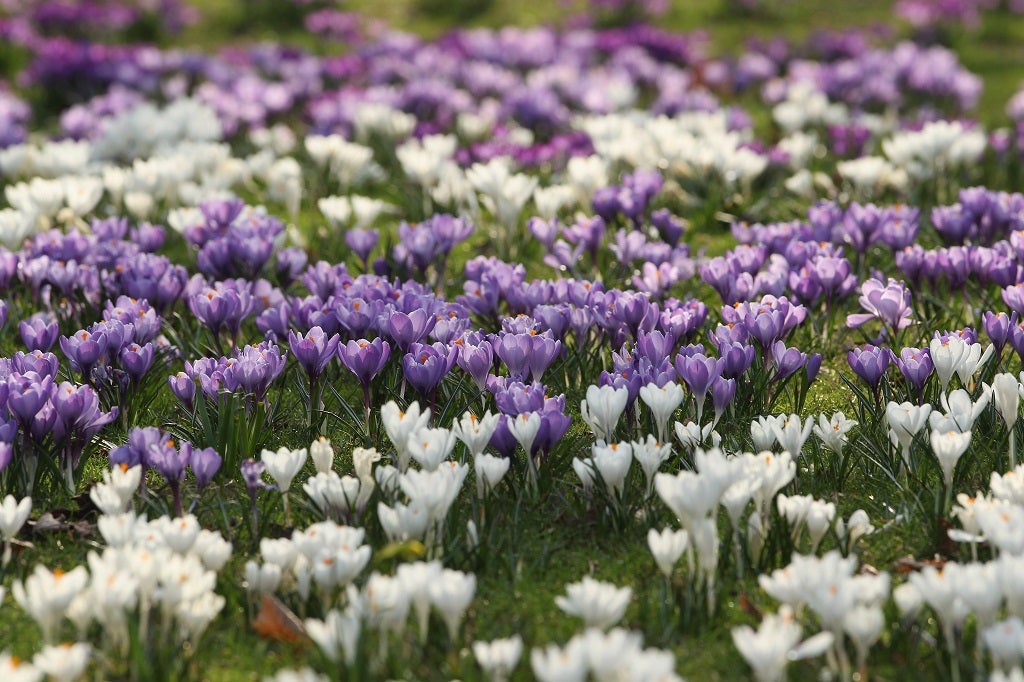
How Britain has changed in the past 60 years was a lively topic of conversation earlier this year at the time of the Diamond Jubilee, for indeed the nation today might in many ways seem unrecognisable from the land over which our own dear Queen (Gawd bless ’er) began to reign in 1952.
Most of our modern pleasures and conveniences were then unknown. In those days, food (in comparative terms) was awful. Wine was virtually non-existent. The one-channel television screens were scarce and the size of Corn Flakes packets, although radio was listened to avidly, and hardly anyone had a telephone, let alone a fridge or a washing machine or central heating. Travel and holidays were strictly limited, and carried out by bus and train (and tram), with car ownership a fraction of today’s and air travel a rarity, while as for sex – well, before 1963, as Philip Larkin ruefully reminded us, sexual intercourse had not begun.
Yet there were aspects of life in 1952 which may still have an appeal for some people today. Our diet was less interesting, but it was healthier. People wrote letters to each other, with pen and ink. We were near the historic low point of crime in the UK (that was reached in 1953). There was a widespread, old-fashioned courtesy prevailing in common manners – no man on a train would sit while a woman was standing. And perhaps most sadly, when we look back now, there were a lot more wild flowers in the countryside.
Just how many more is made clear by a report due to be published this month by Plantlife, the wild flower charity. We have had plant extinctions in Britain in the past 60 years, and the report, Our Vanishing Flora, lists them; we have completely lost 10 species of flowering plant in the reign of Elizabeth II, and, for the record, they are narrow-leaved cudweed, summer lady’s tresses, small bur parsley, purple spurge, lamb’s succory, interrupted brome, downy hemp-nettle, Irish saxifrage, stinking hawksbeard and York groundsel.
That’s 10, out of a total UK flora of about 1,400 species; and you might well think, considering the merciless battering the countryside has received from intensive farming and from development over the intervening decades, that we’ve got off lightly. But we haven’t. Because when you look at the picture, not from the national level, but from the county level, it darkens dramatically: county extinctions far exceed national ones. Things might be clinging on somewhere in Britain, but they very likely have vanished from your local patch.
Middlesex, for example, has in the reign of the present monarch seen no fewer than 76 of its wild plant species go extinct; Northamptonshire, 74; Cambridgeshire, 66; Buckinghamshire, 61; Durham, 55; Monmouthshire, 43; and the old county of Bannffshire in Scotland (still used for botanical recording purposes) a grand total of 98, and so it goes on. On average, each county is losing – for ever – about one species every two years, more in some cases. Over a lifetime, that adds up to substantial loss.
The report has been put together by studying county floras or botanical guides, as in The Flora of Middlesex (the production of which has been a long and honourable tradition in Britain), and by comparing the most recent ones with earlier volumes; no loss later than 1986 has been included, as it takes quite a time to establish that a species really is extinct, so the general picture is almost certainly understated.
And that general picture is staggering: the reign of Elizabeth II has seen, in wildlife terms, a vast impoverishment of the fields and woods and hedgerows and marshes and heaths of Britain, a great thinning-out of everything, a winnowing, a colossal watering down of the once-vibrant colour and life of our countryside. Many are the English flowers most people will never see now, from sundews and butterworts to field gentian, grass of Parnassus and burnt orchid (the latter charmingly resembling an ice-cream cone topped with raspberry sauce).
Referring to Warwickshire, Shakespeare’s county (78 species gone extinct in the reign of the present Queen), the report alludes to his lines from A Midsummer Night’s Dream:
I know a bank where the wild thyme blows,
Where oxlips and the nodding violet grows,
Quite over-canopied with luscious woodbine,
With sweet musk-roses and with eglantine…
The report says: “The chance of finding all these plants on the same bank anywhere in the Midlands today is slight. In Warwickshire, there is no chance at all.”
No fridges, when the Queen came to the throne. No washing machines. No multi-channel flat-screen TVs. No Spanish holidays, never mind holidays in the Maldives or the Seychelles or the Bahamas. But colour and life in the countryside. And I know which world I prefer.
Join our commenting forum
Join thought-provoking conversations, follow other Independent readers and see their replies
Comments
Bookmark popover
Removed from bookmarks