Why I refuse to wear wool
Little is known about the vulgar treatment of lambs - all just to keep us snug and trendy.
As I write, I'm warding off the autumn chill with a warm cotton jumper, a polyester fleece pullover, cotton corduroys and ultra-cozy soya-silk socks.
But not so much as a stitch of wool. Why not? Because I don't buy wool. For ethical reasons.
Most people look at you quizzically when you say you don't wear wool. "Oh, you're allergic, right?" No. "Hate the dry-cleaning?" Yes, but that's not the only reason. "It's too heavy? Smells funny? Takes too long to dry?" Yes, yes, and yes ‒ but it's far worse than that.
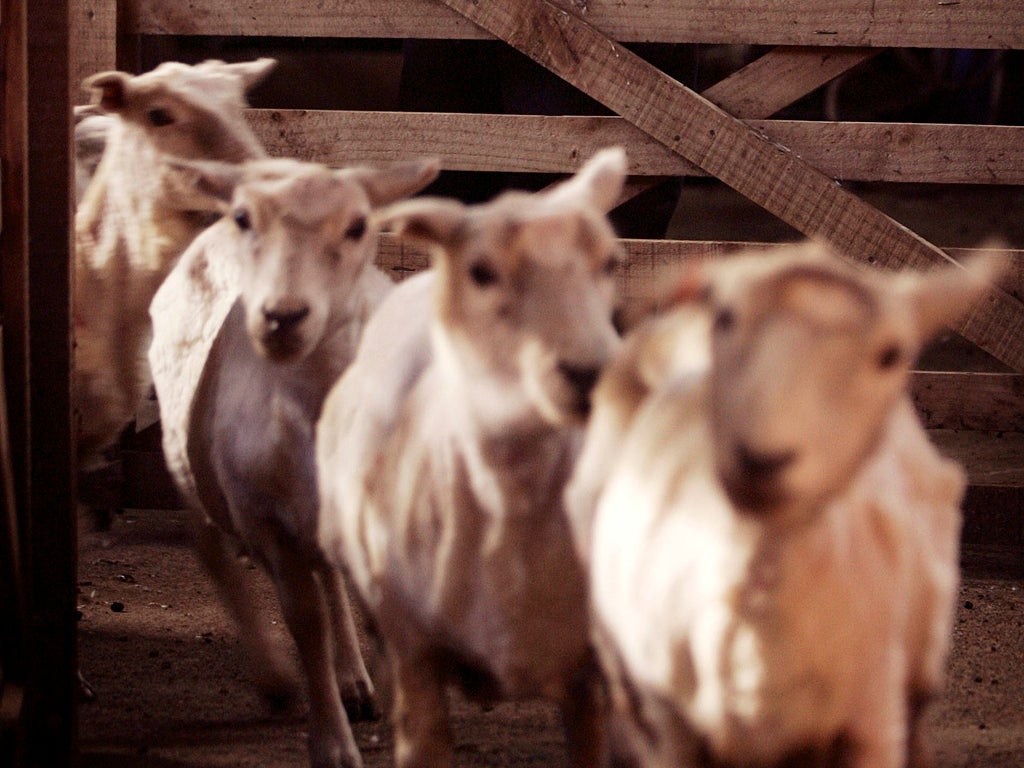
Most people envision a sheep farm as an idyllic place with rolling hills, sheep dogs and warm barns. While bucolic, blissful farms like that may still exist somewhere, most of the wool we buy does not come from them.
Chances are, no matter where you live, your wool comes from the Land Down Under. With 120 million sheep, Australia is the world's largest producer of Merino wool (the kind used for most clothing). Australians raise Merino sheep because their wrinkly skin produces more wool per animal. Trouble is, the wrinkles collect urine and moisture, which attracts flies, which lay eggs, which hatch into maggots, which…you get the picture.
So the colonists came up with an ingenious (or egregious) solution: they cut a dinner plate–sized chunk of skin off the lamb's rear end in order to create a massive scar that pulls the skin tighter, reducing wrinkles. Yes, it's just as gruesome as you're imagining, and the wounds often become infested with maggots before they heal.
Flocks of sheep usually consist of thousands of individuals, so it's impossible for any farmer to treat them with the care and respect they deserve. For instance, it is considered normal in the wool industry for at least four per cent of young lambs to die every spring, primarily because of poor nutrition.
Sheep are basically on their own. They get rounded up and tossed into the sheep dip every once in a while, but mostly, it's just them, the flies and the parasites. Lameness caused by untreated scald and foot rot, both painful bacterial infections, is often found in ten per cent of a flock or more.
When the shepherds do "tend" to them, lambs have their tails amputated without anaesthetics. Little male lambs are particularly blue because they are castrated without painkillers. Shearing isn't a walk in the park, either, since it is automated and done at lightning speed to accommodate such huge numbers of animals ‒ and protruding sheep parts accidentally get lopped off.
Once sheep become old or unproductive, they are shipped to slaughter, which usually involves herding them onto lorries and transporting them long distances. These journeys can take several weeks. Many sheep are trampled to death or die of disease or starvation when they are unable to reach the food trough.
So, wool is not "cool". The "price" of wool, which according to some fashionistas, is rocketing right now, has long been paid by the sheep who are mutilated for these unnecessary fabrics.
All compassionate people should ditch the knits and opt instead for some of the more technologically advanced and cruelty-free alternatives, such as rayon, cotton, hemp, bamboo, Ingeo (made from corn) and soya silk as well as acrylic, nylon and microfibre. Our bodies will stay plenty warm without wool, but our hearts may be the warmest of all.
Join our commenting forum
Join thought-provoking conversations, follow other Independent readers and see their replies
Comments
Bookmark popover
Removed from bookmarks