The Independent's journalism is supported by our readers. When you purchase through links on our site, we may earn commission.
Why the bad feeling for footballers on the rich list?
Yesterday Goal.com published their annual rich list - and the majority of the players on it, says the site's Managing Editor, do a huge amount of good for charity

The ludicrously flash sports cars, the gaudy mock tudor houses, the diamond-encrusted watches and, of course, the designer-clad WAGs - the trappings and trinkets that accompany a footballer’s career are as synonymous with their lives as their exploits on the pitch.
In a country obsessed with "the beautiful game" we have a love-hate relationship with its protagonists – particularly when it comes to what they do with the extraordinary wealth that comes with the job.
We praise and deride players in equal measure, paying through the nose to watch them at stadiums or via a premium TV sports package, yet we also view them as out of touch, aloof and reckless with their cash, splurging on bling instead of investing wisely and helping others.
This week, Goal published the first global rich list of footballers measuring their net worth, taking into account their salaries, endorsements, business interests and assets. The figures are mind-boggling. Topping the £1.7 billion list - which features 50 players - is David Beckham who is worth a staggering £175m, closely followed by Lionel Messi ( £115.5m) and Cristiano Ronaldo (£112m).
Our readers all over the world have responded fantastically to it, rejoicing in the high placing of their favourite player or marvelling at the surprising business acumen unexpectedly demonstrated by certain stars. Yet in Britain the response seems to be different. Cynicism prevails with readers commenting negatively. “Who gives a damn – we’ll never see a penny” says David from Reading, while Amy from Guildford states "What a bunch of overpaid primadonnas". We respond in this way because footballers have an image problem in Britain and are in as much need of a PR makeover as the Findus Lasagne.
The relationship between footballers, the clubs that own them and the media is one of distrust and suspicion. Clubs worry excessively that their players will get ‘stitched up’ by overzealous sports editors so they train their employees to give ultra-safe stock responses to journalists’ questions - journalists who in turn are left to scramble for stories amidst a sea of bland quotes. With no interesting quotes coming out of the mixed zones and press conferences, reporters are left to look at the personal and private lives of footballers in order to make headlines. Paparazzi photographers follow footballers everywhere, players shun journalists unless they are obliged to speak and this leads to more distrust. It is a vicious circle that serves only the paranoid clubs.
Meanwhile, the majority of footballers are putting their time and money to good use setting up charities and foundations to transform the lives of people less fortunate than them. Rio Ferdinand, who is placed at number 10 on the Goal Rich List thanks partly to his successful business ventures, which include an online magazine, clothing line, record label and restaurant, says: “Footballers are in a privileged position - it's imperative we give back. We probably don't get as good a press as we should - but 99 per cent of footballers do stuff for their charities.”
Overlooked
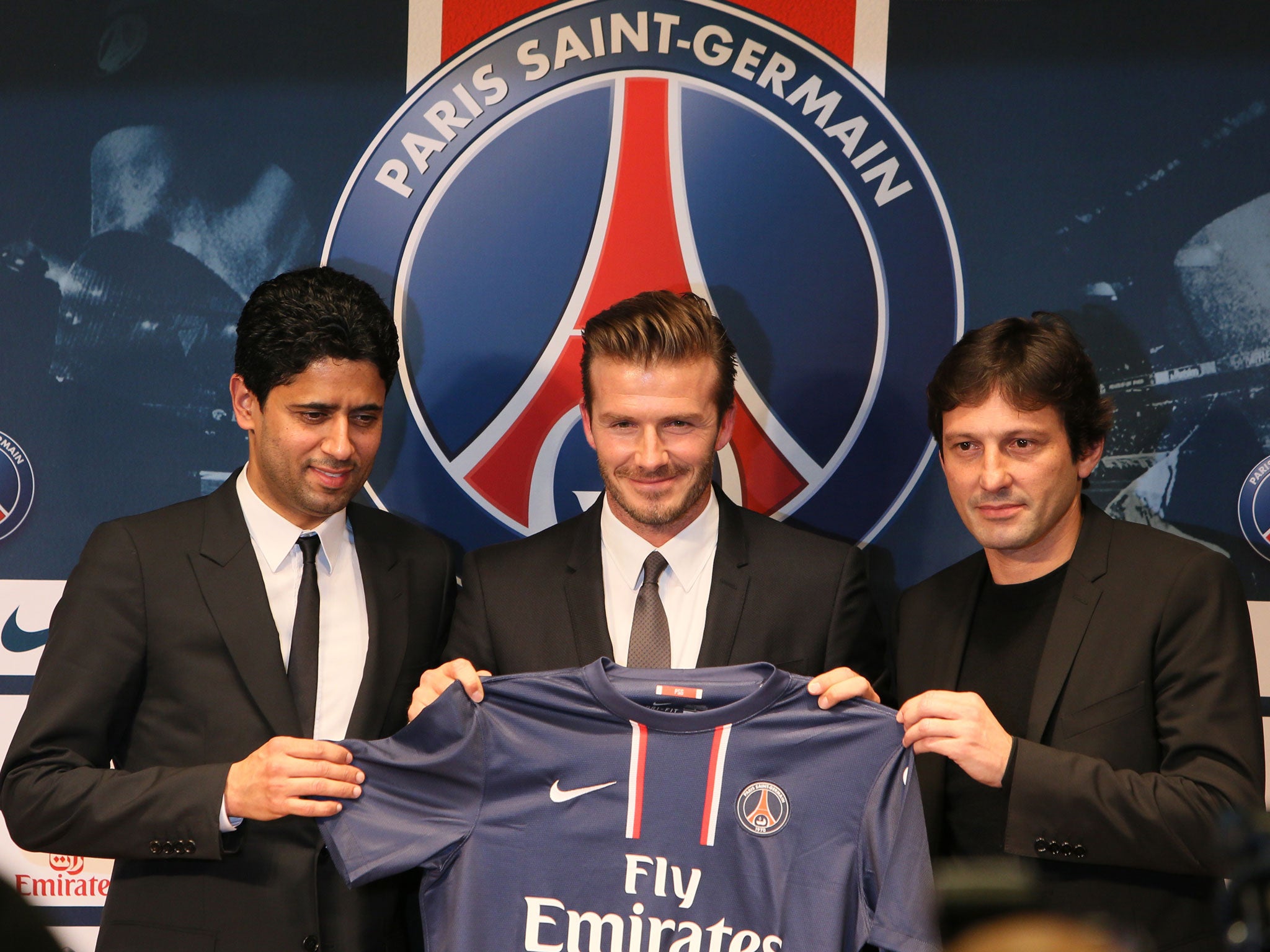
In 2009 the 34-year-old defender launched the Rio Ferdinand Foundation to help train young people from socially-disadvantaged backgrounds. Throughout the football world acts of philanthropy continue to inspire – yet go largely overlooked. David Beckham made the headlines by unexpectedly announcing that he was giving his entire salary from Paris St. Germain to a children’s charity in France but other footballers have been making similarly notable gestures for years. The former Chelsea striker Didier Drogba had a hospital built in Abidjan, Cote d’Ivoire by donating the £3m fee he received from an endorsement deal with Pepsi. Ex-Liverpool forward Dirk Kuyt has a foundation that helps handicapped athletes - a benefactor recently came in the form of his Dutch teammate Robin van Persie, who donated the £30,000 cheque he received for being the Premier League's top scorer last season. Real Madrid star Cristiano Ronaldo handed over £100,000 to fund a cancer centre in his native Madeira after his mother was treated for the illness there. The list goes on.
In this testing economic climate few could argue that the world’s top footballers deserve what they earn in relation to how much we pay our nurses, paramedics or members of the armed forces. But when you consider just how much money is being poured into the game from global blue-chip sponsors and via the ever-growing TV rights deals, it seems only right that the players get their share of the spoils.
And when you know that Lionel Messi is putting some of that £250,000 a week towards building a desperately-needed education centre in an impoverished district in Anatuya, northern Argentina it makes the whole concept a lot more palatable.
Yes they may have a questionable taste in watches, cars and homes – but footballers are the self-made millionaires of sport. They deserve to be lauded for their success and all the rewards that come with it.
Amar Singh is Managing Editor of Goal.com
Join our commenting forum
Join thought-provoking conversations, follow other Independent readers and see their replies
Comments
Bookmark popover
Removed from bookmarks