Questions raised over ‘truth serum’ interview for suspected Aurora shooter James Holmes
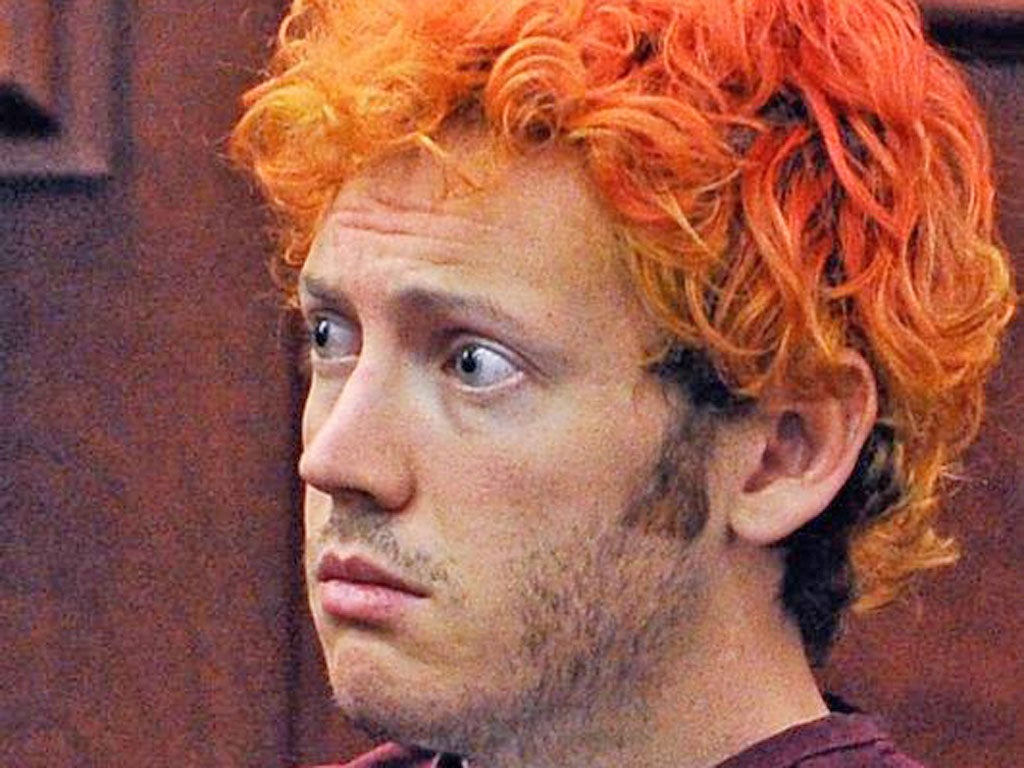
A Colorado judge has given permission for James Holmes, the suspected Aurora shooter, to be interviewed using intravenous injections of so-called "truth serum" if the defendant pleads not guilty by reason of insanity.
In the event of such a plea the prosecution will be allowed to administer a barbiturate to Holmes as they question him. Sodium Amytal is typically used in such cases, and while the drug does not encourage "truth telling" per se, it lowers inhibitions and prompts a willingness to talk. It is hoped that, should the defendant be 'putting on' insanity, the drug will expose his deception.
But a number of critics have spoken out in wake of the decision. "[This treament] is unproven in its ability to produce reliable information and it's not a standard procedure used by forensic psychiatrists in the assessment of the insanity defense" Dr Steven Hoge, a clinical professor of psychiatry at Columbia University, told ABC News.
Salon's Natasha Lennard reports on the ethical doubts. First seen in the 1940s, when a psychiatrist claimed to have exposed the malingering of a group of soldiers, many object to using a medical drug for nonmedical purposes.
Moreover, Slate's Brian Palmer says there are better ways of proving or disproving insanity. It's hard to keep up the deception 24 hours a day, he notes, and patients like Holmes are often subject to round-the-clock monitoring.
Join our commenting forum
Join thought-provoking conversations, follow other Independent readers and see their replies
Comments
Bookmark popover
Removed from bookmarks