Skyscrapers: Inside the power of the tower
A meeting of wealth and innovation – the skyscraper is the defining symbol of our age. A new book dissects the workings of our megatowers. Will Dean meets its author
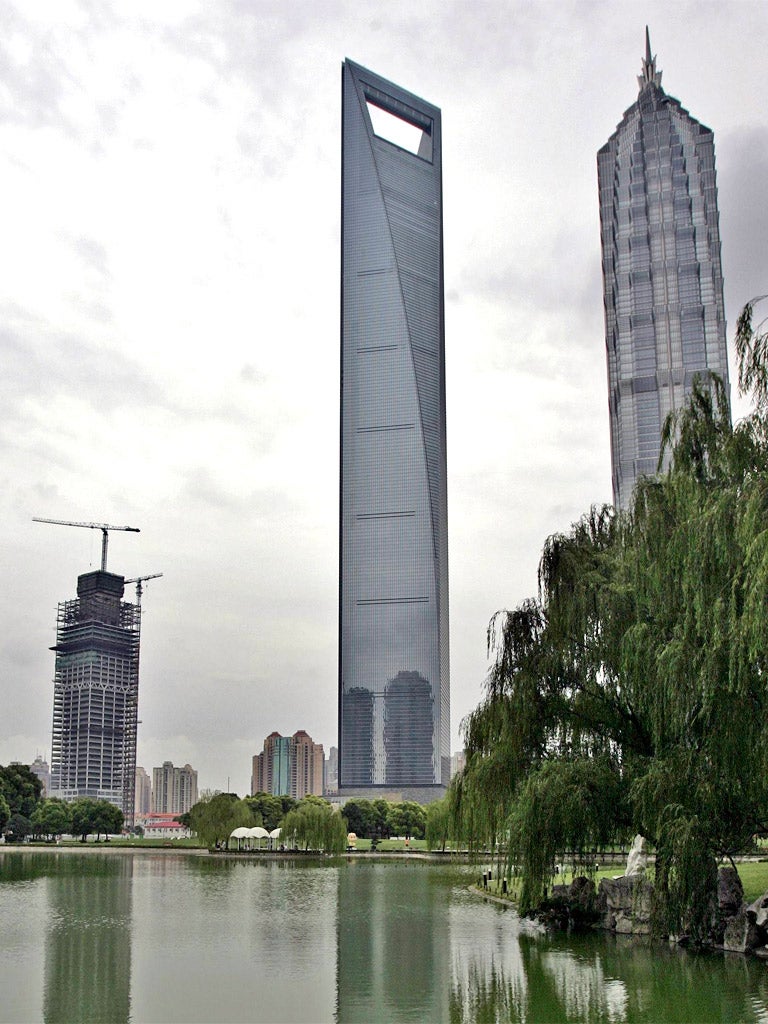
Images of diaphragm walls, skeletal frame systems and elevator shafts might not sound like a colourful depiction of the high life, but a new intricate detailing of the inner workings of the mighty skyscraper might well be one of the most interesting books published all year.
The Heights by Kate Ascher is like a super-detailed Dorling Kindersley book for adult nerds – mixing facts with the hyper-complicated realities of building a giant tower.
Created in collaboration with 13 different designers, The Heights tells the history of the skyscraper as a concept from early skyscrapers like The Home Insurance Building of Chicago (considered to be the first skyscraper as it supported its own weight) through to the modern "supertalls" like the Petronas Towers in Malaysia and the Shanghai World Financial Center.
Ascher, who spent a decade living and studying in London, works for engineering giant Buro Happold's consulting arm Happold Consulting. This, and her previous job in property, gave her access to the engineers and architects who build and plan these vast towers. She explains everything from how dampers (which prevent movement from the wind) work and how concrete can be pumped from the ground to construction level, half a mile up.
The skyscraper – as a combination of commerce, engineering, architectural prowess and living – is arguably the defining symbol of modern life. But it was the vast systems that make them work that first intrigued Ascher: "I was interested in how the systems in a building connect in a particular place – a building – as opposed to all these far-flung systems [of a city]," she says.
It took her around a year to talk to experts and work out how to articulate the myriad systems that make up the skyscraper. Though Ascher concentrates on the basic framework for a "typical" skyscraper – there are obviously constant changes in the limits of what giant buildings can do – The Heights also covers specific examples of innovation from the bullet-shaped, counterweighted lifts in Taipei 101, which rise at 915m per minute (or 34mph); to the window-washing booms that had to be custom-built to navigate the curved geometry of the Petronas Towers.
Ascher found time to write The Heights because of the US property market's collapse. Three years later, a number of towers that were commissioned during the peak years, like the Shard in London, are nearing completion.
"Those really tall building are always started in the middle of a bubble because everybody is so excited, they think that the world is unlimited and we can just build tall and land prices are going to continue to go up," she says.
"They all take so long that, very often, by the time they're started the real estate market has turned and you're left with not quite a white elephant, but something along those lines." Is that likely to be the case for London's Shard, which one critic called "a physical demonstration of the completely disproportionate distribution of resources and potential in our society"?
Ascher suggests that its ascent during troubled times will be quickly forgotten, much like the world's most famous building, the Empire State, which was built in 1931 at the height of the Great Depression. "In five years no-one's going to be saying that about the Shard," says Ascher, "it's just going to be a nice building and everyone will look at it and say 'isn't that interesting?' If there's a market for it then people won't question how odd it was to put it up."
The materials and demands put upon skyscrapers mean that they won't last for ever – despite the innovations outlined in the book. But, as a defining symbol of the 20th and 21st centuries, it's fair to suggest that these buildings are our own societal monuments. "People have always liked tall things," Ascher agrees. "We still keep the pyramids around, we still keep the gothic cathedrals around. While the skyscrapers aren't built to last anywhere near as long, I think as long as people like cities and coming together they will remain a representation of what people have always liked – height as power; height as statement."
'The Heights: Anatomy of a Skyscraper' by Kate Ascher is out now (The Penguin Press, £25).
How skyscrapers are getting green
The construction of a new tower obviously creates a huge carbon footprint.
Solar power
4 Times Square, New York City (opened 2000)
A lack of flat surface area makes solar power inefficient in skycrapers (like trying to get a suntan while stood up). The first major application in the US was at 4 Times Square, which features panels placed between the 37th and 43rd floors on the building's south and east facades. They've contributed only a fraction of the energy that was hoped for.
Geothermal energy
HSB Turning Torso, Malmö, Sweden (opened 2006)
Santiago Calatrava's twisted building takes advantage of the Earth's heat by taking energy from holes drilled miles down into the earth's crust, where pressurised steam is pumped to a Swedish power plant.
Fuel cells
1 World Trade Centre, New York City (opening 2013)
Fuel cells are electromagnetic devices that combine hydrogen and oxygen to produce energy. The largest fuel cell installation in the world is currently planned for the skyscraper that will replace the Twin Towers.
Wind power
Bahrain World Trade Centre, Manama, Bahrain (opened 2008)
Wind power, as any skyscraper designer knows, is much more powerful at a big height. Which is why this Bahraini building is designed to funnel surrounding winds into the center of the two sail-shaped towers, which then spin the turbines attached to the three sky bridges that link the two buildings. They're expected to produced 10 to 15 per cent of the building's energy.
Join our commenting forum
Join thought-provoking conversations, follow other Independent readers and see their replies
Comments
Bookmark popover
Removed from bookmarks