Walcott's meditation on dying wins poetry prize
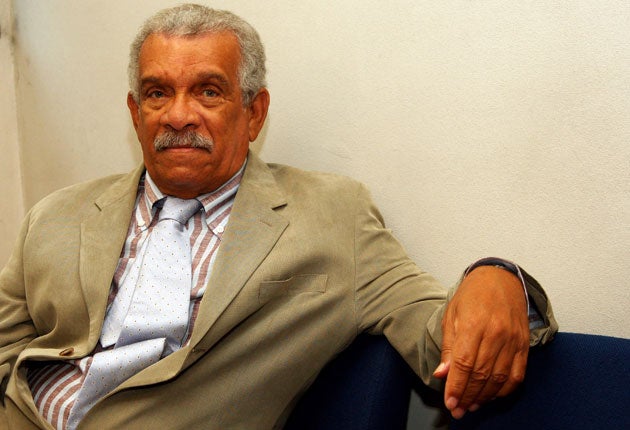
Nobel laureate Derek Walcott was honoured with Britain's most prestigious award for poetry last night when he won the TS Eliot prize.
Judges singled out his collection White Egrets as "possibly the last from the hand of the master".
The highly-acclaimed meditation on ageing and dying in his native Caribbean was published in the aftermath of Walcott's withdrawal from the race to be Oxford Professor of Poetry amid a smear campaign in which decades-old claims of sexual harassment by a student resurfaced during a bitterly fought election.
The eventual winner, Ruth Padel, eventually resigned her position fiercely denying any involvement in behind-the-scenes briefings against her opponent but not before the English-speaking poetry establishment had been scandalised by the unlikely turn of events among its greatest living practitioners.
Walcott was unable to attend the ceremony at the Wallace Collection in London. He was instead celebrating his 81st birthday in St Lucia where the event is marked by a national holiday. He was informed of the news of his victory by telephone.
Anne Stevenson, chairman of the three-strong judging panel, paid tribute to Walcott, who beat strong competition from Seamus Heaney and Simon Armitage to be awarded the £15,000 cheque.
She said Walcott was a true inheritor of Eliot's vision for the future of poetry, describing White Egrets as a "moving, risk-taking and technically flawless book by a great poet".
On Sunday night, more than 2,000 poetry lovers filled the Royal Festival Hall to listen to a series of readings by the 10 shortlisted poets, each of whom receive £1,000. Organisers said the scale of interest in what former poet laureate Andrew Motion described as "the prize most poets want to win" showed that the literary form continued to command a wide and passionate following. Previous winners of the award established 18 years ago to mark the 40th anniversary of the Poetry Book Society include Ted Hughes, Don Paterson and current Poet Laureate Carol Ann Duffy.
Both Walcott's grandmothers were the descendants of slaves and his work has brought to a wider audience the everyday experience of the Carib-bean and the bitter inheritance be-queathed by European colonialism.
He spent many years teaching in Boston in the US. It was during his time there, in 1982, that an allegation from a female Harvard student arose, which led to his withdrawal from the Oxford professorship. An anonymous letter sent to 100 Oxford academics included photocopied pages from her book about campus sexism entitled The Lecherous Professor, containing the claim that Walcott had asked her to "Imagine me making love to you. What would I do?" Another allegation emerged from 1996 from a second student, also in Boston.
Announcing his withdrawal from the contest – in which he was seen as frontrunner – in 2009, he said: "I am disappointed that such low tactics have been used... and I do not want to get into a race for a post where it causes embarrassment to those who have chosen to support me... or to myself."
Join our commenting forum
Join thought-provoking conversations, follow other Independent readers and see their replies
Comments