Days of God, By James Buchan
A gifted historian delivers a riveting account of modern Iran – but why the kid gloves for ayatollahs?
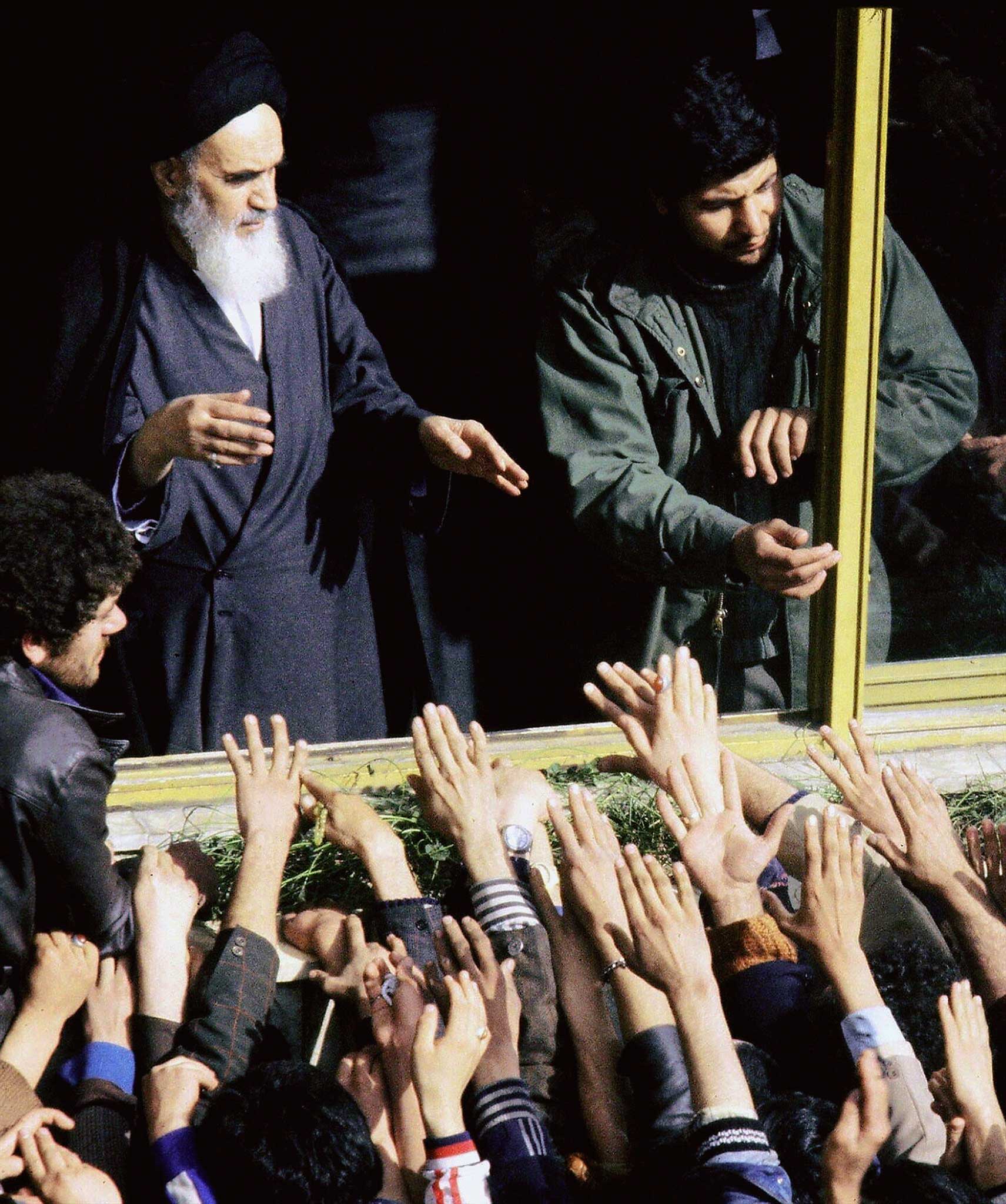
As prospects of military action against Iran loom, former Middle East correspondent and novelist James Buchan dissects events leading to the 1979 Revolution. The ubiquity of the West in Iran's tumultuous history is laid bare. Reza Pahlavi was shoehorned into the throne in 1926 by the expedient British.
Reza's rule was secular, curbing clerical privileges, taxing the public, and introducing Western dress. The British forced his abdication in 1941. His son Mohammed Reza succeeded him. Under both Pahlavis, Iranian revenue rose a thousandfold due to oil, but the "Shah" Mohammed Reza spent billions on arms from Britain and the US.
Mossadeq, the left-wing, secular, pro-democracy prime minister from 1951, was hugely popular and nationalised the oil industry. M Reza relinquished power. Britain had become accustomed to obtaining Iranian oil cheaply, complained to the UN and sent warships to the Gulf. The US and Britain feared Mossadeq's leftism, and returned M Reza via a coup.
M Reza introduced women's rights and land reforms, but the Savak secret police and his prisons killed opponents, real and imaginary. He lavished money on himself: celebration of his reign in Persepolis in 1971 cost $16.6 million. Support for the Shia clergy rose. The cleric Khomeini fomented hatred of the West, and advocated an Islamic state. He returned from exile in 1979, and M Reza defected. M Reza' s "friends" in the West deserted him. The section on the 33 years of the Islamic Republic since the revolution is chilling, stained with the blood of thousands who voiced dissent.
Buchan's prose is excellent, with the vocabulary, range and atmosphere of a literary master, the clout of the sharp historian, and the ability to leaven history with fascinating snippets of intimate information, delightful, droll, or horrifying. His research is thorough, with hundreds of sources. I have a few cavils. Chapoor Bakhtiar, the French Resistance-helping democrat whom M Reza made prime minister as a last resort, and other secular dissenters, are not allocated enough space. Nor is Mossadeq. Bewilderingly, while the failed assassination of Bakhtiar is mentioned, there is no word of his barbaric murder in 1991.
Buchan toes the respectful liberal line towards Islam, labelling as "obnoxious" Reza's orders for veils to be removed from women, his removal of clerical control of charity, and his decision that religious education wasn't mandatory. By contrast, Buchan passes no judgement on the obligatory veiling introduced post-revolution, nor on Khomeini's fatwa on Salman Rushdie. He neglects to mention Khomeini's lowering of the age at which girls could legally be "married" to nine. The grotesque rape of females awaiting execution is mentioned, but rape has been widespread against the Greens, the largely middle-class protestors.
The fate of homosexuals in the regime is not touched on, and anti-Semitism is limited to a single paragraph in the epilogue. Barbaric punishments such as stoning for adultery are unexplored.
Buchan wrings out compliments for the religious fundamentalists: Fazlollah Nuri, who ranted against the West and brought in a ruling in 1907 that no law could contradict Islam, is praised as "courageous" and "learned". Such plaudits are not shown to Mossadeq or Bakhtiar. The anti-West, fervently Islamic goals of the assassin Navvab Safavi are described as "an old fashioned vision... [which] for some Iranians still has its charms". It is as if this brilliant, accomplished author is afraid of offending Islam. He also fails to clarify that some of the exultation greeting Khomeini was joy at the fall of autocracy rather than support for clerical leadership.
Still, this is a compelling, beautifully written history of a country which has produced great literature, art, and a warm people whose lives have been manipulated by other countries with ulterior motives and by their own autocratic and theocratic dictators.
Join our commenting forum
Join thought-provoking conversations, follow other Independent readers and see their replies
Comments