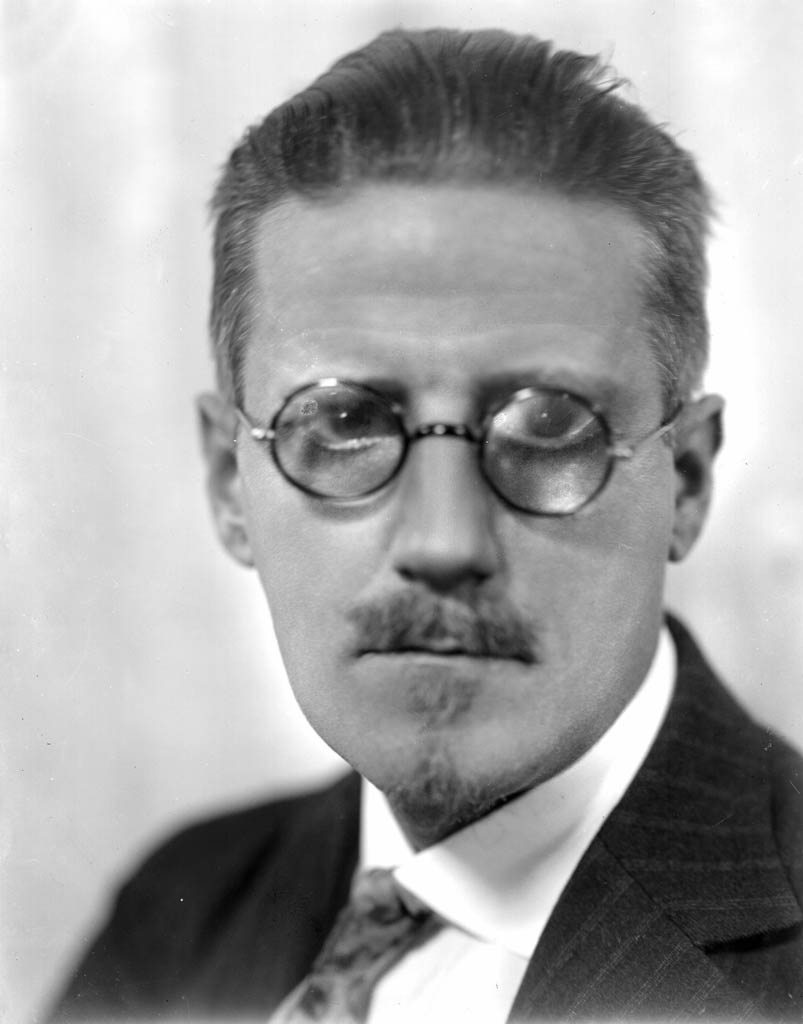
Enrique Vila-Matas makes new literature from old. His novels previously published in the UK, Bartleby & Co and Montano, combine appreciation of the finest works with notes on the evanescent nature of the reading experience. His writing is filled with withdrawal and disappearance, and so it is with Dublinesque, one of the most pleasurable and joyous novels of the year, which takes as its springboards James Joyce, Samuel Beckett and Philip Larkin.
These three are at the heart of the book, but it's crammed to the edges with writers, all of whom seem suddenly necessary to the reader - Gracq, Perec, Walser. The Barcelona writer has a gift for irresistible précis on them all. Carlo Emilio Gadda was "a neurotic as admirable as he was phenomenal ... And everything he did was incomplete. In a short article about risotto alla milanese, he made things so complicated that he ended up describing the grains of rice, one by one, and naturally was unable ever to finish the text."
The hero of Dublinesque is Riba, a former literary publisher from Barcelona, and most of the writers praised are those he has published. Riba now spends most of his time on the internet. He needs to find something to do, both to conceal his retirement from his elderly parents, and to resolve his sense that "the list of books I have published seems to have obscured forever the person behind the books. I, in short, am missing."
His solution is literally to follow a dream and go to Dublin. He tells his parents that this is to deliver a lecture on Ulysses and "the Gutenberg constellation giving way to the digital age". One reason he gave up publishing was his unwillingness to publish "gothic vampire tales and other nonsense now in fashion".
He fills out his plans, invites some friends, and the journey becomes its own purpose. In Dublin, Riba laments his failure to publish a genius, a "giant of literature". He worries about the death of literary publishing, and readers who "fail writers when all they ask of them is confirmation that the world is how they see it".
This is what Riba calls a "slow novel", though one not without plenty of "neurotic electricity". It has the air of a walk taken, like Bloom's in Ulysses, the traditional device to make discoveries through changing surroundings, to develop a narrative that moves like the activity - meandering, discursive. Riba "has always admired writers who each day begin a journey towards the unknown and who nevertheless spend all their time sitting in a room". Good books, like those Dublinesque celebrates - like Dublinesque itself - permit the same inner travel in the reader.
The story disappears, like the vanishing characters, under the mass of literary references. Yet Vila-Matas maintains an extraordinary lightness of touch, retained in Rosalind Harvey and Anne McLean's translation. Dublinesque reports on and exemplifies the ungraspability of literature, from the point of view of a man who "is trying to learn to say goodbye to everything". It holds its own even when quoting Ulysses, and is sure to send anyone scuttling back to that book.
Vila-Matas's celebration of other Irish writing ranges wide, not least in Brendan Behan's New York. "I will have forgotten this book long before you have paid your money for it," said Behan. But to Riba, the book is "the greatest happiness", and even stands comparison with parts of Ulysses. This would have pleased Behan, who felt that "Shakespeare said pretty well everything, and what he left out, James Joyce put in".
Join our commenting forum
Join thought-provoking conversations, follow other Independent readers and see their replies
Comments