The Stones of London: A History in Twelve Buildings, By Leo Hollis
London's history has been told by countless authors. Its biography has been written and rewritten. Its criminal underbelly has been scoured, its subterranean landscape crawled through and its transport systems charted. Its mad have been placed on the couch, its poor pored over and its rich laid bare. So, even for a history fan with a taste for the place, it takes a clever theme or a neat gimmick to make yet another account of the capital's past seem appealing. Leo Hollis's is to explore London's history through 12 buildings.
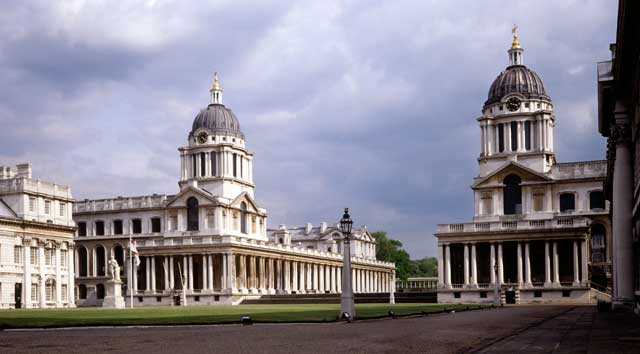
Mercifully, there's no hand-wringing from the author about how he went about choosing these structures. They are not necessarily the "finest or most famous of each era" but places, he explains, that "reveal an essential narrative of the city". Pleasingly for the history buff who likes to visit places they read about, "each of the buildings, places and remnants in this book can still be found today in various states". These are the Temple of Mithras, Westminster Abbey, The Royal Exchange, Greenwich, 19 Princelet Street, Home House, Regent Street, The Houses of Parliament, Victoria Embankment, Wembley Stadium, Keeling House and 30 St Mary Axe. It's a mixture of grand architectural projects, feats of engineering, reworkings of old quarters and domestic and suburban dwellings.
The chapters run chronologically, and although there is a great deal said about the architecture of the chosen 12, The Stones of London is more than simply a dissection of each blueprint. Each chapter is a separate tale of a part of the city and the social, financial, religious and legal forces that formed it. And while the shortlist used as wayposts through the past inevitably means missing many of London's landmarks, many famous places crop up in entries nominally about others.
So in recounting John Nash's inspired but slapdash approach to urban planning as he created Regent Street, we learn about how the Prince Regent splashed his cash and why Buckingham Palace was something of a damp and dreary also-ran as royal addresses go. In outlining the huge changes that Joseph Bazalgette's Victoria Embankment brought, the stories of the urban poor and modern medicine, cutting-edge technology, political corruption and the birth of London Underground also bubble to the surface.
In Hollis's previous book, The Phoenix, he used the lives of five men (Sir Christopher Wren; the gardener-diarist, John Evelyn; the scientist, Robert Hooke; the philosopher, John Locke and the builder, Nicholas Barbon) as the prism through which to view the birth of London after the fire of 1666. Wren and Barbon (one of the city's first property speculators) appear again here. They join a cast of Roman soldiers and 18th-century silk weavers, egotistical engineers and sugar-plantation heiresses, post-war planners and society architects.
While Hollis is excellent on history, I found that his final chapter on modern and future London veered off into a mishmash of social-networking speak, architectural jargon and an all-too-brisk summing up of the whole book. The only other disappointment was the rather mean selection of pictures. While there are eight glossy pages in the centre of the book and the odd engraving throughout, I could have happily looked at 10 times that number of images in a bid to imagine the buildings detailed so lovingly. These complaints aside, this is an imaginative book that finds a convincing new way to tell the story of one of the most written-about cities in the world.
Join our commenting forum
Join thought-provoking conversations, follow other Independent readers and see their replies
Comments