What Has Nature Ever Done For Us?, By Tony Juniper
This remarkable book brings into focus a revolution in ideas about the true value of the natural world
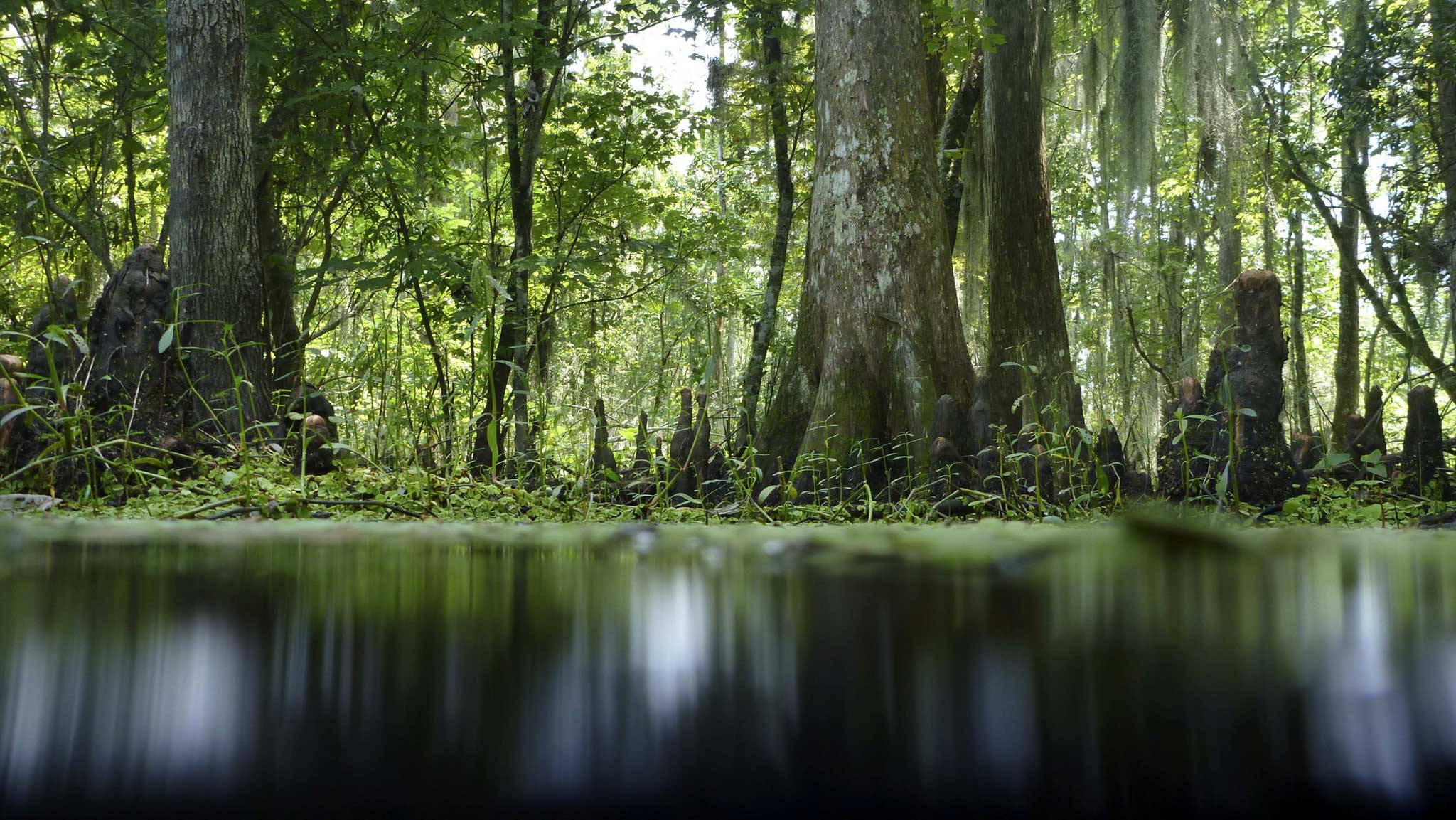
Mangroves are the salt-water woodlands found fringing many coastlines in the tropics. Imagine this: the authorities in coastal zone X, with a rapidly expanding city behind it, decide to cut down its mangrove swamps because the shallow waters in which they are rooted provide an ideal site for shrimp farms. If developed properly, those shrimp farms might produce, say, two million dollars' worth of exports over five years.
Sure-fire business case. Fantastic. Fetch the chainsaws.
But mangroves are not just floppy trees with their feet in the water. They provide natural protection against storms and tidal surges. Let us say that after the mangroves have gone, a tidal surge occurs, perhaps even a tsunami, which sweeps over the shrimp farms and inundates the coastal region, and its city, to disastrous effect, and leaves the authorities with no alternative but to provide future protection by building a substantial sea wall. How much will the sea wall cost? Say $200 million dollars, over five years.
The mangroves did it for nothing. So $200 million dollars is their replacement value. And you got rid of $200 million dollars' worth of mangroves, for two million dollars' worth of shrimp farms?
That sort of calculation is making economists and finance ministers sit up and take notice. Yet already, says Britain's leading environmental campaigner Tony Juniper in his new book, more than a third of the world's original area of mangroves has gone. Some countries have lost four-fifths of what they had in recent times.
It is only after we have destroyed them, he tells us in What Has Nature Ever Done For Us?, that we have begun to realise that many aspects of the natural world - from coastal vegetation acting as a shield, to the pollination of crops by bees and other insects - provide essential services to human society. Artificial alternatives cost a bomb – if they can be done at all.
This realisation, that nature provides services to cherish, not just resources to be exploited, is little more than 15 years old. But it has been, to use Thomas Kuhn's famous phrase from The Structure of Scientific Revolutions, a true paradigm shift. Although lesser-known, in scale it is up there with the change from Keynesianism to monetarism; or from demonising homosexuality to full acceptance. It has started to transform the way governments view the natural world (and ito change the view of development specialists who once dismissed all environmentalists as middle-class birdwatchers). It offers genuine new hope for nature conservation; and it has already spawned a gargantuan literature.
Juniper's entertaining, immensely informative and passionate book is very timely. It is the first detailed popularisation of this crucial shift in thinking. The former head of Friends of The Earth, he is widely admired for his fluency and common sense. Over 300 pages he provides a comprehensive yet very approachable litany of the essential services nature provides for us, beginning at the bottom with the benefits of soil (eroded over much of the world) and of photosynthesis, the process by which plants convert sunlight into chemical energy. He ranges from the supply of fresh water to natural pest control and pollination, offering the cautionary tale of Maoxian county in Sichuan, China. There pollution and pesticides have killed off all the bees, and thousands of fruit farmers have to pollinate millions of blossoms by hand.
Even more remarkable is the case of India's vultures, which virtually vanished when the cattle on whose carcases they fed – untouched by the population for religious reasons – were treated with an anti-inflammatory drug, fatal to the birds. The unscavenged carcases provoked an explosion in dog numbers, which led in turn to a big rise in the incidence of rabies. Unsuspected connections, unsuspected but essential services: Juniper lets us see them all, with the warning: "much of what nature does for us is in decline". This is one of the most stimulating environmental books of recent years.
Join our commenting forum
Join thought-provoking conversations, follow other Independent readers and see their replies
Comments
Bookmark popover
Removed from bookmarks