Cacophony of sound? People cough on purpose during classical concerts, research finds
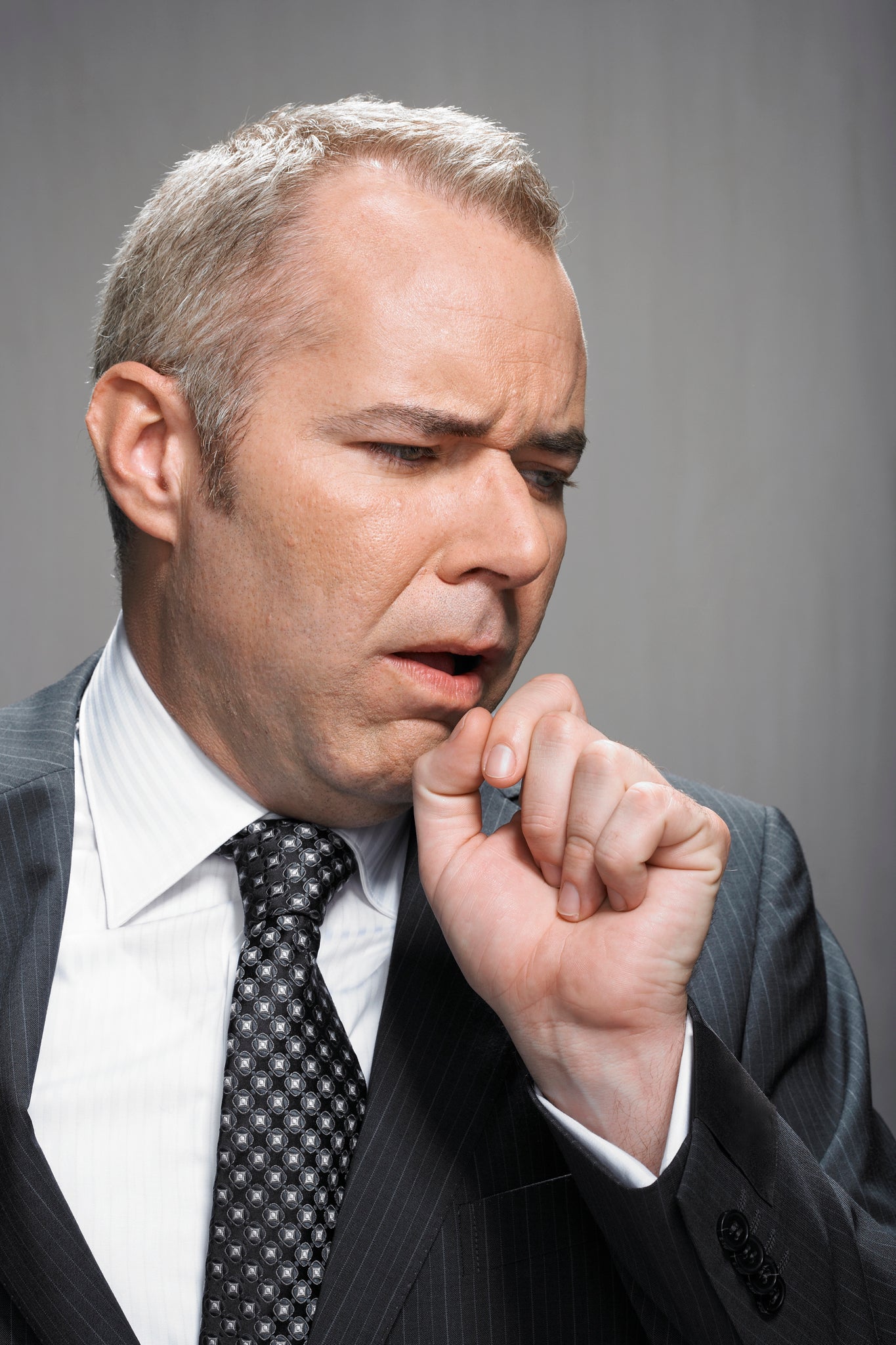
Classical music fans regularly complain that their enjoyment of concerts is ruined by the coughing and hacking of their fellow audience members. New research has suggested they have good cause to complain; people cough twice as much during a classical concert and what is more, many do it on purpose.
Interruptions of various kinds have long been a problem not only for audience members, but the performers as well, and coughing seems a particularly egregious offence.
The pianist Alfred Brendel once warned his audience: “Either you stop coughing or I stop playing,” while Baritone Thomas Quasthoff said: “Do not cough until the concert is ended. Because I love this music so much.”
In the new report Why do people (not) cough in concerts? The economics of concert etiquette Professor Andreas Wagener from the University of Hannover has examined the extent of coughing in concert halls and what is behind the phenomenon.
“Substantial evidence suggests that coughing in concerts is excessive and non-random,” he said although admitted he did not have a full theory behind the rise in coughing at a concert.
The average concertgoer, the report said, coughs at 0.025 times a minute, which would work out at 36 coughs on average a day, double the normal average. “If coughing were purely accidental, it should occur evenly distributed over the concert, which is not the case,” the professor added.
The volume of coughing tends to increase in slow, quiet moments of the performance or during unfamiliar or complex pieces, and the report added that “coughs in concerts are mysteriously contagious”. The professor described it as “coughing avalanches”
Professor Wagener believes that coughing in concerts can be “switched off” referring again to Brendel whose concert was uninterrupted after he told the audience to “cough more quietly”.
Research by James Pennebaker showed in 1980 that the larger the audience, the more coughs per person and the professor added: “Coughing and its suppression are to a substantial degree wilful actions.”
Concert etiquette evolved in the first half of the 19th century and previously had been informal where audience members wandered in and out, showing their approval or disapproval loudly.
Potential reasons include the older than average audience, a group more likely to suffer from hypertension or congestive cardiac failure. One medication of choice, ACE inhibitors, have the side effect of a dry cough.
Yet, this could not explain the rate of coughing and “concert coughs, thus, must be regarded as wilful and voluntary to a substantial degree,” he said.
The report suggested several motives including coughing as “one of few acceptable ways of active participation within strict concert etiquette” adding it could be to “test unwritten boundaries of courtesy, to comment on the performance or simply document one’s presence”.
Sir Colin Davis, a conductor, said he thought audiences coughed out of boredom. Mr Pennebaker found coughing went up among moviegoers for boring parts as they offer “less information to be processed by the viewer and consequently increase the probability of a viewer’s attendance to potential irritations of his throat”.
Professor Wagener added one reason for coughing could be to substitute other “illicit” ways of expression such as shouting, walking away or shuffling as it could be put down to a health condition.
Not everyone disapproves of audience noise. In composer John Cage’s three-minute movement 4’33” performers do not play their instruments and the ambient sounds become the performance.
Join our commenting forum
Join thought-provoking conversations, follow other Independent readers and see their replies
Comments