Oasis - Don't look back in anger
Noel Gallagher's decision to quit Oasis is years overdue, says Nick Hasted. The band were no longer relevant. And yet there is much to celebrate about their Champagne Supernova
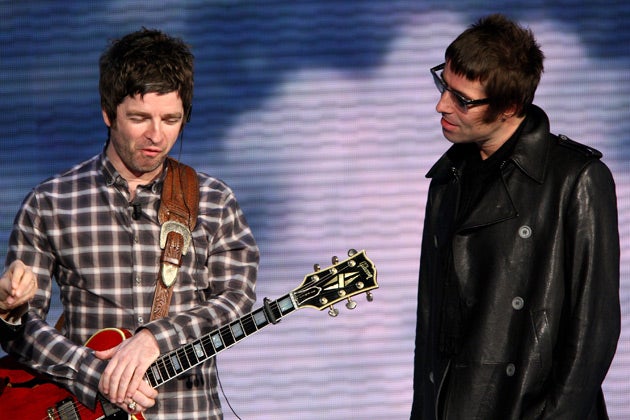
When the end finally came for Oasis, it did so with a whimper. The violent altercations between the Gallagher brothers, a source of knockabout humour in the good days, had turned sour and abusive, said Noel, so he walked out with relief. One of the biggest bands in the history of British rock had just imploded, and the music world reacted with a bored shrug. Everyone, it's quite clear, had lost interest long ago – Oasis, perhaps, most of all. It makes you wonder what legacy all those tens of millions of the band's albums in homes worldwide amounts to. What mark have they left on the rock history books that they were more in thrall to than any band before them?
The ledger looks thin to most critics, these days. It has been more than a decade since Oasis made an album that mattered for any reason other than to justify another money-vacuuming tour. In that sense they were like the modern-day Stones, 20 years earlier in their careers. Watching last year's shows in Liverpool and London, with Noel, wounded after a moronic fan crashed into his ribs, hunched in the shadows, and Liam still standing motionless, singing the same old hits, Oasis looked like a rusting machine, running down fast.
Their lasting influence on music seems at first to be unremittingly awful. The critical fashion for bands of angular intelligence and artful arrangements, for Arcade Fire, Fleet Foxes and the rest, is in response to a so-called "indie landfill" of their desperately unimaginative guitar-toting peers. That hole seems populated entirely by Oasis support acts: The Enemy, The Fratellis, Twisted Wheel. It was fellow Mancunians The Stone Roses who first let the British musical clock, relentlessly futuristic till then, turn back to acknowledge The Beatles, in 1989, while welding them to brand-new acid-house. Oasis only looked at rock's past, permitting no future in a way Johnny Rotten never meant. Noel's kneejerk protest at Jay-Z's Glastonbury appearance last year said everything about a band paralysed with fear of progress.
But there is a flipside to Oasis's influence. The exhilarating, arrogant demand for success of early songs such as "Rock'n'Roll Star", delivered by council estate kids from Burnage with nothing to aid them but the self-belief that burned through Noel's writing then, motivated a generation of working-class boys just as powerfully as punk. If Noel had nothing concrete to say to that generation once their dreams had awakened enough to pick up a guitar instead of working "when there's nothing worth working for", as Liam once sneered, he had still done more good than today's more refined indie kings.
The mass audience that resulted, filling global stadia irrespective of their creative decline, is Oasis's glory and curse. Theirs has always been the crowd most likely to hurl pints of piss and turn to violence, in a throwback to the rock shows of Noel's beloved 1970s. Horrified reports from their huge Manchester gigs this year even mentioned a man flinging his own excrement at those around him, as if there was something feral, barely human, about their fans. These hooligans were enfranchised by Oasis, and no other rock band. They are part of a football-style support; faithful as if to a home-town team, irrespective of form, and constantly replenished by fresh generations.
Other "people's bands" have followed in their wake. And not just the cluelessly conservative likes of The Enemy, whose album title We'll Live and Die in These Towns denies Oasis's dreams of escape. Fiercely intelligent, underestimated working-class bands in their teens and early twenties have also been inspired by the Gallaghers. At Oasis's Liverpool gig last year, I bumped into Dundee's The View, giddy with excitement at seeing their heroes. Uxbridge's brand-new 12 Dirty Bullets have the requisite football-style fans, but also a songwriter, Jamie Jamieson, who literately questions his environment as Noel never would. "They were massively inspirational," he tells me, "because they represent where we come from. Rock stars like David Bowie seem like they come from another planet. Oasis could be the lads next door, who just happened to take over the world."
Oasis's golden years were only ever short, stretching from their 1994 debut Definitely Maybe to 1996's Britpop Götterdämmerung at Knebworth, when 250,000 fans saw them over two days, the cocaine flowed, and the world seemed theirs for the taking. I was there as a fan, separated from friends for the whole long day, with no apparent prospect of getting home as the rain fell, and Oasis began. But when that impossibly huge crowd roared themselves hoarse as one to the communal anthems which every song on their first two albums had become, nothing else mattered to me. Rock hasn't had that warming generational unity since.
Noel Gallagher has admitted on many occasions since that that is when Oasis should have split. He knew it was the top, from which they could only fall. He said he didn't have the nerve to do what his hero Paul Weller had done with The Jam, that he had to keep his band-mates in jobs. It sounded bravely honest the first time, just sad every time afterwards. Oasis's legacy to Noel Gallagher had become one of him dutifully clocking on at stadia and studios, the opposite of the reason they formed.
Flicking through the channels the other day, I caught Noel singing "Half a World Away", the great old Oasis B-side The Royle Family uses as a theme song, this time alone with an acoustic guitar. It was deeply affecting, in a way not a second of his band's empty thunder was last year. The last remaining good thing Oasis can do is turn out the lights, and let their leader go. When not being closed-minded and cloth-eared, they have freed more people than we'll ever know. Noel Gallagher, unburdened from his dying creation, deserves no less.
Join our commenting forum
Join thought-provoking conversations, follow other Independent readers and see their replies
Comments