Beach litter survey reveals plastics toll
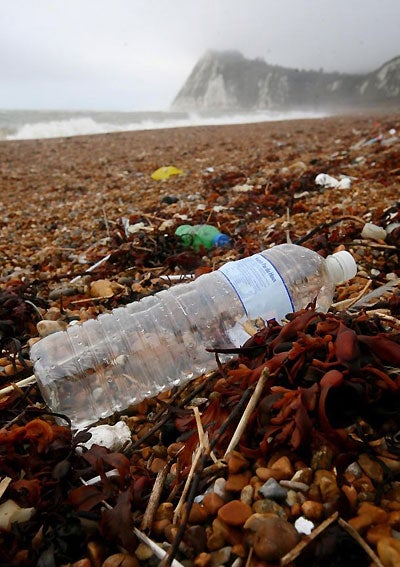
Piles of plastic rubbish, ranging from thousands of drinks bottles and carrier bags to a joke severed finger and a set of vampire teeth, were collected in the latest annual survey of beach litter.
Overall levels of rubbish on UK beaches last year fell by 16 per cent on 2008 figures, according to the Marine Conservation Society which organises the annual litter pick.
But the conservation organisation is concerned about the continuing problem of plastic waste, which it says is overwhelming UK beaches and harming wildlife.
The MCS Beachwatch Big Weekend 2009, which saw volunteers out on almost 400 beaches collecting and recording rubbish, picked up some 1,849 items of litter per kilometre - compared to 2,195 items in 2008.
But litter levels are significantly higher than when the survey started in 1994, with the amount of overall rubbish picked up increasing by 77 per cent and plastic debris rising by 121 per cent, the MCS said.
Plastic, from small shreds to carrier bags, made up almost two thirds (64 per cent) of the litter found, making up a higher percentage of the overall total than in previous years of the survey.
The conservation group is particularly concerned about plastic rubbish because of its damaging impact on wildlife.
From seals entangled in fishing nets and lines to leatherback turtles which have swallowed plastic, the rubbish kills and injures many marine animals every year, the MCS warned.
And instead of biodegrading, plastic breaks down into smaller and smaller pieces - and in some parts of the ocean there are now six times as many of these particles than there are plankton, the tiny organisms that form the bottom of the food chain.
The conservation group warned plastic fragments also attract toxic chemicals and then are eaten by marine animals, potentially providing a path for the toxins up the food chain to humans.
The list of most commonly picked up items from UK beaches was topped by small and larger pieces of plastic, which together accounted for a fifth of the items gathered up.
Food wrappers, plastic rope, plastic caps and lids, drinks bottles, fishing nets and cotton bud sticks - which are often flushed down the toilet and not caught by sewage works - were all among the top 10 most frequently found items.
Litter pickers found 16,243 drinks bottles, 7,393 plastic bags and 7,025 pieces of plastic cutlery, trays, straws and cups in the 185 kilometres (115 miles) of beach surveyed.
Volunteers also picked up some 11,670 cigarette butts, 9,662 pieces of glass and 8,890 metal drinks cans.
Stranger items collected included a laboratory incubator, a message in a bottle from "Sly Sally", half a boomerang and a pile of spring onions.
In total more than 2,700 bags of rubbish were collected - and the public was the biggest culprit for dropping rubbish, the MCS said.
More than two fifths of rubbish comes from people dropping litter on beaches, or inland where it gets washed to the sea by rivers and drains.
Debris from fishing, including ropes, fishing nets and lines from anglers, is the second biggest identifiable source of rubbish on beaches, while small percentages come from sewage, shipping and fly tipping.
The sources of more than a third of the rubbish, including small plastic pieces, could not be identified.
MCS litter projects officer Rachel Bailey said: "Our seas and beaches are becoming overwhelmed with plastic litter, which not only looks horrible, but kills and injures many of our fantastic marine animals.
"Over 260 species of marine wildlife become entangled in litter or mistake it for food."
Levels of litter in 2009 dropped in the north-east and across the south of England compared to 2008, but rose in the north-west, while Scotland and the Channel Islands both saw amounts of rubbish on their beaches fall.
Wales saw a rise in litter, while in Northern Ireland, the number of items of rubbish per kilometre had almost doubled on the previous year.
The UK's main political parties have all pledged to take action on tackling litter in the seas.
Environment Minister Huw Irranca-Davies said: "Britain's coastlines, beaches, and seas deserve better than to be treated as a dustbin.
"The mountains of waste which people leave behind are a risk to the health of both people and marine wildlife.
"MCS does fantastic work cleaning up our beaches but the best thing people can do to help is not leave their rubbish there in the first place."
Join our commenting forum
Join thought-provoking conversations, follow other Independent readers and see their replies
Comments
Bookmark popover
Removed from bookmarks