Emergency declared for Britain's wildlife
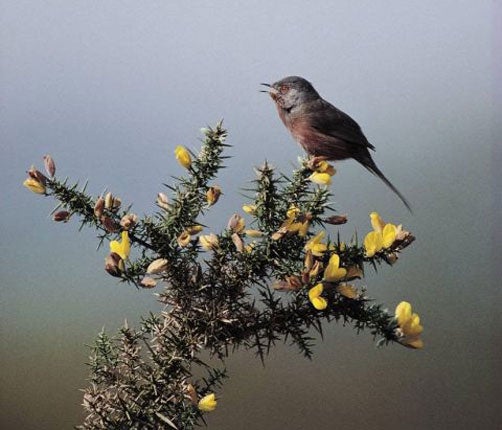
Britain is facing a winter wildlife emergency, the Royal Society for the Protection of Birds said yesterday, as the longest period of freezing weather for nearly 28 years looks set to continue for at least another week.
The severe chill which has gripped the country for nearly a fortnight shows no signs of easing, with easterly winds likely to bring more snow this weekend and beyond, and temperatures in most places staying stubbornly below zero, in the most enduring cold snap since the winter of 1981-82.
A "blocking anti-cyclone", a static area of high pressure over Greenland, is preventing warmer Atlantic winds from reaching Britain, with very cold air from the north and east predominating over the country. There is no sign of warmer conditions before the end of next week at least, the Met Office said yesterday.
And the sheer length of the freeze is now becoming critical for many wildlife species, said the RSPB – above all, birds, which are finding it impossible to feed, as the ground and many water bodies are frozen solid.
"This is a wildlife emergency," said Mark Avery, the RSPB's director of conservation. "Many birds cannot feed at all as the ground is frozen, and in many places their feeding places are also covered in deep snow. The long frozen period is even beginning to resemble the winter of 1962-63, which did more damage to Britain's birds than anything else in our lifetimes."
At the end of that winter, the coldest in the UK in the 20th century, many populations of common birds such as wrens had plummeted to tiny levels, and rare birds were hit even harder: when spring 1963 came, only 11 pairs of Dartford warblers were left in the country. The RSPB is appealing to people everywhere to put out food for birds in their gardens, and is going further: for the first time it is attempting emergency feeding for three rare and recovering species which will miss out on any garden food bonanza.
They are the Dartford warbler, found on heathlands, which will be fed on mealworms left on low-level bird tables in Suffolk and Dorset; the cirl bunting, found on farmland in south Devon, which will be fed on grain; and the bittern, the shy relative of the heron, which only eats fish and is finding life tough on frozen lakes and meres. RSPB volunteers are going to leave sprats out on top of the frozen ice at several nature reserves, where it is hoped that hungry bitterns will find them.
Other wildlife organisations, including the British Trust for Ornithology, the Wildfowl and Wetlands Trust and Natural England are urging people to minimise disturbance to birds such as ducks, geese and wading birds, as they need more energy than normal to keep warm. Disturbing birds by getting too close to them can cause them to fly off, expending their energy needlessly, and if they cannot find sufficient food to replace the lost energy they are "existing on borrowed time", conservationists warn.
Following 14 continuous days of freezing conditions, a temporary ban on shooting ducks, geese and wading birds has been introduced in Scotland, and for the first time in Northern Ireland. While the cold spell in England and Wales has not yet lasted long enough to trigger a legal ban, the British Association for Shooting and Conservation is calling on people to show restraint. "We are urging all shooters to assess their local conditions, and if they see birds in poor condition, or conditions are harsh, they should hold back from shooting ducks, geese and waders," said BASC spokesman Simon Clarke.
Join our commenting forum
Join thought-provoking conversations, follow other Independent readers and see their replies
Comments
Bookmark popover
Removed from bookmarks