Ravens cleared over collapse of waders
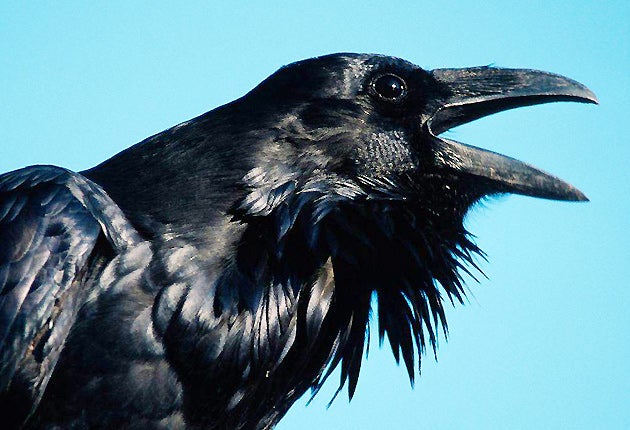
For centuries it has been demonised as a symbol of death and foreboding, driven to the lonely edges of the land by persecuting humans who grew to fear its ebony form among them. Yet the evil mythology that surrounds the raven is now being debunked by science and the reputation of the cronking gloom bird of the popular imagination restored.
New research has effectively dismissed one of the persistent complaints levelled by critics of one of northern hemisphere's most successful bird species in the wake of its extraordinary return to nearly all parts of Britain in the last 20 years - the claim that it is responsible for the collapse of some wading bird populations.
Numbers of curlew, lapwing and dunlin in upland regions have fallen by more than 50 per cent since 1985 - a decline which has closely mirrored the resurgence of Corvus corax in the same areas. A study by the RSPB and the University of Aberdeen's Centre for Environmental Sustainability (Aces) compiled from data taken from sites across more than 1,700 sq km of hill and moorland were analysed to see the patterns of change between the species.
It found only "weak associations" in the rise in numbers of one and the decline in the other with differences put down to other factors, including changes to habitat and vegetation cover and a general increase in other predators such as foxes. There were also no links found between the rise in ravens and the decline in numbers of snipe, golden plover and dunlin in upland areas which include Exmoor in Somerset, the Highlands in Scotland and the Lake District in Cumbria.
Dr Arjun Amar, a senior conservation scientist with RSPB, said that while many viewed the return of the raven as a welcome development in the changing natural history of the British Isles, it has brought land managers and conservation organisations into conflict. Farmers and game keepers can still apply for licenses to shoot ravens if their livestock is threatened. And the image problem remains deeply rooted even though they can now be found on the outskirts of London and in cities such as Chester and Bristol.
Dr Amar said: "We know that they predate and that other birds form part of their diet and people see them predating. Now we are more equipped with the facts about what they do and don't do. Distrust can be caused by ignorance but it can also be a result of individuals with very real concerns over them.
"Ravens have certainly featured prominently and been alluded to in a lot of literature. People see they are a bird that is ever present because they make a lot of noise and you can see them up on the hills where they make no effort to hide themselves away. Maybe that is why they are distrusted."
The raven population has more than doubled in the UK since 1990 due to less intense persecution and an increase in sheep numbers with more carrion. In pre-industrial times however they were plentiful and their carrion-eating ways saw them regarded as socially useful and afforded them protection under the law. Recent research has now shown that though ravens will kill sheep and lambs, the animals they target are usually sick and close to death.
The persecution reached a peak in the 19th century when one Scottish sporting estate alone despatched nearly two million birds over a three-year period. By the beginning of the last century poisoned baits were being used by gamekeepers and most areas in England and Scotland had been cleared. Today only the coastal counties from the Wash to Kent -with Cambridgeshire, London and Surrey - are believed to be without breeding ravens.
Join our commenting forum
Join thought-provoking conversations, follow other Independent readers and see their replies
Comments
Bookmark popover
Removed from bookmarks