The Antarctic is left defenceless to tourism
Tourism booms again, but continent has no mandatory protection against visitors
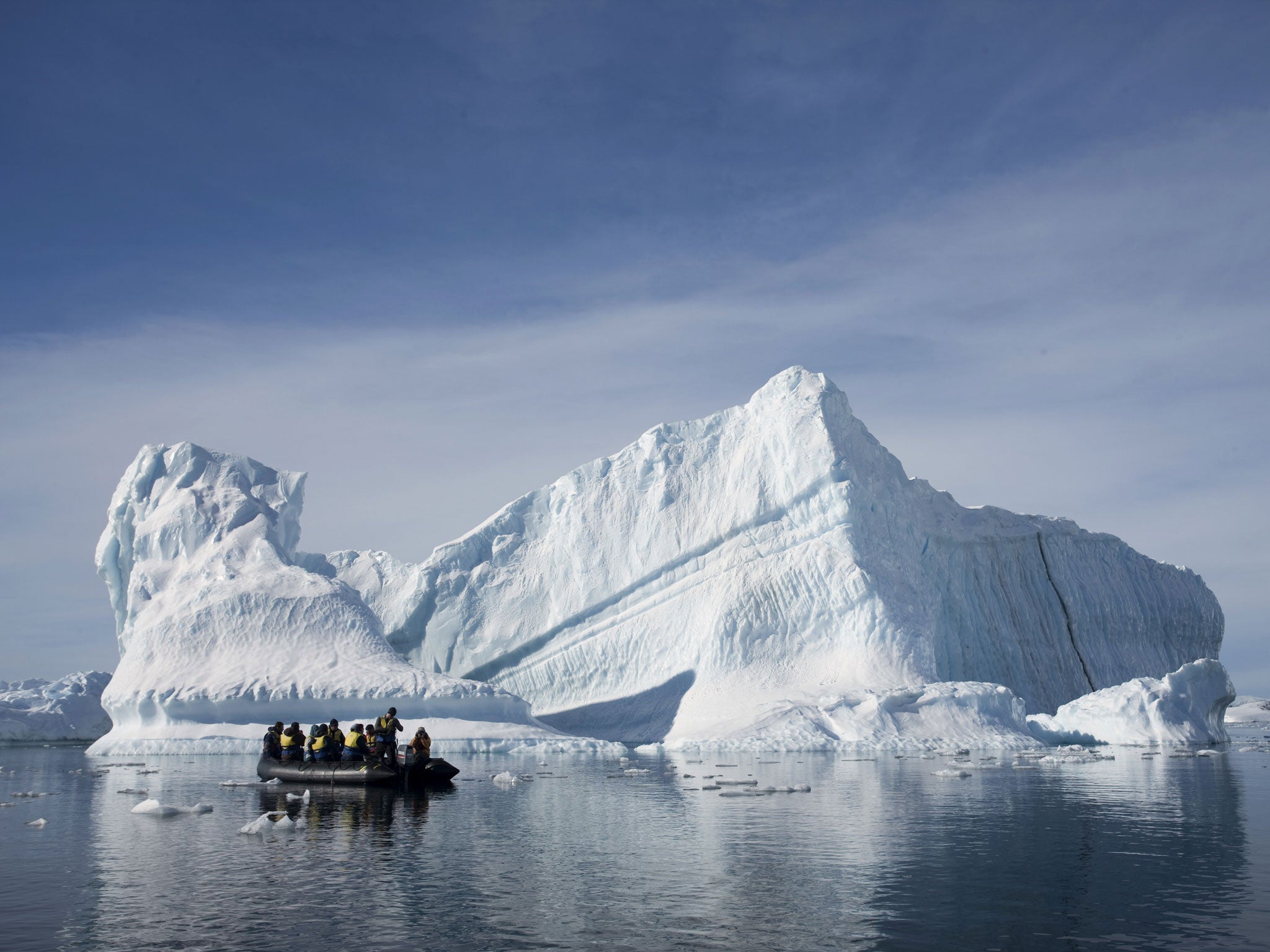
Across most of Earth, a tourist attraction that sees 35,000 visitors a year can safely be labelled sleepy. But when it's Antarctica, every footstep matters. Tourism is rebounding here five years after the financial crisis and is now growing fast, with the number of cruise ship passengers visiting doubling in a year.
Although the downturn triggered by the economic collapse created an opportunity for the 50 countries that share responsibility through the Antarctic Treaty to set rules to manage tourism, little has been done. The 28 countries that make up the Antarctic Treaty Consultative Committee have made 27 non-binding recommendations on tourism since 1966, but just two mandatory rules – and neither of those is yet in force.
A 2004 agreement requiring tourism operators to be insured to cover possible rescue operations or medical evacuations has been ratified by only 11 of the 28. A 2009 agreement barring ships carrying more than 500 passengers from landing tourists – a measure to protect trampled sites – has the legal backing of just two countries, Japan and Uruguay. The United States, by far the biggest source of tourists, has not signed either measure.
The United Nations' shipping agency, the International Maritime Organisation, intends to enforce a Polar Code, detailing safety standards for ships entering both the Arctic and Antarctic regions. It was supposed to be force by 2013, but the IMO now says it won't be adopted before 2014, and after that it will take another 18 months for it to be implemented. Alan Hemmings, an environmental consultant on polar regions, said the current lack of standards is a problem because increasing numbers of cruise ships are negotiating the poorly charted and storm-prone seas without ice-strengthened hulls as Antarctic legs are added to South American, South Pacific and around-the-world cruises.
Antarctic tourism has grown from fewer than 2,000 visitors a year in the 1980s to more than 46,000 in 2007-08. Then the numbers plummeted, bottoming out at fewer than 27,000 in 2011-12. The Rhode Island-based International Association of Antarctic Tour Operators doesn't have its final 2012-13 figures yet but estimates close to 35,000 visitors this season, which runs from November to the end of March. The group expects slightly more tourists next year.
It's not just the numbers of tourists but their activities that are changing, said Mr Hemmings, who has been part of a delegation representing New Zealand in some Antarctic Treaty discussions. "What used to be Antarctic tourism in the late 1980s through the 1990s was generally people of middle age or older. They looked at wildlife, historic sites and maybe visited one current station," he said. "Now people want to go paragliding, waterskiing, diving or a variety of other things."
Antarctic New Zealand's environment manager, Neil Gilbert, said more robust monitoring is needed to track the impacts of tourism. "The Antarctic Peninsula is one of the most rapidly warming parts of the globe. We really don't know what additional impact those tourism numbers are having on what is already a significantly changing environment."
There are fears that habitats will be trampled, that tourists will introduce exotic species or microbes or will transfer native flora and fauna to parts of the continent where they never before existed. A major concern is that a large cruise ship carrying thousands of passengers will run into trouble in these ice-clogged, storm-prone and poorly charted waters, creating an environmentally disastrous oil spill.
To reduce the risk of spills, the IMO barred the use of heavy fuel oil below 60 degrees latitude south in 2011. That was a blow to operators of large cruise ships.
Steve Wellmeier, administrative director of the tour operators' group, said the ban initially slashed cruise passenger numbers by two-thirds. But it was only a temporary obstacle to industry growth; large ocean liners can comply with the ban by using lighter fuels.
Join our commenting forum
Join thought-provoking conversations, follow other Independent readers and see their replies
Comments
Bookmark popover
Removed from bookmarks