Fast food invasion hits Mediterranean diet in its heartland

Sign up to our free Living Well email for advice on living a happier, healthier and longer life
Live your life healthier and happier with our free weekly Living Well newsletter
The Mediterranean diet's guarantee of lightness, flavour and health has gained devotees all over the world because it is low in animal fat and high in fruit, vegetables and olive and sunflower oils. But a report by the UN's Food and Agriculture Organisation (FAO) reveals that the people of Mediterranean countries increasingly spurn it.
Increased affluence and the arrival of supermarkets and fast foods in countries such as Greece, Italy, Spain and Portugal have also led to a massive increase in obesity, the report finds.
The most dramatic example is Greece. Today, 56 per cent of the population of the European Union are overweight, with 15 per cent obese – but the problem in Greece is far worse, where three quarters are overweight and more than 25 per cent obese – the highest proportion in the EU. And the other Mediterranean countries are not far behind.
The Med diet was originally the diet of the poor, who typically did hard physical work but did not earn enough to eat much meat. Rising affluence has changed that though, making the former working classes as sedentary as those of northern Europe by increasing discretionary income while reducing the time available for people to cook.
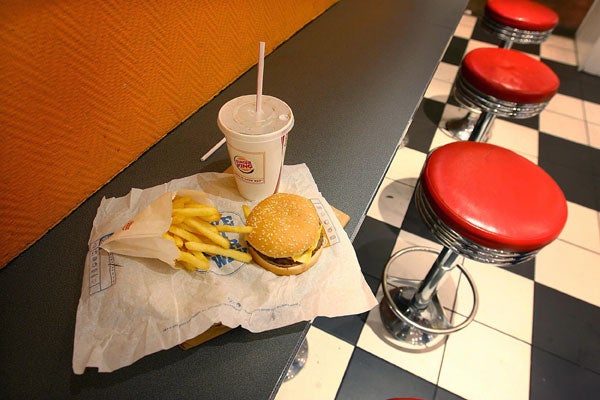
Supermarkets have sprung up too, offering working mothers the temptation of convenience foods high in salt, sugar and animal fat. As a result, says the author of the report, the FAO's senior economist Josef Schmidhuber, the famed diet has "decayed into a moribund state" in its home region.
The benefits of the Med diet are well established. A study in 2005 found that a healthy man of 60 who stuck closely to the diet – a high intake of vegetables, fruits and cereals. Lots of fish and not much meat or dairy – could expect to live around one year longer than a man who did not.
Other countries, including Britain, have adopted elements of the diet, such as increased consumption of olive oil and salads – although the advantages have been negated by lack of exercise.
The influence of the convenience food industry has gone around the Mediterranean basin, affecting North African countries as well as those in the EU.
In recent months, Spain, backed by Italy, Greece and Morocco, has been campaigning to have the diet included in Unesco's World Heritage list. Paolo de Castro, a former Italian Agriculture minister, said last month: "The Mediterranean diet is a heritage that should be protected and shared. Science has long recognised the unusual health properties of the diet, which has strengthened and accompanied the common cultural identity of Mediterranean countries.
"The diet is an integral part of the historical and cultural identity of the Mediterranean, and an opportunity for growth for the countries in the area."
The full proposal by the four countries to have the diet included in Unesco's register of intangible patrimony – which also includes vanishing languages and traditions – is due to be handed over to in the next fortnight, and a decision is expected by next year.
Now the sponsors of the proposal can add "endangered" to the list of reasons why the UN should resolve to defend the diet.
Weight league: Europe's top 10
Greece: 75.6% overweight, 26.2% obese
Finland: 63.8% overweight, 18% obese
Germany: 63.7% overweight, 19.7% obese
Britain: 62.5% overweight, 18.7% obese
Austria: 59% overweight, 14.8% obese
Spain: 55.7% overweight, 15.6% obese
Portugal: 55.5% overweight, 13.1% obese
Italy: 51.9% overweight, 12.2% obese
Denmark: 50.7% overweight; 9.6% obese
Ireland: 50% overweight; 9.5% obese
Source: WHO Global InfoBase
Subscribe to Independent Premium to bookmark this article
Want to bookmark your favourite articles and stories to read or reference later? Start your Independent Premium subscription today.
Join our commenting forum
Join thought-provoking conversations, follow other Independent readers and see their replies