SSRIs: When anti-depressants go wrong
Rebekah Beddoe was a young mum who went to her GP for help. A routine prescription for anti-depressants later and her life was spiralling out of control
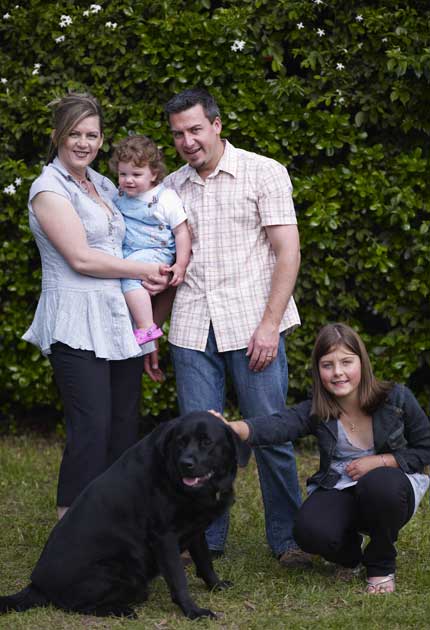
Lisa Cohen
Rebekah Beddoe: "One day, I was sitting with the other mums waiting for our group therapy to start. Suddenly, my heart began to pound. I thought I was having a heart attack."
"Results in two to five minutes," the instructions on the test read. Two lines, pregnant. One line, not. One pink line materialised in the control window, partnered very rapidly by another in the test window. I was pregnant.
Like many new mothers, I was not prepared for the emotional and physical toll of having a child, though few experience the excesses I had to endure. When I gave birth to Jemima in June 1999 I was wrongly diagnosed with post-natal depression and was immediately prescribed anti-depressants. Soon, my life had spiralled out of control. But while I ended up being treated for everything from anxiety to depression with a host of strong, prescription medicines, it is likely that all I was suffering from in the first place were the normal difficulties associated with coping with a fractious child.
But it was not until I managed to wean myself off the medication that I realised that the drugs were not a cure for the hell I was going through – they were the cause of it.
It was clear from the moment she was born that Jemima was going to be fractious. Not only was she a poor sleeper, but she was also irritable when awake. I needed practical support, but my mother was entrenched in her career and my husband's mother had passed away. With that in mind, I made an appointment with my GP to see if there was anything he could do to help us.
Initially, we thought the problem might be with the baby. But when that didn't yield results, the doctor's attention soon turned to me. I was handed a trial pack of a selective serotonin reuptake inhibitor (SSRI) called Lustral, which, he claimed, would boost my mood. While I didn't take him up on the offer, his advice stayed with me. On his recommendation, I headed over to the Mother and Baby Unit at my local hospital. Here, I knew there were people in the same boat as me, mothers struggling to cope with their new babies. I was assessed by a psychiatrist. He decided I should go on Lustral after all. And so it began.
One day, I was sitting with the other mums waiting for our group therapy to start. Suddenly, my heart began to pound. I thought I was having a heart attack. Terrified, I buzzed for a nurse and she brought me a brown paper bag to blow into. I was told it was a panic attack.
There followed a meeting with my psychiatrist. He assured me that depression and anxiety very often went hand in hand. My dosage of Lustral was increased and, by now, Valium was being thrown into the mix. What I know now (and didn't realise then) was that many of the side-effects of anti-depressants are the same as the symptoms of depression.
I have strange recollections of the period that followed. I blocked out a lot of what happened, and only really found out the full extent of what went on later when I had the chance to refer to my medical records. I was referred to Ashgrove Private Hospital, which deals with those suffering from extreme cases of post-natal depression. My condition worsened, and I was placed on stronger drugs, which included the tranquilising drug Xanax. I considered self-harm, and became a suicide risk. I was transferred to Fernview, a major psychiatric hospital close to my home in Melbourne, and before long I became incapable of making rational decisions. I was even given electro-shock therapy. I ended up on a complicated cocktail of drugs including Prozac, Xanax, Zyprexa (which is used to treat schizophrenia), Dutonin (another anti-depressant) and sleeping pills. I was later put on Lithium, and several tranquilisers.
The dangers surrounding anti-depressants – particularly SSRIs, which help prolong the effects of neurotransmitters that can lighten mood – are well-publicised. I now know that, in many people, such drugs can create problems, rather than alleviate them. Hundreds of High Court writs have been served against GlaxoSmithKline (GSK), the manufacturer of the anti-depressant Seroxat, since the medication was first prescribed in Britain in 1990. Since then it has been linked to some 50 suicides of adults and children. In 2002, BBC's Panorama programme "The Secrets of Seroxat" alleged that GSK covered up fears about Seroxat's safety, something the firm vehemently denies. It was this documentary that proved to be the turning point for me, even though I live many thousands of miles away.
I began to think, "What if all of my problems had come from the drugs?" and "What if they were the cause of it, rather than the cure?" I followed this questioning with research. By this point, I had reduced my Lithium intake and become dependent on another SSRI, Faverin. Everything seemed to point to the possibility that the drugs could have been making my situation worse. I realised that many of my symptoms may have been side-effects of the drugs.
Certainly, many of the ambiguities arise when doses are reduced. Dr David Healy, a psychologist at the University of Cardiff, explains that once you know what you're dealing with, it can be simple to distinguish between SSRI withdrawal symptoms and the problem the drug was prescribed for in the first place. If you stop taking the drug and the problems begin immediately, it is likely to be an effect of withdrawal; it is equally a giveaway if the feelings disappear when the patient is put back on the drug. The Panorama programme highlighted the fact that huge numbers of doctors are uninformed of the effects of SSRI withdrawal. Additionally, there are huge problems with the definition of "addiction". According to GSK, for a drug to be classified as addictive, it must create a need continually to increase the dosage in order to maintain the effect, and cause cravings on dosage reduction. But the Collins Dictionary of Medicine defines addiction as a condition where "the use of a drug has led to persistent changes in the way the body functions so that its absence causes physical symptoms – withdrawal symptoms". Based on the latter definition, who could deny that SSRIs can be addictive?
In the end, I took matters into my own hands. My solution was to buy a pill-cutter from my local pharmacy, and pare down my doses of Faverin by 6.25mg each fortnight. By January 2003, I felt so much better that I went to see one of the psychiatrists who had treated me early on. I wanted to clear my name and to convince myself and the world that I could now draw a line under what had happened. That doctor said he needed to assess me for 12 months, but by the end of that period gave me a full bill of health.
Meanwhile, Jemima's temperament evened out beautifully. She showed marked improvement at around five months when she could sit up on her own, then further improvement when, at nine months, she started to crawl. My theory is she was raring to go from the moment she was born and her persistent crying was an expression of her frustration at having such a mismatch between her physical capabilities and her mental will. We now have another daughter, born last year.
Since my book, Dying for a Cure, was published in 2007, it has become a large part of my life. I have responded to dozens of people who have been in a similar situation. It is really formulaic what happens when anti-depressants go wrong. It starts with panic attacks, then leads to insomnia, then goes on to self-harm, and eventually leads to suicidal inclinations and mood swings. People often get diagnosed with personality disorders. I tell my tale in the hope that others will recognise their story and I can help deliver some lives back to their rightful owners. To all those reading who are taking psychiatric medications, I urge you to think back: did the condition worsen after you began the drugs? They might just be to blame.
Interview by Rob Sharp
'Dying for a Cure' by Rebekah Beddoe is published by Hammersmith Press at £12.99
Bad medicine? The facts about SSRIs
* Selective serotonin reuptake inhibitors (SSRIs) are a type of anti-depressant used to treat depression, anxiety, and personality disorders.
* The common SSRIs are Zoloft, Lustral, Faverin, Effexor, Serlain, Prozac, Seroxat, Sepram, Aropax and many more.
* SSRIs work by acting on the neurotransmitter serotonin, a substance that helps nerves work. Serotonin makes us feel better when it is outside, rather than inside, our nerve cells. SSRIs stop serotonin, when it is released by our nerve cells, from being reabsorbed by them.
* Opinions on their effectiveness vary, but they are thought to be effective in between 50 and 70 per cent of cases.
* There are many potential side-effects, from headaches and drowsiness, appetite loss and disturbed sleep to anxiety, agitation and violence.
* SSRIs are not thought to be addictive. However, withdrawal symptoms can occur; and opinions differ on whether the drugs' side-effects can be confused with traditional anxiety and depression.
View all comments that have been posted about this article.
Offensive or abusive comments will be removed and your IP logged and may be used to prevent further submission. In submitting a comment to the site, you agree to be bound by the Independent Minds Terms of Service.
- Print Article
- Email Article
-
Click here for copyright permissions
Copyright 2009 Independent News and Media Limited


Comments
We put Lilly products in our babies they really need to clean up their act and quit with the white wash.
Eli Lilly Zyprexa can cause diabetes
I took Zyprexa a powerful Lilly schizophrenic drug for 4 years it was prescribed to me off-label for post traumatic stress disorder was ineffective costly and gave me diabetes.
This is a powerful drug that can damage a young person physiologically for life.
Please take with caution and learn as much as you can about side effects.
Eli Lilly's #1 cash cow Zyprexa drug sale $38 billion dollars so far,has a ten times greater risk of causing type 2 diabetes over the non-user of Zyprexa.
So,here we have a conflict of interest that this same company also is a big profiteer of diabetes treatment.
WARNING-
If a drug (Zyprexa) lists anything about the pancreas among the side effects, it probably means it can cause diabetes.
Unlike your liver, the pancreas does not regenerate itself. If it gets damaged, diabetes is very likely.
Zyprexa is glorified Thorazine at ten times the price
Daniel Haszard
Eventually he got to see the senior GP, who took one look at him and told him to stop it immediately and took a blood test and the results confirmed that his liver was in acute distress. He was perhaps two days away from total liver failure.
We were warned that it may never completely recover.
If this had happened in the US, we'd have sued. It's difficult to think clearly after having to stop Effexor like that.
The withdrawal side effects are dreadful when people cut the dose down slowly, but imagine how dreadful they are after having to suddenly stop taking it?
This is a bad, bad drug.
See the comments on the link below:
http://www.petitiononline.com/effexor/
It's withdrawal side effects are terrible.
When I quit Seroxat cold turkey I didn't realize the hell I was going to experience, I could not have fathomed how unbelievably awful I would feel, I had terrible withdrawal symptoms, sometimes so bad that I could not leave my bed for weeks on end, my body felt like it was extracting poison and my mind was in agony. I would say Seroxat is one of the most dangerous substances on the market today, if it was not a prescription drug it would most certainly be made illegal. It shocks me to know that Seroxat is still being prescribed, I would have thought that after all the controversy , documentaries and lawsuits about this drug , it would have been banned by now.
It is an absolute travesty that people are still being prescribed this addictive poison. My heart goes out to anyone who has to suffer from side effects of any SSRI medication, they are bad drugs and people deserve better treatment options for mental and emotional traumas, drugs are not the answer for most people and often they can exacerbate the original diagnosis and make the individual much worse off.
It is very difficult for a doctor to determine if one does or doesn't have a mental health condition when many of the symptoms of a temporary problem and an acute problem that needs medical attention are the same. There are deaths every year from accidental mixed medicine refills at pharmacies. People with high blood pressure accidentally being given a drug a diabetic would use. However, this problem occurs at the doctors with the patient. Please be careful! You are much more likely to have terrible, adverse effects to a drug you don't need!
It is important to know family history with respect to heart and other health conditions, THIS INCLUDES MENTAL ILLNESS. If you find yourself concerned, talk to relatives prior to going to the doctor. Mental illness often presents itself in other family members. Also, if any sudden or life changing events have happened within the past year, then what you're dealing with is difficulty adapting to change. Don't be lazy and go to your doctor looking for drugs, instead go to a counselor whom you can talk to about your concerns or issues, or a support group.
Even the safest of medicines can have disastrous results when prescribed without actual need. Or even with dire need. Mental illness runs deep on both sides of my family, needless to say I have enough family history to write a book! But despite that, I am still very sensitive to many meds. Drugs have caused me to become suicidal, obese, and even caused my circulatory system to leak! So why would I take all these risks? I've tried going cold turkey, for years even, and cannot function. Just like my parents, and all of my siblings, a little medicine makes the difference between truly living and just existing.
I cannot stress enough the importance of doctors and, even more importantly, patients from all walks of life educating themselves on safe medical practices. I stress patients because doctors in any given field are educated to try and solve problems medically, which usually means medicine. If you have concerns, talk to family and close friends, or visit a counselor. Going to a counselor is a great way to discover if you actually need chemical intervention for your emotional state. Often, after a few sessions, a good counselor will advise you seek psychiatric aid as well as their sessions if they are truly concerned. However these people are hit and miss as well.
Its becoming increasingly more difficult for those with legitimate mental health problems to obtain the medicines they may need because of the over prescription of psychiatric medications, which are ending up in the hands of students and drug addicts.
Help yourself and others by pausing to think before going to the doctors looking for medicine that will affect your mental state. Check to make sure this problem has been long going, is serious, and is affecting your ability to function day to day.
During this time I suffered from very painful aching joints, dreadful dreams, narcolepsy, and terribly constant anxiety. It was hard to tell, given all the side-effects, whether or not I remained depressed.
I stopped taking the medication.
Virtually all the symptoms stopped - overnight.
This is a terrible drug which should be banned as much as Thalidomide was.
I took Venlafaxine (Effexor) for six years. I was prescribed it at a high dose after I overdosed on insulin while taking Seroxat, which I now believe was caused by the Seroxat as I had never self-harmed before I took Seroxat.
Venlafaxine completely ruined my life. I suffered from a multitude of serious side effects including depression, suicidal thoughts, self harm, horrendous night sweats, vivid dreams, sexual side effects, exessive sleep (regularly over 12 hours) and fatigue which stopped me from working full-time and robbed me of my social life. I didn't realise these were all side effects as I thought I was depressed and also have Cystic Fibrosis so thought the tiredness was caused by that but upon stopping I realised they were all caused by the drug.
I had tried to stop Venlafaxine before but it had made me too depressed and so I assumed that I needed the drug but now I realise they were classic withdrawal symptoms and I was completely addicted to it. I came off the drug when I was in Australia (which was really not a good idea and totally ruined my trip) as one of my doctors told me that I might not need it there. When I came off it, it made me extremely anxious and I even suffered from mania - again classic withdrawal symptoms.
When I came home, I was then put on Citalopram which I stopped after two days as it made me feel so anxious and awful so was then put on Mirtazapine which caused me to be more depressed than I'd ever been in my whole life as well as giving me restless leg syndrome, severe insomnia (I was getting about one hour sleep a night) and severe agitation and rocking. I stopped the drug but again the withdrawal left me feeling horrendous and I was so ill I couldn't think straight. I was then put on Olanzapine (Zyprexa) even though I have diabetes and shouldn't have been on this and a high dose of Temazepam as well as Diazepam. (Battle Against Tranquillisers is a good site for learning about the side effects of these drugs http://www.bataid.org)
After all this I ended up in hospital and I know I would never had ended up there if I hadn't taken any of these drugs.
Even though I believed the drugs had caused me harm, I lost so much confidence and was so agitated that I believed I was ill and was prescribed Amitriptyline, Trazodone, Respiridone and Trimipramine as well as other sleeping tables all of which have caused me side effects.
After ten months, I managed to come of Diazepam - this is an incredibly dangerous and addictive drug and even when I cut down gradually I became depressed and aggressive. I am not sure if I am still suffering from withdrawal effects. I am now only taking Trifluoperazine.
It's hard for me to accept what these drugs have done to my life and even harder for me to get my life back on track. Depite having Cystic Fibrosis and diabetes, side-effects from psychiatric medications have made me much more ill than any of my exisiting conditions . My advice would be always read the side effects leaflets and do as much research about the drugs as possible.
Does anyone know any good websites where I can talk about these issues?
Thanks, L
I've had an untreated anxiety disorder most of my life. I spent a year in therapy before I figured out that I really did have irrational thoughts due to the anxiety which caused depression. I went on medication and my anxiety and social life slowly got better. I am on Effexor and it does the trick for me with side effects of some weight gain and some sexual dysfunction that has gotten better over time. Without SSRI's and Klonopin I'd probably be dead now. The decision to take antidepressants shouldn't be taken lightly and whoever decides to use them should pay close attention to their physical and mental symptoms during the first 2 months of treatment (maybe even keep a mood diary) to figure out if the drug is helping or hurting. Most of the time it will help. Sometimes it won't. In some rarer cases it will make things worse.
After my sister came home when filing for divorce in 1980 things were going her way. She was looking forward to a new start. Instead Suddenly..something went so very wrong.
My sister's sudden change in mood was due to a drug she took for just a mere short time.
She was given the drug for anxiety of the divorce. She was the one who wanted the divorce and was fine with it ..then toward the ending month to weeks of her life..before the end.
SOMETHING..HAPPENED TO HER!
I always knew there was more.
turns out..i found out just months ago..that the drug she was given caused suicidal ideation!
which she included me in on..several times before her death.
Then..not knowing the dangers of stopping. she stopped due to the side effects she did not like.
then soon she was in bed with the terrible flu. lost weight. could not eat drink etc..it was awful.
soon after..she shot herself in the head. Age 25. Gone.
who is held accountable? email me your thoughts! Lptpkp@aol.com
also looking for others who lost the same as my family did. will seek justice!
1960-1980's if you lost anyone to suicide send me your story.
The withdrawal has ruined me and my life. Im going through a protracted withdrawal and have been off the drug for nealry a year and still experience symptoms!
The changes these drugs make can take a long time to re adjust back to normal function
I was told withdrawal will only last a few days. Simply not true.
After a year, I told this to my psychiatrist and the idiot told me just to stop. My God, since then I have been to hell and back, the anxiety was horrendous and I am still, after 8 weeks suffering with it. I can't sleep but I am not giving up now and trying the weaning method. I mean to get these eveil drugs out of my system for once and for all even if it takes another 6 months.
My advice to anyone thinking of taking these drugs is to think very carefully before you do