Hair dyes found to increase cancer risk
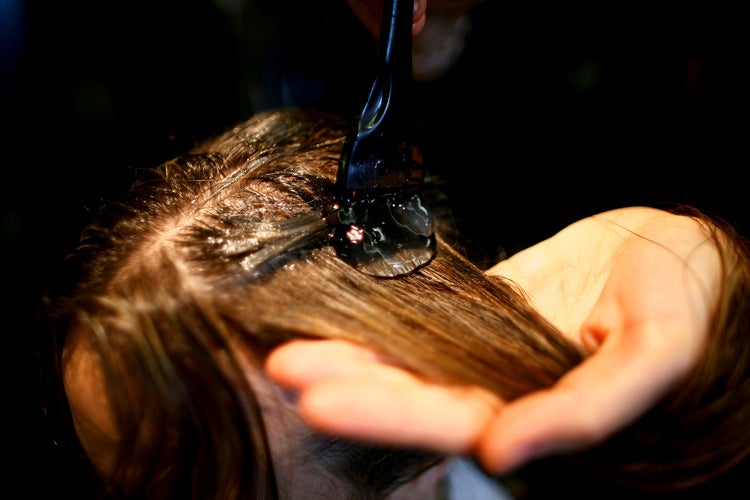
Hairdressers and barbers are at increased risk of developing cancer – because of their use of hair dyes. And the risks could extend to personal use of the dyes, according to international experts.
A review of the evidence by a panel of the International Agency for Research on Cancer (IARC) in Lyon, France, has found a “small but consistent risk of bladder cancer in male hairdressers and barbers".
A second review of the evidence on personal use of hair dyes found some studies suggesting a possible association with bladder cancer and with lymphoma and leukaemia.
But the panel found that the evidence was inadequate and concluded that personal use of hair dyes was “not classifiable as to its carcinogenicity to humans".
The panel was composed of 17 scientists who met last February to consider the latest evidence and update advice last issued by the agency in 1993.
Modern hair dyes are classified as permanent, semi permanent or temporary dyes. The permanent or oxidative hair dyes represent 80 per cent of the market and consist of colourless “intermediates” and couplers that, in the presence of peroxide, form the dyes by chemical reaction.
Dark hair dyes tend to contain the highest concentration of the colouring ingredients. The use of some such colourants was discontinued in the 1970s after positive cancer tests in rats.
Dr Robert Baan of the IARC and colleagues say in The Lancet Oncology: “A small but consistent risk of bladder cancer was reported in male hairdressers and barbers. Because of few supporting findings by duration or period of exposure, the working group considered these data as limited evidence of carcinogenicity and reaffirmed occupational exposures of haridressers and barbers as ‘probably carcinogenic to humans'.”
The full report will be published as Volume 99 of the IARC monographs.
Join our commenting forum
Join thought-provoking conversations, follow other Independent readers and see their replies
Comments