Millions at risk as main malaria drug loses potency
Resistance to artemesinin was first detected in Cambodia in 2009, but has now spread 800km west
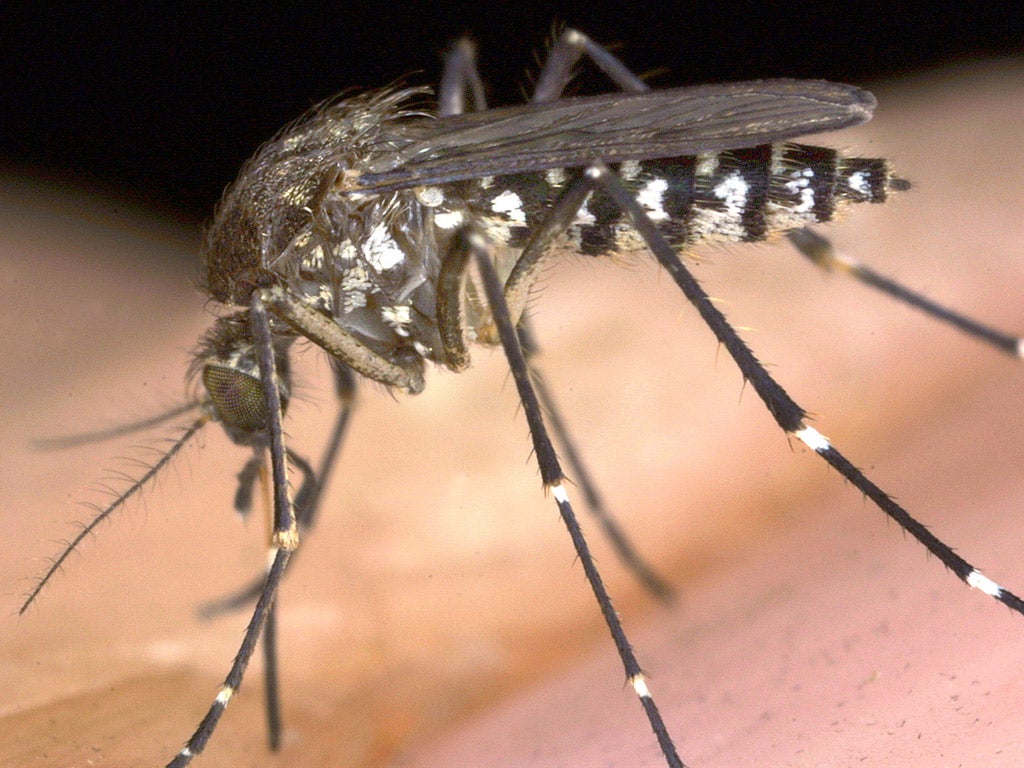
The world's most effective malaria drug is losing its power, threatening the lives of millions of people around the globe.
Tests on the border between Thailand and Burma show that the most deadly form of the malaria parasite has developed resistance to artemesinin, the gold standard treatment for the disease for more than a decade.
Experts described the development as "very worrying indeed" and warned the effects could be "devastating". Malaria claimed the lives of 655,000 people, mainly children, in 2010, according to the World Health Organisation, which warned that figure could rise "dramatically".
However, some estimates put the actual annual death toll at more than one million.
The development almost certainly puts the global strategy to end malaria deaths by the UN's target date of 2015 beyond reach. The world has been striving to eliminate the disease for 50 years and a huge global effort in the past five years, galvanised by the intervention of Bill Gates, has seen rates halved in many countries. Those gains are now in danger of being reversed.
Artemesinin has long been regarded as a miracle cure for malaria because it works so quickly, has few side-effects and, up to now, has been almost 100 per cent effective. Resistance to it was first detected in western Cambodia in 2009, but has now spread 800km to the west.
Efforts to contain the resistant parasites and wipe them out were made following the earlier discovery but the latest findings suggest it may have been too little, too late.
Experts are alarmed because, twice before, resistance to the then gold standard anti-malarial drugs – chloroquine and sulfadoxine-pyrimethamine – has started in the same region before spreading to South-east Asia and Africa, leading to the deaths of millions of children.
Chloroquine, once given routinely to anyone with symptoms of malaria, is now frequently ineffective against the disease.
The latest findings, published in The Lancet, come from the Shoklo Malaria Research Unit which has been monitoring the disease on the Thai-Burmese border for more than a decade. Studies in more than 3,000 patients show that artemesinin is taking a third longer to clear malaria parasites from the blood than it did in 2001 (from 2.6 to 3.7 hours) – a clear sign it is becoming less effective.
Professor François Nosten, director of the unit, said: "We have now seen the emergence of malaria resistant to our best drugs, and these resistant parasites are not confined to western Cambodia. This is very worrying indeed and suggests that we are in a race against time to control malaria in these regions before drug resistance worsens, develops and spreads further.
"The effect of that happening could be devastating. Malaria already kills hundreds of thousands of people a year. If our drugs become ineffective, this figure will rise dramatically."
Professor Nick White, chairman of the Worldwide Antimalarial Resistance Network, added: "Initially, we hoped we might prevent this serious problem spreading by trying to eliminate all Plasmodium falciparum [the most lethal malaria parasite] from western Cambodia. While this could still be beneficial, this new study suggests that containing the spread of resistance is going to be even more challenging."
The researchers said there was "compelling evidence" that genetic changes underlay the emergence of resistance, based on a separate analysis of the genetic make up of the parasites.
Artemesinin is derived from an ancient Chinese herbal remedy. It is usually given in combination with other medicines that last longer in the bloodstream.
The theory was that by using therapies in combination to strike at the parasite, the chance of resistance emerging was sharply reduced. Demand for artemesinin combination therapies (ACTs) is thought to have exceeded 250 million courses in 2011.
Anne-Catrin Uhlemann and David Fidock of Columbia university, New York, write in The Lancet: "Antimalarial control efforts are vitally dependent on artemesinin combination treatments.
"Should these regimens fail, no other drugs are ready for deployment, and drug development efforts are not expected to yield new antimalarials until the end of this decade."
Join our commenting forum
Join thought-provoking conversations, follow other Independent readers and see their replies
Comments