People born in spring are 'more likely' to become anorexic
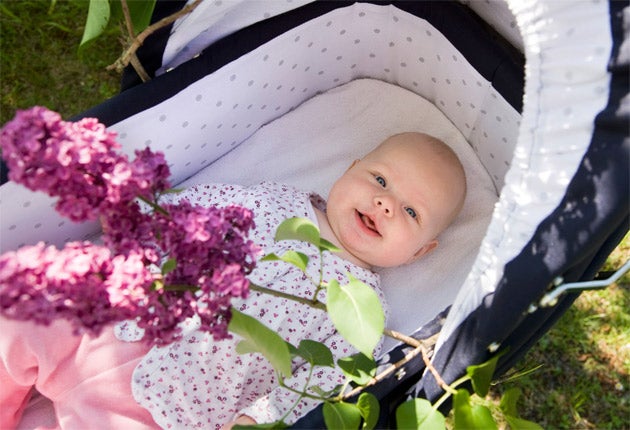
The trees are in bud, the hedgerows full of blossom and lambs are gambolling in the fields – but spring may be the worst time for human babies to be born.
The first large-scale study of the link between anorexia and the season of birth has found that spring babies are significantly more likely to develop the eating disorder. The findings, published in The British Journal of Psychiatry, will refocus attention on the season of birth, which, research shows, influences a range of psychiatric and neurological features.
A growing body of evidence suggests that schizophrenia, bipolar disorder, major depression and suicide are all more common among people who were born during springtime.
Environmental factors around the time of conception and during the first three months of pregnancy are considered the likely cause, but it is not known which ones are responsible.
Researchers from Oxford University compared the birth dates of almost 1,300 anorexic patients with the distribution of birth dates in the general population and found "clear evidence" of a season-of-birth effect for anorexia. Babies born during the period from March to June were 15 per cent more likely to develop the disorder, the researchers found. In contrast, babies born in the autumn, from September to October, were 20 per cent less likely to become anorexic.
Lahiru Handunnetthi of the Wellcome Trust Centre for Human Genetics, who led the research, said a number of factors – including what the baby's mother ate during pregnancy, the infections she was exposed to, the role of climate, temperature and rainfall and levels of vitamin D from the sun – could all be significant. He said: "During the last trimester of pregnancy, neuronal development takes place, so it may be that maternal nutrition has an impact on the development of psychiatric and neurological disorders. We get different seasonal foods – less fresh vegetables in winter, for example – and people eat different types of food."
Infections such as colds and flu are more common in winter. Flu has in the past been linked with an increased risk of schizophrenia but the connection has not been confirmed.
One of the strongest candidates as a cause of the increased risk of anorexia is vitamin D, which is at its lowest level in the body from January to March, the last trimester for a spring baby.
Mr Handunnetthi said: "The vitamin D hypothesis has been gaining a lot of weight in other neurological diseases such as multiple sclerosis [known to be more common in countries that get less sun, such as Scotland].
"It might be that this is a common theme for psychiatric disorders and neurological conditions which we should look into. Vitamin D might be one of the leading factors making spring babies prone to anorexia. But this is still an association, and a lot of work needs to be done to establish whether it is a cause."
Vitamin D is created by the action of sunlight on the skin and levels in all British residents are at their lowest at this time of year, after the long winter. Short days and grey skies mean 60 per cent of the British population is deficient by the start of spring. In winter the only way of maintaining levels is by taking cod liver oil or supplements.
Join our commenting forum
Join thought-provoking conversations, follow other Independent readers and see their replies
Comments