Suicide claim win against NHS sets rights precedent
The South Essex trust should have been able to prevent the death of a psychiatric inpatient
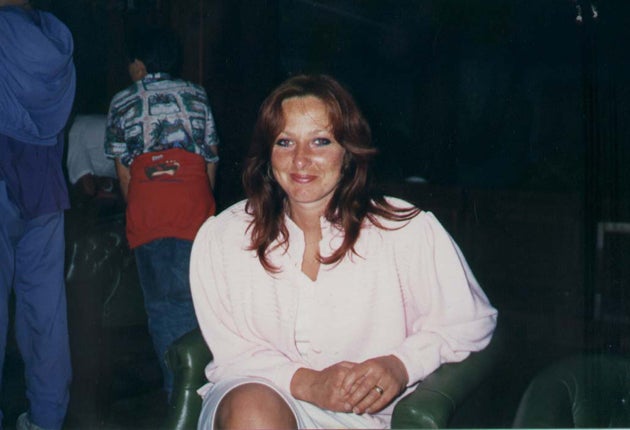
Carol Savage committed suicide by jumping in front of a train, a tragic end for a woman tortured by mental illness for more than 30 years. She was 49, and left two children trying to make sense of her violent death.
But her suicide could have been prevented. Mrs Savage had been a psychiatric inpatient for two months and 19 days. She had been sectioned for her own safety. But on 16 March 2004, she left Runwell Hospital, in Essex, unnoticed, walked two miles to Wickford station and stepped off the platform.
Last week, in a landmark case, the High Court ruled that the NHS trust had failed in its duty adequately to protect Mrs Savage's life under Article 2 of the European Convention on Human Rights. South Essex Partnership NHS Foundation Trust was ordered to pay her family £10,000 compensation for its failure to do enough to prevent her death. She had been tormented by voices and suicidal thoughts in hospital and had tried more than once to run away. This ruling means families can bring human rights claims if a health authority fails to protect patients whose freedom they have taken away.
Linda Butler, 62, said once she saw her sister's medical notes she knew they hadn't taken her seriously. "If they had listened, I'm sure she wouldn't have died. So I couldn't leave it alone, knowing that other patients had died before and after Carol. If this case saves just one person's life, then we would have achieved what we wanted."
Figures released by the Mental Health Act Commission show around 45,000 people are sectioned in England every year. Between 2005 and 2008, 205 detained patients committed suicide.
Mrs Savage became depressed after the birth of her baby, David, in 1978. Postnatal depression then evolved into debilitating bouts of paranoia, agitation and depression.
In the weeks preceding her death, she was constantly troubled by intrusive thoughts about impending danger to her daughter, Anna, or herself. She told health staff of her fears and that she wanted to die. When she was allowed home with her husband on their 31st wedding anniversary, her family never let her out of their sight.
Saimo Chahal, a partner at Bindmans, acting for Mrs Savage's daughter, said: "Carol Savage's death could have been avoided by doing basic things such as listening, carrying out a proper risk assessment, and by looking at her past medical records. This is not rocket science, but what mental health staff should be doing every day. The treatment was poor and inexcusable."
The lawyer said the case set a precedent that "will enable family members to seek answers to unanswered questions about the death of a detained patient, answers which are often not teased out at inquests".
Paul Farmer, the chief executive of Mind, said: "Families of detained patients must be able to trust that hospitals are doing everything in their power to care for and protect their loved ones. The Savage case means that, finally, if someone is detained, hospitals have an obligation to keep them safe."
In a statement, the trust extended its "deepest condolences" to the family, but as yet has not apologised in person. It is considering the judgment.
Anna Savage, 23, said last night: "This was, and always will be, the worst thing that ever happened to me. While I feel like I've got some justice for my mum, I'll never get over this; my dad is still devastated. We can't help but wish we'd never let her go into hospital."
Join our commenting forum
Join thought-provoking conversations, follow other Independent readers and see their replies
Comments