'Tick-box culture' threatens Britain's medical research
Bureaucracy is hampering ground-breaking studies, clinical experts warn
World-beating medical research and Britain's place as an international centre of excellence are being jeopardised by a crippling "tick-box culture" of bureaucracy, according to leading experts in the field.
Clinical research has declined dramatically since 2004, as researchers face a growing burden of forms, checks and multiple applications before even the simplest of patient studies is approved. The Association of Clinical Professors of Medicine (ACPM) warned yesterday that doctors are being deterred from getting involved in potentially life-saving research.
Senior medical researchers blame over-zealous interpretation of new regulations intended to improve patient safety. They say these have had the opposite effect and have called a crisis summit for next month to work out ways to cut the red tape.
Clinical research in the UK is carried out on sick and healthy volunteers. But health professionals need approval from several regulatory bodies as well as occupational health, ethical and criminal checks from the different hospitals involved. The process can take months and in some cases years. The Medicines and Healthcare products Regulatory Agency is accused of a heavy-handed approach but it insists the new rules have simplified the regulatory process.
Professor George Griffin, ACPM chairman, said: "Approval now takes such a long time it has become prohibitive. The huge delays are caused by bureaucracy, which has led to an enormous waste of time and money. People are getting so fed up that morale is very low. The frustrating thing is that this seems to be more about the UK's over-zealous interpretation of the rules, not the actual rules."
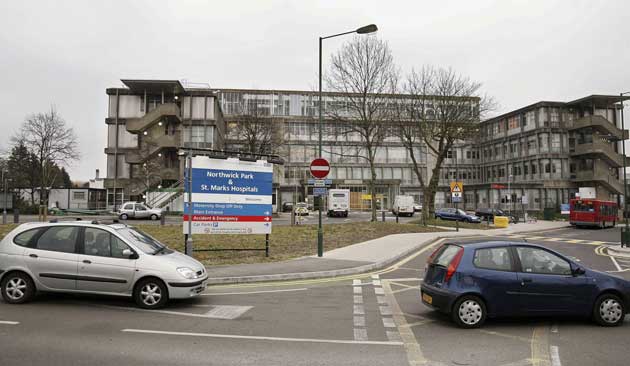
Experts claim the pointless delays mean seriously ill patients are missing out on new treatments. And they warn a second Northwick Park tragedy – where six healthy volunteers suffered severe reactions to a new anti-inflammatory drug tested at the hospital in north-west London in 2006 – is more likely because the new system has created a "tick-box culture devoid of common sense".
They claim that patient safety could also be threatened as pharmaceutical companies move drug trials to less tightly regulated countries.
Doctors say taxpayers' money and charitable donations are being wasted as researchers and administrators spend months filling forms and waiting for authorisation.
Morris Brown, professor of clinical pharmacology at the University of Cambridge, said: "Everything was done by the book at Northwick Park; all the boxes were ticked and all forms were present and correct, but nobody had the time or incentive to think out of the box and employ common sense. The position prior to 2004 was not perfect, but it was pretty good in the UK. The changes have not improved public safety but there has been a sharp decrease in the amount of non-commercial research in the UK. This has a direct detrimental affect on patients as they miss out on participating in trials and it delays medical progress.
"So instead of reaping what should be a golden period for clinical research because of the fantastic advances in science and generous increases in public and charitable funding, half my time is wasted completing forms for studies already in the pipeline rather than planning a host of new studies."
A Department of Health spokesperson said: "We recognise some hurdles for researchers setting up clinical research studies have increased because of changes in legislation over the last few years... This is why the Government has invested in ground-breaking measures such as national research networks and research passports since 2007."
Join our commenting forum
Join thought-provoking conversations, follow other Independent readers and see their replies
Comments