Malaria: a miracle in the making offers hope to millions worldwide
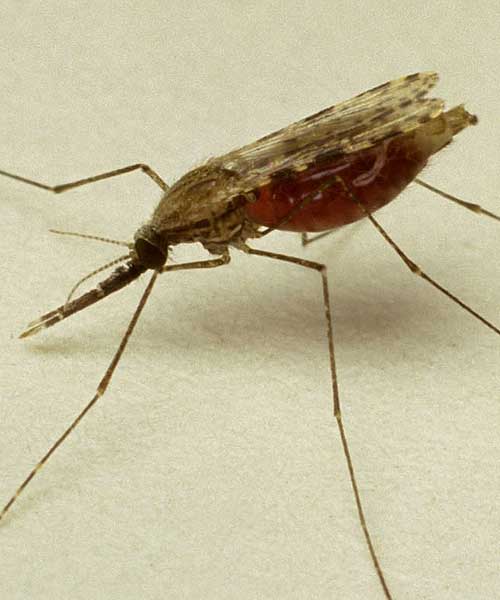
The lives of more than a million children who die each year from malaria could be saved by a new technique for making a drug based on an ancient Chinese herbal remedy first used more than 2,000 years ago.
Scientists said yesterday that the drug will be the first product of a new approach to making pharmaceuticals using "synthetic biology", where genetically engineered microbes with implanted artificial chromosomes, or gene "cassettes", are grown in giant fermenting vats.
The plan is to be able to make enough quantities of the drug in a single fermenter, or bioreactor, within two years to supply the needs of everyone in the world suffering from malaria – up to 500 million people – at a 10th of the cost of existing drugs.
The drug, artemisinin, is based on extracts from the Chinese plant Artemesia annua, or sweet wormwood, which is known to have been used in China as a remedy for malaria fever since at least the second century BC.
Artemisinin is already produced by laboriously extracting it from the dried leaves and flowers of the sweet wormwood, but at more than $2 (£1) for a course of treatment it is too expensive for the majority of people in the developing world who contract malaria from mosquito bites.
Between one and three million people die of malaria every year, 90 per cent of them children under five. The people who survive suffer bouts of severe pain and fever from what has been called one of the biggest sources of misery in the world.
The new way of producing artemisinin involves inserting about a dozen synthetic genes into yeast cells, which are then grown by fermenting them with sugar. The added gene cassettes control the biochemical reactions, or pathway, leading to a precursor chemical, artemisinic acid, which is then converted chemically into the final active ingredient, artemisinin.
By making artemisinin in living yeast cells it is possible to change its biological structure to keep ahead of any future artemisinin-resistant strains of malaria that develop.
Scientists hope that by producing a semi-synthetic form of artemisinin on an industrial scale using a single bioreactor as big as a three-storey town house, they will be able to bring down the price of treatment to less than 20 cents a course, making it the cheapest and most effective anti-malarial drug on the market.
Professor Jay Keasling of the University of California, Berkeley, said that the low price and widespread availability of the semi-synthetic drug will directly help millions of sufferers, as well as undermining the counterfeit market in artemisinin, which increases the risk of drug resistance as well as doing little to help malaria patients. "We want it to be affordable to people who need it, to be available to people who need it, and we don't want it to be abused," Professor Keasling said during a two-day conference on synthetic biology at the Royal Society in London.
"The process is very similar to brewing beer... but we're talking about turning on 12 genes simultaneously in the genetically engineered yeast cells and controlling their outputs to balance the metabolic pathway leading to artemisinin," said Professor Keasling. The research pioneered by the professor was funded with the help of a $42.6m research grant from the Bill and Melinda Gates Foundation and is being taken into industrial production with the help of the French company sanofi aventis, which will build a bioreactor in Europe by 2010.
The bioreactor will be between 50,000 and 100,000 litres in size and will produce continuous amounts of the drug in sufficient quantities to treat the 500 million people a year who develop malaria, he said.
Producing semi-synthetic artemisinin on an industrial scale will also undermine speculators who have hoarded stockpiles of the wild plant, raising prices fourfold, since artemisinin was endorsed as the most effective malaria treatment by the WHO in 2004. "We can drive down costs, hitting the market price at its launch and significantly reducing costs further over time," Professor Keasling said.
Taken with other anti-malarial drugs, treatment with artemisinin is said to be almost 100 per cent effective in blocking the life cycle of the malaria parasite within the human body.
Join our commenting forum
Join thought-provoking conversations, follow other Independent readers and see their replies
Comments