Charity shops boosted by recession – but we sell best stuff online
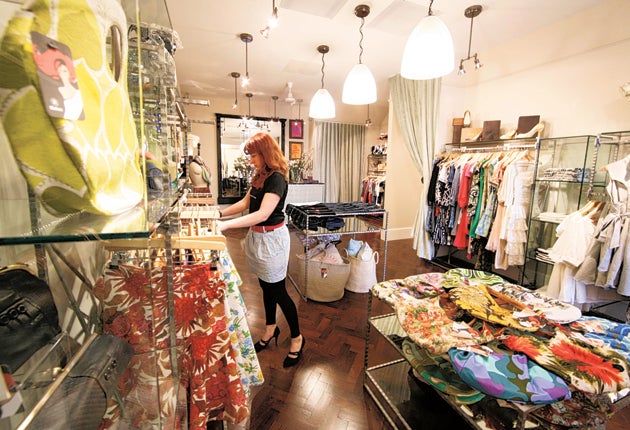
Charity shops have emerged as a beneficiary of the recession, as hard-up shoppers looking for bargains turn their backs on commercial retailers.
Profits in the country's charity outlets increased by 6.7 per cent last year, raising more than half a billion pounds for good causes.
However, charities are concerned about the quality and quantity of donated stock, complaining that cheap modern clothes do not last well enough and that increasing numbers of people are choosing to sell their unwanted items online or give them to family and friends instead.
A survey by Charity Finance magazine found that the downturn has boosted the supply of empty shops as commercial retailers close, allowing charities to expand the size of their networks. Rising unemployment has also led to an influx of people willing to work in the shops for low wages, while a new sense of thrift and environmentalism has encouraged more shoppers to scour them for bargains.
The overall number of charity shops increased to 5,375 during 2009, up from 5,235 at the beginning of the year. The British Heart Foundation (BHF), the second largest charity shop retailer by profit (at £22.2m), opened 47 new outlets during the year, the highest number of any organisation.
The BHF has been piloting a new type of charity superstore, selling items including furniture, electricals and white goods as well as the usual array of books, videos and music.
Charities are optimistic that this year will see the opening of even more shops, with two out of five charities who own more than 100 outlets planning to open more this year.
Sian Rees, fundraising manager at St Peter's Hospice in Bristol, told researchers that she expected business to continue to thrive. She said: "We are well placed to attract customers who are 'trading down' from mainstream retailers, and with the increase in VAT to 20 per cent we expect that more customers will follow this trend."
However, despite the boost to business, charity shop managers are worried about the quality and quantity of donated stock on which they rely. More than three quarters of charities questioned complained about a shortage and poor quality of donations, while a shortage of volunteers – the main concern two years ago – was a worry for seven out of 10 charities.
Iain Somerville, from the Prince & Princess of Wales Hospice in Glasgow, told researchers: "The traditional charity shop will struggle unless it branches out into other sources of income such as bought in goods. The quality of new clothes is diminishing with the result that they may not be fit for donation when the customer finishes with them."
Daniel Phelan, editor of Charity Finance, said: "Charity shops have made excellent progress despite the recession. They are a valuable method of raising funds for good causes as well as an excellent way of recycling items."
Join our commenting forum
Join thought-provoking conversations, follow other Independent readers and see their replies
Comments