Fact File: Lords Reform
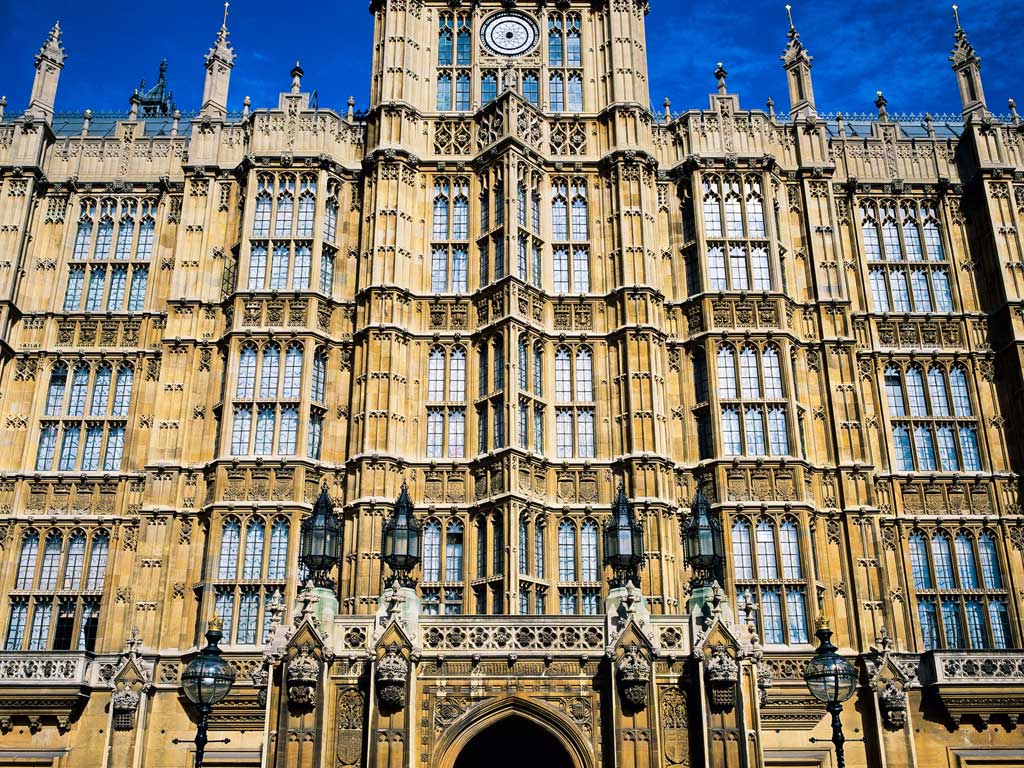
The UK’s century-long grapple with House of Lords reform might not have the drama of the Arab Spring or the glory of the American Revolution, but the slow pace of change does offer insight into a very British kind of democracy.
While some countries have an entirely elected upper house (the USA, Australia) or no upper house at all (Denmark, Scotland and New Zealand), the House of Lords selects its members based on a system dating back to feudal times.
There are around 800 members of the House of Lords, of whom 26 are “Lords Spiritual” or bishops appointed by the Church of England, 92 have inherited their right to sit in the house and the remainder are appointed by the Queen, on the recommendation of the Prime Minister or the House of Lords Appointments Commission.
Arguments are still made in support of appointment; it ensures the inclusion of special expertise in the legislative process and maintains the supremacy of the elected House of Commons. Since the beginning of the 20st century, however, support for a more democratic system has been steadily growing. In the 2005 and 2010 elections, all three main parties included Lords reform among their manifesto promises.
Since the Coalition came to power, Lords reform has been kept on the agenda by Deputy Prime Minister Nick Clegg, despite opposition from Tory backbenchers and peers from all parties. Clegg’s proposals include a House made up of 80 per cent elected peers and cutting the number of peers to 450. So has the time for reform finally arrived? Or is the battle just begun?
The Numbers
£484m – Estimated cost to taxpayer of scrapping hereditary peers, according to Labour peer and economist Lord Lipsey. Source: BBC News
26 – Number of ‘Lords Spiritual’ appointed by the Church of England. Source: churchofengland.org
£60,000 – Annual salary proposed for peers in Clegg’s draft reform bill.
£27,600 – Amount the Bishop of Chester claimed in attendance allowance for 97 days between October 2010 and November 2011. Source: The Independent
7,546 – Written and oral questions from the House of Lords to the government in 2010/2011. Source: parliament.uk
Further Reading
Real reform of the Lords means giving ownership back to the people, Guy Aitchison, The Independent, 2010
The Sketch: Salvoes on reform bring out lordly left’s conservative side, Simon Carr, The Independent, 2011
Lords reform is a fight that Nick Clegg will never win, Mary Ann Sieghart, The Independent 2012
House of Lords reform: Nick Clegg’s crazy plan is a pay day from has-beens and never-wozzers, Boris Johnson, The Telegraph, 2012
Lords reform is becoming a test of whether Ed Mililband can control his party, Rafael Behr, New Statesman, 2012
Timeline
1911 – The Liberal Government’s Parliament Act 1911 introduces the idea of Lords reform, by removing the House of Lords’ veto powers over money bills and giving the Commons the power to overrule the Lords veto of any other bill after three sessions. This is later reduced to two sessions by the Parliament Act 1949.
1917 – The Bryce Commission is set up to consider Lords reform, but the proposals are rejected by the Lords.
1958 – The Life Peerages Act creates a new class of peer without hereditary rights.
1999 – The House of Lords Act reduces the number of hereditary peers to 92.
2001 – Following on from a Royal Commission and the recommendations of the Wakeham Report, the Government undertakes a public consultation on Lords reform, but no consensus is reached.
2006 – The ‘Cash for Peerages’ affair, plus a series of legislative clashes between the Lords and the Government, puts reform back on the agenda. A Government white paper proposing reform is eventually vetoed by the Lords.
March 2010 – Justice Secretary Jack Straw promises voters that a future Labour government would make the Lords fully elected by throwing out the remaining 92 hereditary peers.
June 2010 – As the coalition settles into government, Deputy Prime Minister Nick Clegg promises to start work on creating an elected second chamber.
April 2012 – The parliamentary committee charged with looking into law reform reports back, saying the House should be 80 per cent elected and recommending a referendum
June 2012 – Nick Clegg publishes is House of Lords Reform bill with the backing of the Cabinet. Ed Milliband also agrees to support the bill. A Tory backbench rebellion looms.
Aug 2012 - David Cameron withdraws his support for Clegg's reform plans in the face of continued opposition from his party's backbenchers. Clegg responds by vowing to vote against Coalition policy in revenge.
Join our commenting forum
Join thought-provoking conversations, follow other Independent readers and see their replies
Comments
Bookmark popover
Removed from bookmarks