BBC's top stars paid £54 million
The BBC spends £54 million on its top-earning stars, according to figures out today.
The figure accounts for 1.55% of the £3.6 billion annual licence fee income and is paid to artists, presenters, musicians and other contributors earning £150,000 and more.
£115 million was spent on those earning up to £50,000, £44 million on those earning between £50,000 and £100,000 and £16 million on the £100,000 to £150,000 bracket.
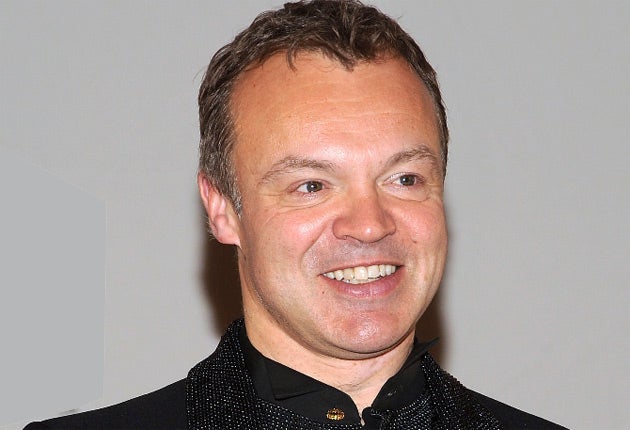
The BBC is not releasing details of individual salaries, but top-earners are reported to include Jonathan Ross, Graham Norton, Jeremy Paxman and Fiona Bruce.
The BBC, which came under fire for Ross's £6 million-a-year deal, pays presenters, actors and other talent on its TV and radio programmes a total of £229 million a year.
The amount being paid by the BBC, which also released the businesses expenses of 107 of its most senior staff today, will now be published every year in the annual report.
A total of £188,000 was claimed in overall expenses by 107 of the BBC's most senior staff between July and September 2009, a monthly average per executive of £586.
For the first time, the BBC also published a register of the gifts and hospitality received by senior managers.
Director-general Mark Thompson attended Glyndebourne, the Wimbledon Ladies Final, the Chelsea Flower Show and the Royal Box at Ascot with his wife last year.
He also attended the British Grand Prix with his son.
Mr Thompson, who earns £664,000 a year, has claims ranging from 57p for a parking meter to £5,616 spent through the BBC's central bookings system for a flight to Seoul.
Deputy director-general Mark Byford also attended Wimbledon but donated £120 to charity after he and his wife were invited to the Womad music festival by Peter Gabriel.
The expenses of Jana Bennett, director of BBC Vision, include £38.48 for a "sympathy gift for a key presenter" and £1,254 on six nights at Sunset Boulevard Hotel in Los Angeles for meetings with co-producers and studio heads.
She spent £2,392 on taxis through the BBC central bookings service and £106 through expenses.
Lunch with a presenter and agent cost £161.
Eric Huggers, director of future media and technology, spent £7,514.80 on a flight to Seoul last year.
He spent £4,984 on taxis between July and September. There were 13 fares that totalled more than £100 each. The biggest single fare was £627.37.
BBC creative director Alan Yentob's expenses included £317.19 hosting a dinner for 10 people.
Peter Johnston, director of BBC Northern Ireland, claimed £456.20 for staff entertainment on drinks for a table at the Sony Awards at the Grosvenor House Hotel.
Menna Richards, director of BBC Wales, claimed £435 for a taxi on one day.
A BBC spokeswoman said a freelance driver employed on an ad hoc basis for longer journeys is also categorised as a "taxi" on the central expenses system.
She said: "Such journeys would sometimes include other members of the BBC Wales board as well as the director and offer value for money in comparison with the cost of travelling by rail."
Roger Wright, controller of Radio 3 and director of BBC Proms, spent £1,459 on taxis, plus a further £1,599.83 on those which were centrally booked. Nine of these were over £100.
His claims also included £470.87 for lunch for Radio 3 presenters.
A post-concert supper following the first night of the Proms cost £655.20.
Andy Parfitt, controller of Radio 1, 1Xtra, Asian Network and BBC Switch, put in for £509.05 at the Sony Awards.
His hospitality included two tickets to the Mercury Prize and he spent £820 on internal hospitality on three monthly team briefings.
Director of audio and music Tim Davie's taxi fares during the quarter came to £1,300.77
Radio 4 controller Mark Damazer spent £290 on a thank-you event for six people.
BBC1 controller Jay Hunt took a taxi for £22 because she had heavy scripts and DVDs to carry into work.
Join our commenting forum
Join thought-provoking conversations, follow other Independent readers and see their replies
Comments