Six is the magic number: Why BBC 6 Music's reprieve is good news for listeners – and for the creative output of our best radio producers
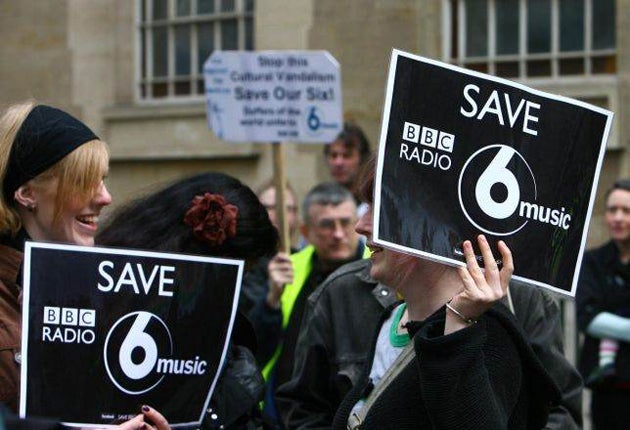
This week the BBC Trust gave a welcome reprieve to the digital station BBC 6 Music, stating that "the case has not been made" for closure. This was good news to me, and not just because I'm a 6 Music fan. My independent radio production company, Wise Buddah, works with the station, producing Huey Morgan's show and representing other key talent on the network including Steve Lamacq and Tom Ravenscroft, plus making programmes like Johnnie Walker's Sounds of the 70s for BBC Radio 2. 6 Music is a unique outlet for specialist music and talent, and a source of some 30 hours a week of independent commissioning that our creative sector can ill afford to lose.
Many listeners may not realise that some of the BBC's most popular and award-winning radio shows – plays, music, comedy and documentaries on everything from science to legal issues – are produced by an independent sector comprising around 150 creative companies, based all around the UK. As just one example, Fighting Talk, produced by World's End, is a hit show right in the heart of Radio Five Live's match-day schedule. Our sector punches above its weight: around 30 per cent of Sony Gold Awards, the industry's Oscars, go to indie productions. These accolades are not just for prerecorded programmes: this year's Gold Award for Best Live Event was won by Absolute Blur, produced by TBI Media for Absolute Radio and combining documentary with the live Blur concert in Hyde Park.
With financially challenged commercial broadcasters only able to do so much, it's vital for the BBC to ensure that the best that indie radio production can offer is commissioned for the entertainment and enjoyment of the licence-fee payer. Despite the examples of successful shows, the BBC sometimes appears reluctant to work with indies. The corporation's latest annual report shows that independent television commissioning by the BBC went up 3 per cent to 40 per cent of eligible hours (i.e. minus those hours taken up by news and various other exempt categories). But for radio, commissioning edged up only 0.5 per cent, to just over 14 per cent of eligible hours. Though difficult to calculate from published figures, it's likely that in terms of overall radio network hours, the BBC is still commissioning less than a tenth of its programming from independents.
Despite careful self-vetting of potential programme and format ideas, we still end up with a wasteful process whereby hundreds of programme suggestions are submitted by production companies for just a handful of slots in the schedule. There are even times when indie producers are discouraged from submitting so many pitches – an unusual way of making sure the best programmes get made for the listener. Meanwhile the BBC is happy to commission large in-house radio programmes and series without any real creative or commercial competition from outside.
The slots offered to independents, particularly on the music networks, are often outside of peak time, with the result that out of a reported BBC radio programme budget of several hundred million, only an estimated £18m is spent on indie productions.
Is this just a case of an industry sector complaining about not being given more of the licence fee? Actually no: this is about creative programme makers wanting to make full use their wide range of ideas and talent, to make more great shows for licence fee payers.
Britain is now home to one of the world's most creatively – and commercially – successful independent TV production sectors. We now need the BBC Trust, which is currently reviewing the BBC's radio network supply, to conclude that the same principle of creative competition should apply to radio.
With other leading radio indies from our trade association, the Radio Independents Group, I'm working to show the BBC Trust, and all those with an interest in the BBC and public service broadcasting, just what the indie sector could deliver if given the opportunity. The digital "revolution" has been good news for radio, with MP3 players, podcasts, the internet and mobile phones all providing new ways for people to listen. The 6 Music saga demonstrated that the BBC simply hadn't given the station enough publicity.
The big issue for the future is whether the BBC will be persuaded to fully embrace independent creative content makers who, together with the right balance of in-house producers, can power innovation and stimulate creative competition across all of its services.
Join our commenting forum
Join thought-provoking conversations, follow other Independent readers and see their replies
Comments