Epidemic fears see bird flu doctors halt research
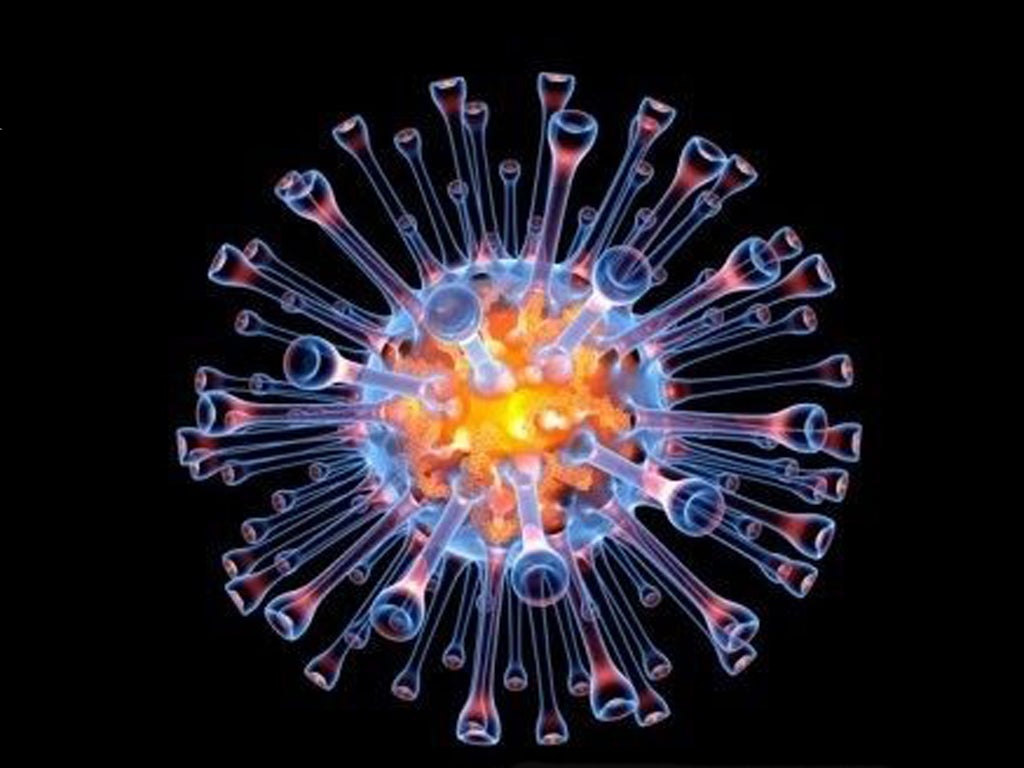
Influenza experts have agreed to a two-month voluntary ban on research into a highly dangerous strain of bird-flu virus because of fears that it may escape from their laboratories to cause a global human epidemic.
In a joint letter to the journals Science and Nature, 39 researchers from around the world emphasise that their laboratories are safe and secure but they nevertheless acknowledge that there is grave public concern about the accidental or deliberate release of an "airborne" strain of H5N1 avian influenza which could be transmitted easily between people.
"We realise that organisations and governments around the world need time to find the best solutions for opportunities and challenges that stem from the work. To provide time for these discussions, we have agreed on a voluntary pause of 60 days on any research involving highly pathogenic influenza H5N1 viruses leading to the generation of viruses that are more transmissible in mammals," the letter states.
Last month, the US Government announced that it had asked Science and Nature to withhold key details of two studies carried out in the US and the Netherlands where scientists mutated the H5N1 bird-flu strain into a form that could be transmitted easily between laboratory ferrets – the standard animal model for human influenza.
American officials were concerned that the open publication of the genetic mutations leading to an airborne strain of bird flu, which has killed about 60 per cent of the 600 or so people it is known to have infected, could be used by terrorists or a rogue state to unleash a devastating bio-weapon.
There were also concerns expressed by other experts that the laboratories where this research is conducted might not be secure enough to withstand a concerted terrorist attack. Some scientists also questioned whether there could eventually be an accidental release if the new mutated strain were made widely available among the approved influenza laboratories of the World Health Organisation.
The letter is signed by Ron Fouchier of Erasmus Medical Centre in Rotterdam and Yoshihiro Kawaoka of the University of Wisconsin-Madison who carried out the two independent studies leading to the mutated version of the H5N1 virus that can be passed between ferrets by airborne transmission.
"Despite the positive public health benefits these studies sought to provide, a perceived fear that the ferret-transmissible [bird flu] viruses may escape from the laboratories has generated intense public debate in the media on the benefits and potential harm of this type of research," the letter states.
"Whether the ferret-adapted influenza viruses have the ability to transmit from human to human cannot be tested. We recognise that we and the rest of the scientific community need to clearly explain the benefits of this important research and the measures taken to minimise its possible risks," it says.
The researchers said they intend to organise an international forum to discuss and debate the issues.
Join our commenting forum
Join thought-provoking conversations, follow other Independent readers and see their replies
Comments