Science refutes ministers' abortion claims
Survival rates for babies born before 24 weeks gestation remain 'as low as they were 11 years ago'
There has been no significant improvement in the survival of extremely premature babies born before 24 weeks' gestation in more than a decade.
The finding, from two studies conducted 11 years apart, provides the first definitive evidence contradicting Cabinet ministers' claims that the abortion limit should be lowered because "the science has moved on".
The research also spells out the risks for babies born extremely prematurely, providing a guide for doctors and parents in what has become a moral minefield, with disputes over whether a baby should be saved or allowed to die sometimes ending in the courts.
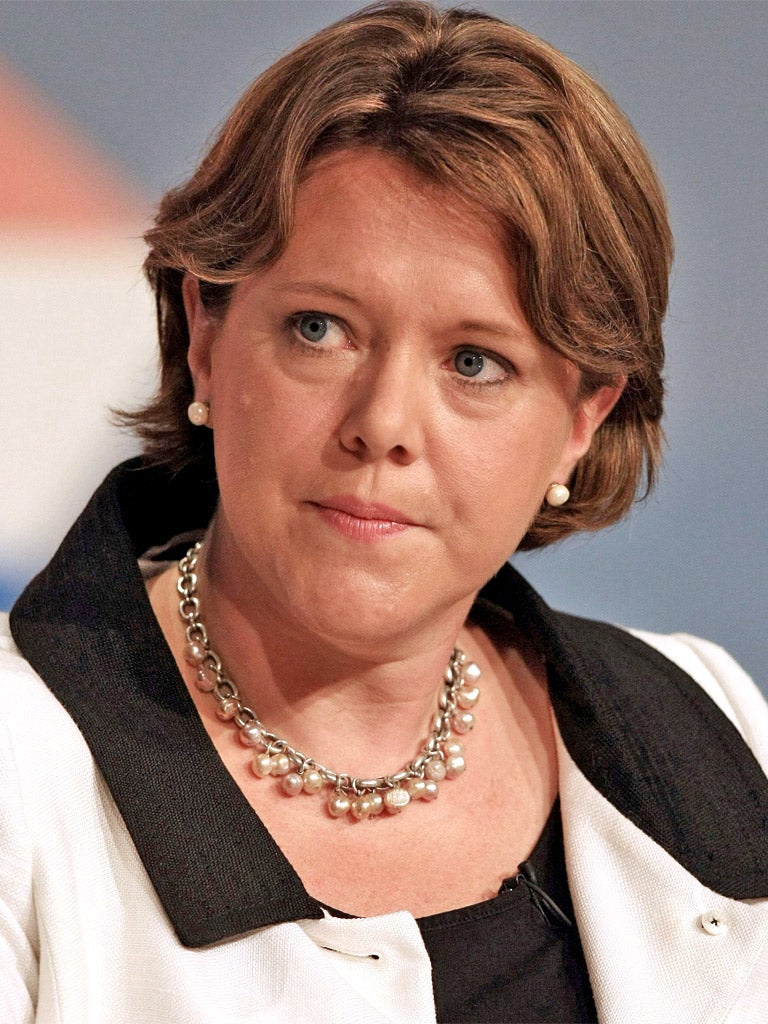
In October Maria Miller, Minister for Women, said the current 24-week limit for abortion should be lowered because babies were surviving at ever younger gestational ages.
She was backed by David Cameron and by Jeremy Hunt, the Health Secretary.
But today scientists publish the results from two studies that compare survival results for extremely premature babies born in 1995 with those born in 2006.
The results show that survival has improved for babies born at gestations above 24 weeks – but not below it. This suggests the threshold marks a natural limit for survival outside the womb.
But the researchers say it remains possible that future advances will improve survival below 24 weeks.
The argument over the limits of viability and the appropriate threshold for abortion are fraught.
Advances in neonatal medicine have increased the options for doctors and parents but because of the risks of death and disability have made it increasingly difficult for them to know what is the best thing to do. It is also a time of great stress when the mother has gone into labour unexpectedly early in her pregnancy and she and her partner have to face agonising decisions about whether to strive to save their baby or allow nature to take its course.
Neil Marlow, professor of neonatology at University College, London, who led both studies which are published online in the British Medical Journal, said: "Many of us are very worried about the outcomes.
"The burden of illness on the patients and their families is considerable. We try to take decisions in the best interests of the child."
Parents often elect to start treatment to save their baby but later withdraw it when it becomes clear that the outcome is likely to be poor. Between 70 and 80 per cent of deaths on the neonatal unit among extremely premature babies are the result of a decision to withdraw treatment.
In 1995, a quarter of the children born at 22 to 25 weeks who survived had severe disabilities (blind, deaf, unable to walk) and a quarter had moderate disabilities.
A decade later the severe-disability rate was the same (25 per cent) in those born at 22 and 23 weeks but had improved to 15 per cent in those born at 24 and 25 weeks. "The results were slightly improved but there is no room for complacency," Professor Marlow said.
Abortion: The Tory view
The issue of abortion has become a topic of debate in Conservative circles, with a number of senior figures going on the record with their thoughts about the current 24-week limit.
David Cameron, Prime Minister, 5 October
"I have personally voted for a modest reduction from the current limit of 24 weeks as I think there are some medical arguments for that."
Maria Miller, Minister for Women, 2 October
"What we are trying to do here is... reflect the way medical science has moved on."
Jeremy Hunt, Health Secretary, 5 October
"My own view is that 12 weeks is the right point for it."
Join our commenting forum
Join thought-provoking conversations, follow other Independent readers and see their replies
Comments
Bookmark popover
Removed from bookmarks