Why genes, not diet, may increase your chances of getting heart disease
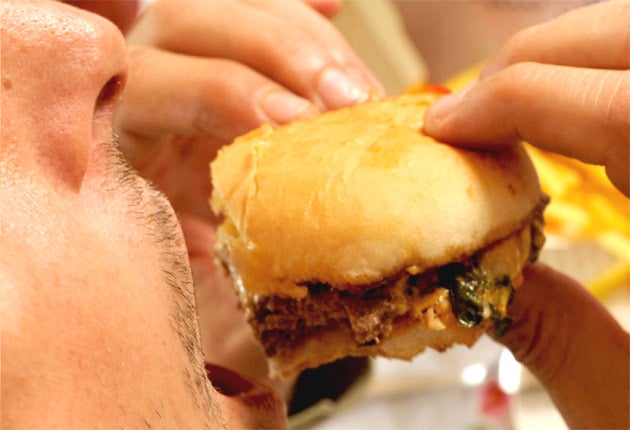
Scientists have achieved an important breakthrough in understanding why some people are born with a strong predisposition to heart disease while others appear to be able to eat fatty food with very little or no increased risk.
The findings could lead to new ways of treating people with naturally high cholesterol – strongly linked to an increased risk of heart disease, the biggest killer in Western countries – with drugs that are tailor-made to suit a person's particular genetic makeup – so-called "personalised medicine".
The study, which scanned the entire genomes of 100,000 people from around the world, identified 95 individual locations in their DNA where genetic differences from one person to another conferred a significantly increased risk of higher-than-normal levels of cholesterol in the bloodstream.
The scientists said that 59 of these genetic mutations were not previously known to them and that, taken together, all of these 95 variations in the DNA of people account for between a quarter and a third of the genetic component of heart disease – the genes that predispose someone at birth to cardiovascular disorders.
It has long been established that heart disease has a genetic component in addition to the well-known environmental influences of diet and lack of exercise, but until now there has been little that scientists could do to tease out the many different genes that are involved in raising the risk of developing cardiovascular problems.
The latest study, published in the journal Nature, has gone further than any previous research involving genome-wide scans by identifying the precise biological mechanism that causes one of these 95 mutations to affect cholesterol levels. The researchers believe the results vindicate the intensive efforts spent in recent years on this new approach of genome-wide scans.
"One of the criticisms of genome-wide association studies has been that they fail to identify specific genes that cause disease," said Professor Daniel Rader of the University of Pennsylvania School of Medicine in Philadelphia. "This is one of the first examples in which a spot on a chromosome identified by genome-wide association studies has been extended to pinpoint the causal gene and relevant physiology."
The genetic variant in question resides on a region of chromosome 1. It is carried by about 20 per cent of the population and results in a small but significant lowering of low-density lipoprotein (LDL), the "bad" cholesterol. Subsequent studies on laboratory mice showed that the genetic variant affects the activity of a gene on another part of the same chromosome called Sort1, which is involved in the production of LDL in the liver.
Such a precise identification of how a single genetic variation can affect cholesterol levels is the sort of advance that genome researchers have been hoping for because it demonstrates the possibility of using the technique to produce viable targets for the development of new drugs.
"The Sort1 pathway is an unexpected but promising new target for therapeutic intervention to reduce LDL cholesterol and, in turn, heart attacks," said Kiran Musunuru of Massachusetts General Hospital in Boston, one of the members of the research consortium involving scientists from 17 countries.
The painstaking comparison of the genomes of so many people has been made possible by the automated sequencing of DNA using "gene chips", which has made rapid progress since the first sequencing of the human genome 10 years ago.
"The new findings point us to specific genetic signposts that allow us to understand more fully why many people from all walks of life have abnormal levels of cholesterol and other blood lipids that lead to heart disease," said Christopher O'Donnell, associate director of a long-term research project in America known as the Framingham Heart Study.
"What's really exciting about this work is that we are moving from discovery to understanding brand new information about how genes alter the lipids that contribute to heart disease," Dr O'Donnell said.
Join our commenting forum
Join thought-provoking conversations, follow other Independent readers and see their replies
Comments
Bookmark popover
Removed from bookmarks