De Menezes officer cleared of deception
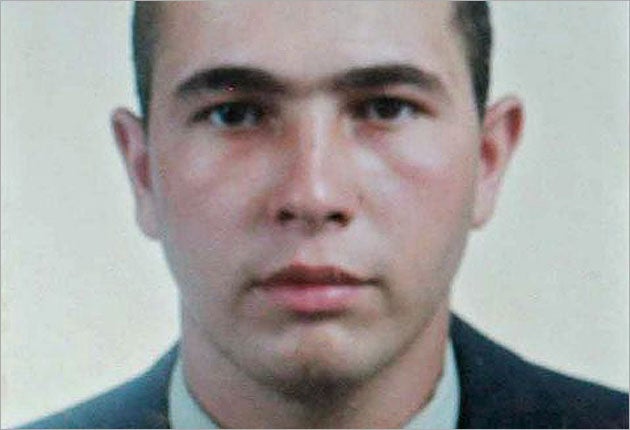
A senior police surveillance officer who admitted tampering with his evidence during the inquest into the death of Jean Charles de Menezes was cleared today by an official investigation.
The Special Branch Officer deleted text from his computer note before speaking to the inquest in October last year.
The Independent Police Complaints Commission said the officer, known as "Owen", had acted naively, but found no evidence of "deliberate deception".
The revelation prompted accusations of a "sickening cover-up" by family members of the Brazilian, who was shot dead at Stockwell Underground station on July 22, 2005.
The note referred to a comment from Deputy Assistant Commissioner Cressida Dick, who was in charge of the police operation on the day.
It referred to her as saying Mr de Menezes could "run on to Tube as not carrying anything".
"Owen" failed to refer to the note both when the IPCC began investigating the death in 2005 and during the 2007 health and safety trial, the IPCC found.
On October 7 last year, a week before he gave evidence to the inquest, he removed the line of text before handing the note to Metropolitan Police lawyers.
The police watchdog found Owen "acted alone" in failing to disclose the note and then deleting it.
Its report concluded the officer had shown a "lack of understanding" of how he should behave, but had not committed an offence.
It found: "There was no evidence of deliberate deception in this instance by the MPS as a whole or any individual within it."
The officer, a supervisor in the operations room at Scotland Yard, told the inquest he altered his version of events more than two weeks into the inquest because it was "misleading" and not "relevant".
The report found the officer's role on July 22 was "peripheral" and he had a "limited" understanding of what was being discussed.
IPCC deputy chairman Deborah Glass said the officer had been "consistent" in his explanation both to the inquest and to the IPCC over why he deleted the note.
She said: "Owen himself brought the existence of his note to public attention; there was little chance of his computer note, which had been on the system since 2005, coming to light otherwise.
"He has been consistent in his explanation, both to the inquest and to this investigation, that he deleted the reference to the 'management discussion' because it was inaccurate and misleading.
"Owen should have revealed the existence of the note when requested by the IPCC investigation in 2005, and subsequently disclosed it at the Health and Safety trial in 2007.
"That he did not do so showed a lack of understanding of what was required of him, but was not an offence.
"Although this lack of understanding needs to be addressed by additional training, it does in this instance provide an explanation for what occurred."
The full deleted line read: "CD - can run on to tube as not carrying anything. Persuaded by U/I (Unidentified) male amongst management."
The inquest heard that after retrieving his notes "Owen" said he "flicked through" them and saw there were a "few mistakes".
He told the court: "The other thing I have done is delete the line I had identified as wrong and misleading when I did the statement."
When asked why, he replied: "The detail changes do not materially affect the statement."
Ms Dick previously claimed she believed Mr de Menezes posed a "great threat" as officers pursued him.
Yasmin Khan, spokeswoman for the Justice4Jean campaign, accused the IPCC of failing to hold police officers to account.
She said: "It doesn't matter if you are a policeman fiddling notes after a shooting or a politician fiddling expenses on the sly, no one should be above the law.
"This latest decision is one of a long line of IPCC decisions which have led every police officer involved in the shooting of Jean Charles de Menezes off scot-free.
"This weak and woefully poor excuse of a watchdog must now be overhauled and replaced with a robust body that can actually hold police officers to account."