Afghan veterans more likely to suffer from mental illness
British frontline troops nine times more prone to psychological trauma
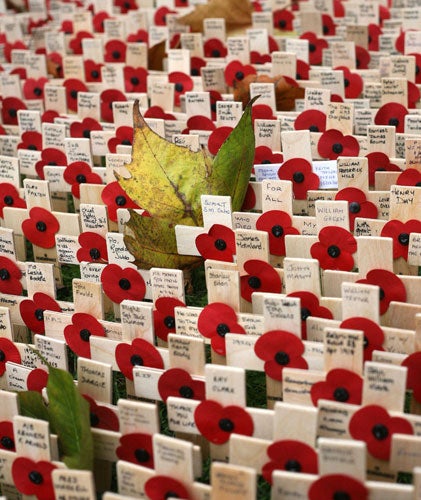
British forces who served in Afghanistan are nine times more likely to be suffering from post-traumatic stress disorder than comrades who have not been sent to war, a report from the Ministry of Defence shows. Iraq veterans are six and half times more likely to be affected by the condition than others who were not there.
The study found women in the armed forces suffer almost double the rate of psychological trauma than men, and other ranks are affected more than officers. Overall, nearly 4,000 new cases of mental health disorder were diagnosed last year and that figure, say officials, is expected to rise next year with service personnel now more willing to come forward to talk about their problems.
The study, by Defence Analytical Services and Advice (Dasa), also cautions that the statistics "do not cover the full picture of all mental disorders in the UK armed forces" because the support provided by the "strong culture of comradeship within the armed forces may have served to minimise the number and severity of symptoms experienced by some cases".
The MoD acknowledged that "there was a statistically significantly higher rate of PTSD among those deployed to Iraq and Afghanistan compared with those not deployed there". Women in the services had mental health disorder assessment at 8.2 per 1,000, double that of male personnel at four per 1,000, and other ranks were diagnosed at 4.9 per 1,000, more than two and half times that of officers at 1.8 per 1,000. Surgeon-Commander Neil Greenberg, senior lecturer in military psychiatry, said he believed that the differences probably related to factors they brought into the services such as social background.
Women comprise 18,100 out of the total strength of 195,100 in the armed forces and have been involved in increasingly important roles in Iraq and Afghanistan. Five British female soldiers have been killed in Iraq and Sgt Sarah Bryant, of the Intelligence Corps, was killed in Afghanistan five months ago while with the SAS.
The MoD stressed that major progress had been made in diagnosing mental problems and the Medical Assessment Programme (MAP) provided assessments for veterans deployed on operations since 1982. But Gary Williams, 39, who served in the 1991 Gulf War as a 22-year-old sapper, said: "I did go to see the MAP people a few years ago but I got nothing from it. The Gulf Veterans Association has been very good and fixed it for me to have psychological examinations which have been very helpful. The problem is that you have to fight the state every part of the way to get something like disability benefits and your military pension."
Mr Williams, from Weaverham, Cheshire, added: "We were told one in three of us would die. We were told to expect chemical and biological weapons and we used to look at each other and wonder who would make it home alive and who would go back in a coffin. And, of course, we had Scud attacks. I have been diagnosed with medical problems. I have aches and pains and dizzy spells. I can't go far without a stick and I have flashbacks, snapshots of the things that happened to us. It is not a good way to live."
Join our commenting forum
Join thought-provoking conversations, follow other Independent readers and see their replies
Comments