Baby sling company was warned about safety concerns
Revelation comes as mother sues company for $220m after death of her seven-day-old son
The company which produces baby slings implicated in the deaths of three children in the US was warned of the dangers the carriers posed nearly four years ago, The Independent on Sunday can reveal.
More than one million slings made by California-based Infantino – which now faces a multimillion-dollar lawsuit – were subject to a worldwide recall last week over fears that they pose a suffocation threat. More than 10,000 of the SlingRider baby carriers have been sold in the UK.
But last week, the US Consumer Product Safety Commission (CPSC) issued a safety warning as it investigates 14 deaths over the past 20 years, triggering a recall of all Infantino's SlingRider and Wendy Bellissimo models. Three of the deaths are being linked directly to the carriers. It is alleged a baby's nose and mouth can be blocked if pressed against the sling's fabric, causing suffocation within minutes. It is also feared that when a baby is cradled in a "C" position, causing the baby's head to flop forward, chin-to-chest, it can result in pinched airways and restrict breathing.
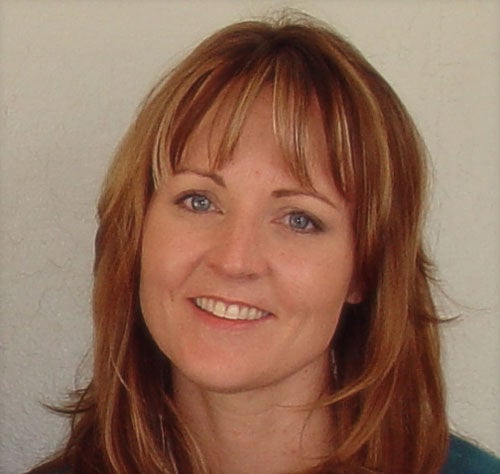
M'Liss Stelzer, a paediatric nurse from Santa Fe, New Mexico, told the IoS she had been testing hundreds of the slings since October 2006 following deaths linked to the carriers.
"Someone gave me a SlingRider – which looks like a purse or a duffel bag," Ms Stelzer said. "I could not figure out how to put a baby in it without getting them chin-to-chest and totally enveloped in fabric."
Ms Stelzer, measured the babies' oxygen levels while in the slings and discovered that their breathing would become faster and more laboured when placed in a SlingRider in an attempt to keep their oxygen levels up. "Alarmingly, the rate of breathing was 70 to a minute – normal is 40."
In a series of emails, seen by the IoS, Ms Stelzer alerted Infantino in 2006 to the SlingRider's design flaws, but she claims her concerns were ignored. In 2008 she spoke to the director of product development, who said he would send her an updated prototype based on her findings, but the prototype never arrived.
"I contacted the CPSC here. I had done the sling tests. I contacted Infantino – and honestly, I gave up," Ms Stelzer said. "No one seemed interested in what I had to say. It was very frustrating."
Slings have become fashionable with celebrities in recent years, presented as a natural way to carry a baby and hailed for helping to cement the bond between mother and child.
In 2008, the company did adapt the SlingRider to include a fabric mesh to ease breathing, but Ms Stelzer said this still did not address the chin-to-chest issue. Last May, Lisa Cochrane's seven-day-old son, Derrik, died in a SlingRider in Salem, Oregon. "I went to take him out of the sling and he was not breathing. He was a different colour and I started panicking and called 911. My fiancé tried to administer CPR," Ms Cochrane said. "When I got to the hospital, a lady told me they weren't able to save him." The death certificate cited "compression asphyxia/suffocation" as the cause.
Ms Cochrane is suing Infantino for $220m(£146m). "If the company had listened to M'Liss Stelzer in 2006 my son would be alive now, and I would be able to celebrate all the things mothers should be able to celebrate with their children."
An Infantino spokeswoman said: "We reiterate that all our products undergo rigorous testing procedures, including those by third parties, and would not sell any product that has not passed those tests and been proven safe."
Join our commenting forum
Join thought-provoking conversations, follow other Independent readers and see their replies
Comments