Made in Britain: The toxic tetraethyl lead used in fuel sold to world's poorest
Additive linked to violence now only made by one firm – based in Cheshire
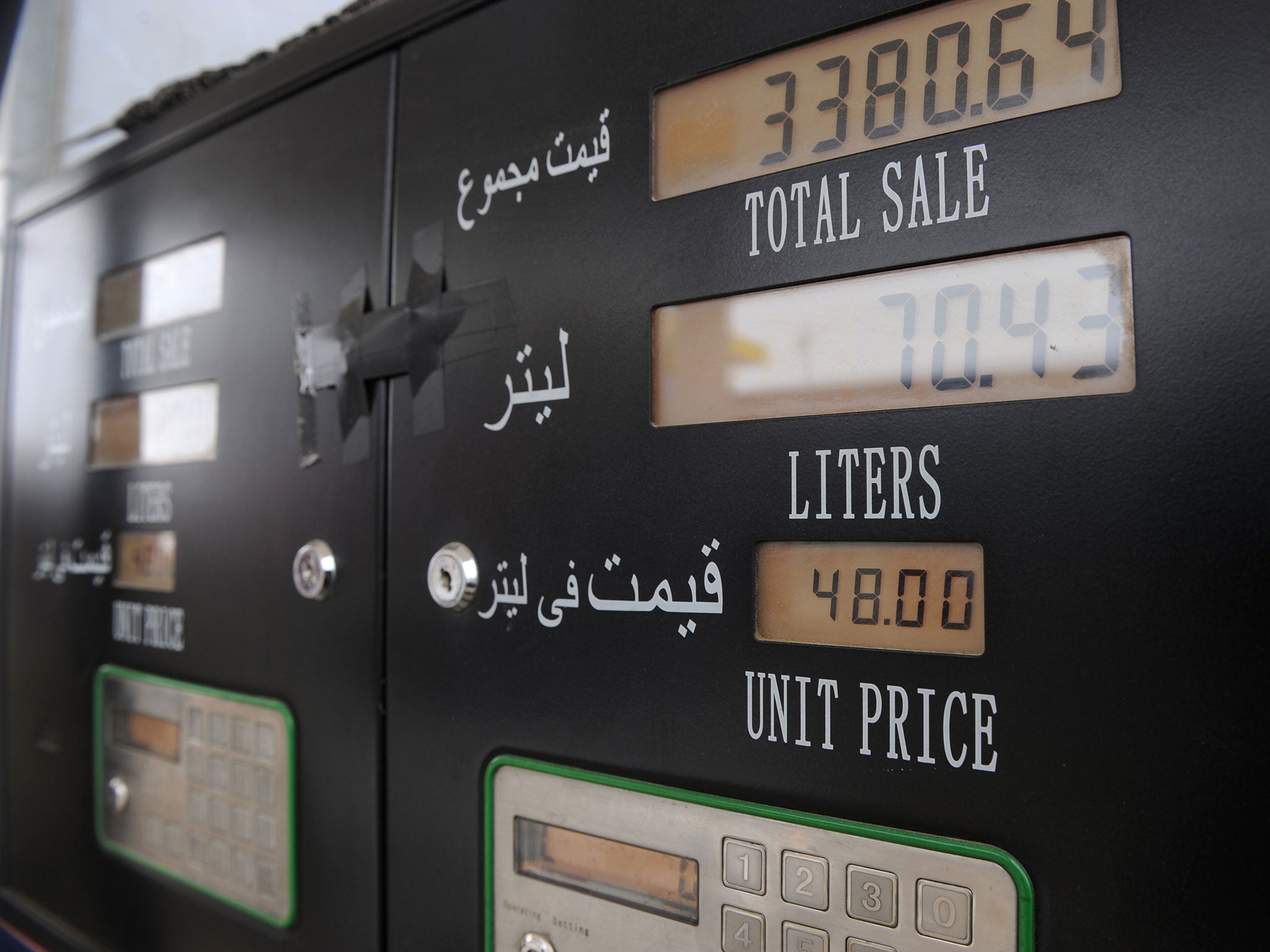
A British company convicted of bribing foreign officials to maintain sales of a poisonous lead fuel additive is continuing to sell the chemical abroad to unstable countries, despite mounting evidence that it is responsible for long- term damage to human health and may be linked to violent crime.
Environmental groups today called on the Government to ban Innospec Ltd, which claims to be the world's only producer of tetraethyl lead (TEL), from further exports of the substance. TEL is banned from use on Britain's roads but remains legal in six impoverished nations. The company, which is American owned but maintains much of its manufacturing in the UK, had intended to stop production and sales of TEL at the end of 2012 but has now set a new deadline of the end of this year to halt all dealings in the chemical, from which it has generated large profits.
It recently told shareholders it would seek to "maximise the cash flow" from its declining sales of TEL. The revelations come amid amid renewed focus on the long-term effects of lead pollution following scientific research suggesting an extraordinary correlation between environment between deposits of the heavy metal in the environment, due to leaded fuel and paint, and levels of violent crime in cities.
The US magazine Mother Jones this week highlighted studies which show an apparent link between the rise in leaded petrol use until the 1970s and a spike in violence, with a 20-year gap reflecting the time for children damaged by the metal – including negative effects on the nervous system and IQ – to reach adulthood.
A leading British scientist told The Independent that further research is now needed into whether the well-documented effects of lead exposure on the nervous system of children leads to violent behaviour.
Alastair Hay, professor of environmental toxicology at Leeds University, said: "These children tend to be more impulsive and find it more difficult to concentrate. What these studies are saying is that following exposure [to lead] in infancy the effect on the body seems to predispose, or is certainly strongly linked, with violent behaviour in adulthood."
The risks associated with leaded petrol have resulted in its phased removal from rich countries since the mid-1970s. Britain was one of the last to ban the fuel, with widespread sales of four-star finally stopping in 1999.
The United Nations Environment Programme (Unep) has conducted a 10-year campaign to eliminate leaded fuel from developing and second tier countries. According to the UN body, TEL-boosted petrol is now only used in Afghanistan, Algeria, Iraq, Burma, Yemen and North Korea.
Innospec, which according to legal documents seen by The Independent made millions of pounds of profit out of supplying TEL across the world from its plant in Ellesmere Port, Cheshire, confirmed that it continues to sell the chemical and provide supplies used in Yemen, Algeria and Iraq.
In a statement, the company said: "Innospec is still producing and selling TEL to a very limited number of countries for use in motor gasoline...The timing of the exit from the business is designed around the conversion of these countries to unleaded gasoline. We have openly indicated that we expected these conversions to take place over the past few years, but it seems that in some cases the introduction of unleaded fuel in these countries has been delayed."
Environmental campaigners said the situation of a British company exporting a chemical for a use that would be illegal in the UK was "outrageous". Craig Bennett, director of policy and campaigns for Friends of the Earth, said: "If the British Government has decided that for health and safety reasons this toxic chemical should not be used in the UK, why on earth does this company think it is OK to sell it abroad?
"The Government must look urgently at what can be done to end these exports. We want to feel proud of the way that British companies operate. This is a dire embarrassment."
Dr Doug Parr, chief scientist for Greenpeace, said: "There's a reason leaded petrol and paints are banned in the UK. Whether or not the apparent link with crime is proven, this is still a highly toxic element that does great damage to human health. It's bizarre that a UK company isn't allowed to sell it to British people but is left free to flog it to citizens of poorer countries."
Innospec, which is doing nothing illegal by producing and selling TEL and complies with all regulations including the notification of exports to the Health and Safety Executive, has an inglorious history when it comes to its efforts to bolster sales of the chemical.
Two years ago, the company pleaded guilty in the US and British courts to paying massive kickbacks to Iraqi and Indonesian officials to secure lucrative contracts supplying TEL between 2000 and 2008. Among the activities that the company admitted was bribing staff at the Iraqi Ministry of Oil in 2006 to ensure that a competing petrol additive that did not contain lead failed field trial tests.
The Independent asked the company if it had a response to peer-reviewed research carried out on behalf of the Unep on the global economic and health benefits of the removal of leaded fuel, which found it had avoided 1.2 million premature deaths per year and resulted in 58 million fewer crimes. In a written answer, Innospec said: "We have no comment to make."
Tetraethyl lead: a toxic history
The compound tetraethyl lead was first put into petrol in 1922 when American chemist Thomas Midgley discovered that it helped the fuel burn more slowly and smoothly.
As Innospec states, TEL was "designed to deliver superior engine performance and reduce engine maintenance. Engines can operate at higher compression ratios without knocking." It also remains a common ingredient in aviation fuel. for piston-engined aircraft.
However, lead has been known to be harmful to humans for thousands of years. Several workers adding the metal to gasoline in US factories during the early 1920s died, and at one stage Midgley himself took sick leave with lead poisoning.
Scientists were later able to devise ways of improving fuel quality without the use of TEL. It was the added realisation that leaded petrol could be linked to brain damage among inner-city children that saw fuel containing the additive begin to be banned around the world. It has also since been linked to schizophrenia.
Rob Hastings
Join our commenting forum
Join thought-provoking conversations, follow other Independent readers and see their replies
Comments