MI5 told all evidence in torture trials will be heard in public
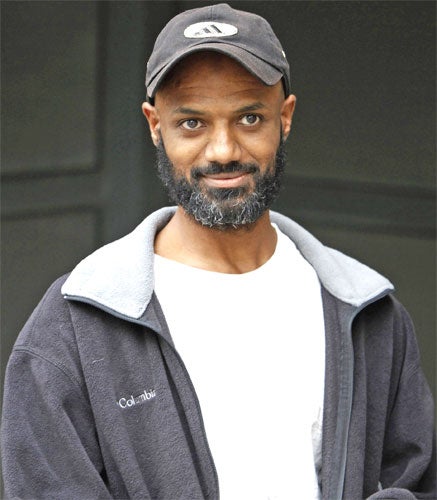
Six former detainees at Guantanamo Bay have won their legal battle to have their claims against the Government heard in public.
In a far-reaching judgment on the principle of open justice, the Court of Appeal yesterday overturned a previous ruling which would have allowed MI5 to use secret evidence to defend itself against claims it was complicit in unlawful detention and torture.
Last year, the High Court ruled that there was no reason in law why the court could not allow a "closed material procedure" to be used in a claim for damages.
This would mean that the Government and the secret services would not have to disclose information to the claimants' lawyers if they felt that doing so would damage the interests of national security, the UK's international relations, the detection and prevention of crime, or was likely to harm the public interest in some way.
It was proposed that any sensitive material would be disclosed to "special advocates" – barristers who had been given security vetting and clearance but who could not discuss the evidence with the six claimants.
But yesterday the Master of the Rolls, Lord Neuberger, said the court would "take a stand" against secrecy that the judges said would undermine the "most fundamental principles of common law".
The six detainees were arrested by the Americans and foreign security services after the 11 September attacks and then held at detention camps in Afghanistan, Morocco and Gambia before finally being transferred to the US naval base in Cuba.
Lawyers acting for the Government had argued that the men's claims for damages included allegations which touched on matters of national security, which meant the cases should be heard in secret. But Lord Neuberger, sitting with two other senior Court of
Appeal judges, said that no civil hearing could be heard in secret because the courts had not been empowered by Parliament to withhold evidence from the claimants.
Lord Neuberger said: "In our view, the principle that a litigant should be able to see and hear all the evidence which is seen and heard by a court determining his case is so fundamental, so embedded in the common law, that, in the absence of parliamentary authority, no judge should override it.
"Unlike principles such as open justice, or the right to disclosure of relevant documents, a litigant's right to know the case against him and to know the reasons why he has lost or won is fundamental to the notion of a fair trial."
The significance of the ruling was reinforced by a second Court of Appeal decision yesterday ordering the Government to reveal the gist of "sensitive" intelligence material about an immigration officer who had been suspended over alleged links to an airline bomb plot. Kashif Tariq, whose cousin was convicted of being involved in the plot, was suspended from his post as an immigration officer due to "national security concerns".
Speaking after the Guantanamo ruling, Clive Stafford Smith, director of the legal action charity Reprieve, who acted for Binyam Mohamed, one of the six former detainees in the US, said: "Perhaps the most dangerous legacy of the 'War on Terror' is a creeping secrecy that threatens to shutter the workings of British justice away with access limited to a privileged few.
"We applaud the Court of Appeal's excellent decision to keep our courts open, so that the British public may continue to see justice done in their name. It is crucial that our government accept this ruling, and stop hiding the mistakes of the 'War on Terror' years. We cannot learn from history unless we know what it is."
David Davis, the former shadow Home Secretary, said: "This ruling is one of the most fundamentally important we have had in the courts in recent times. It upholds the right to fair trial in which individuals can know the evidence against them and the basis upon which the Government treated them."
Kate Allen, the director of Amnesty International UK, said: "The ruling is a victory for transparency, accountability and the rule of law and an important step in achieving justice and redress for victims of torture. It's a major setback for the Government's attempts to throw a blanket of secrecy over wider allegations of complicity in human rights abuses."
Join our commenting forum
Join thought-provoking conversations, follow other Independent readers and see their replies
Comments